Small Tattoos in Lahore Under 2 Inches

Why Small Tattoos Are So Popular Right Now

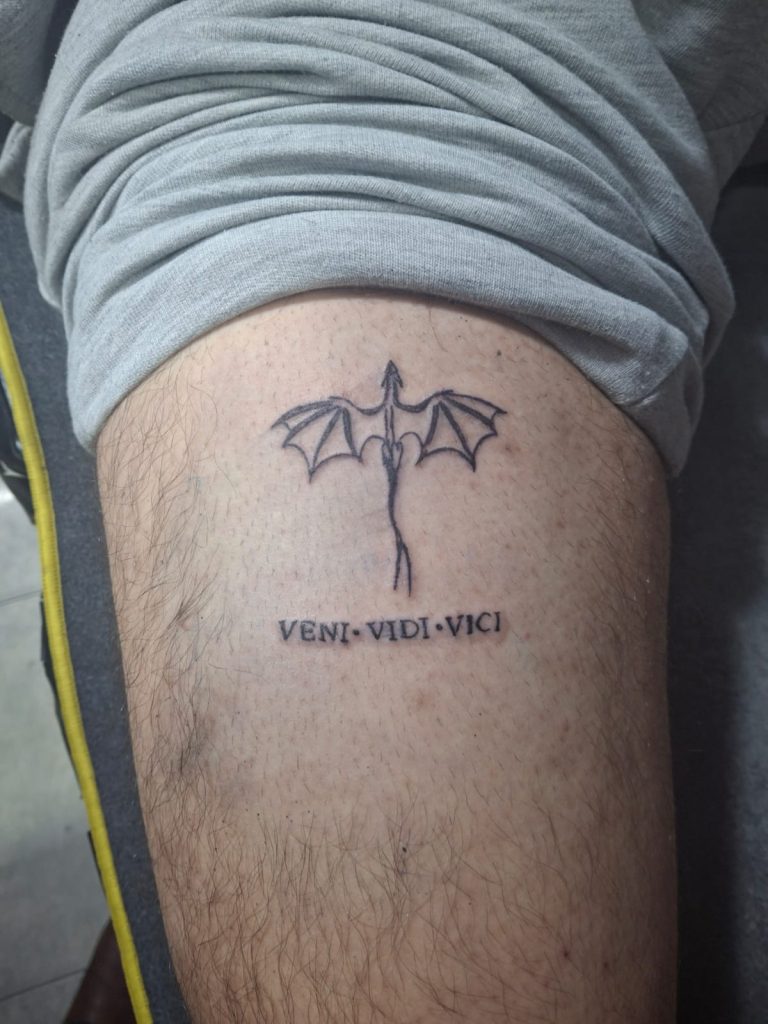
Small tattoos under two inches have become one of the most requested styles in recent years, appealing to first-timers and experienced collectors alike who want something subtle, personal, and easy to fit into daily life. Their appeal lies in versatility, since a small design can be easily hidden for work while still being meaningful and visible when you choose to show it. Lower cost and shorter session times also make small tattoos an accessible entry point for anyone curious about getting inked for the first time.

Best Design Styles for Tiny Tattoos

Fine line work, minimalist symbols, small script, and delicate botanical designs all translate beautifully at a small scale, since they rely on clean, simple linework rather than heavy detail that can blur together as the tattoo ages. Styles that depend on intricate shading or fine detail, like realism or heavily dotted work, often do not hold up as well at very small sizes and can lose clarity within a few years. Discussing scale honestly with your artist helps ensure the finished design stays crisp and legible over time.

Ideal Placements for Small Tattoos

Popular placements for small tattoos include the wrist, ankle, behind the ear, collarbone, and fingers, since these areas suit delicate designs and allow for easy visibility or concealment depending on your preference. Areas with thinner skin, like the wrist or fingers, may fade slightly faster than fleshier areas, so it is worth discussing long-term durability with your artist based on your chosen placement. Symmetry and balance matter even more at a small scale, so take time considering exactly where the design will sit before committing.

What to Expect During a Small Tattoo Session

Small tattoos are usually quick to complete, often finishing within thirty minutes to an hour depending on placement and detail level, making them an easy addition to a lunch break or a spontaneous studio visit. Because the design is small, your artist will pay close attention to precise linework and clean edges, since even minor mistakes are more noticeable at a smaller scale. Despite the shorter session, proper consultation and stencil placement remain just as important as they would be for a larger piece.

How Small Tattoos Age Over Time

Because small tattoos have less surface area, they can be more prone to blurring or fading over the years compared to larger designs with bolder linework. Choosing simple shapes, adequate line thickness, and avoiding overly intricate details all help a small tattoo age more gracefully over time. Regular sun protection and good skincare also play a bigger role in keeping small, delicate designs looking sharp for years to come.

Caring for a Small Tattoo During Healing

Even though small tattoos take less time to complete, they still require the same careful aftercare as larger pieces to heal properly and retain their crisp linework. Keep the area clean, apply a thin layer of recommended moisturiser, and avoid picking at any scabbing, since small designs can lose detail quickly if healing is disrupted. Following your artists aftercare instructions closely in the first two weeks makes a noticeable difference in how the final result looks once fully healed.

Choosing an Artist Who Specialises in Small Work

Not every artist has the same precision with small-scale designs, so it is worth looking specifically for portfolio examples of fine line or small tattoo work before booking. Ask to see healed photos of small tattoos the artist has done previously, since this shows how well their linework holds up over time rather than just how it looks fresh. A specialist in small, delicate tattoos will understand exactly how to balance detail and durability for a design that stays sharp for years.
Womens Tattoo Studio in Lahore – Privacy, Hygiene and Safety

Why Studio Environment Matters for Women Getting Tattooed

For many women, choosing where to get a tattoo is about more than just artistic skill, since comfort, privacy, and feeling safe throughout the process matter just as much as the final design. A studio that understands this creates an environment where clients feel respected rather than rushed, especially for first-time visitors who may feel nervous about the entire experience. Taking the time to research a studios reputation and atmosphere before booking can make a significant difference in how enjoyable the whole process feels.

The Benefits of Choosing a Female Tattoo Artist

Some women feel more comfortable working with a female tattoo artist, particularly for designs placed on sensitive areas like the ribs, chest, or thigh, since it can reduce any awkwardness during the session. A female artist may also better understand certain design requests, from delicate florals to meaningful script work, drawing on shared experience and perspective. That said, comfort ultimately comes down to the individual artists professionalism and communication style, regardless of gender, so meeting them beforehand is always worthwhile.

Privacy Considerations for Sensitive Placements

A good studio offers private rooms or curtained areas for tattoos placed in more sensitive locations, ensuring you are never exposed to other clients or staff unnecessarily during your session. Ask in advance whether private booths are available, especially if your design covers a large area or requires you to remove clothing for proper access. Studios that take privacy seriously will always explain their setup clearly before your appointment rather than leaving you to find out on the day.

Hygiene and Safety Standards to Look For

Hygiene should never be a question mark, and every reputable studio should be able to clearly explain their sterilisation process, use of single-use needles, and general cleanliness standards without hesitation. Look for visible signs of a clean workspace, properly stored equipment, and staff who wash hands and change gloves between steps of the process. If a studio seems evasive or defensive when asked about their safety practices, that alone is a strong reason to look elsewhere.

What a Comfortable Consultation Should Feel Like

A proper consultation should feel like an open conversation rather than a rushed transaction, giving you space to discuss your design, ask questions, and raise any concerns about placement or process. The artist should explain what to expect during the session, how long it will take, and what aftercare will involve, without making you feel pressured to book immediately. If you feel unheard or dismissed during a consultation, it is a good sign to consider other studios before committing.

Questions Women Should Feel Free to Ask

It is completely reasonable to ask about privacy setups, whether a chaperone or friend can stay in the room, and how the studio handles any discomfort during the session. Asking about the artists experience with your specific design style, and requesting to see healed examples of similar work, helps set realistic expectations. A confident, respectful studio will welcome every one of these questions rather than treating them as an inconvenience.

Building Trust With Your Tattoo Artist

Trust between a client and artist grows through clear communication, transparency about pricing and process, and consistent respect for personal boundaries throughout the relationship. Many women return to the same artist for multiple pieces once that trust is established, since a familiar, comfortable environment makes future sessions far less stressful. Taking the time to find a studio and artist who genuinely prioritise your comfort is always worth the extra research before booking.

Couple Tattoos in Lahore – Romantic Matching Tattoo Ideas

Why Couples Are Choosing Matching Tattoos

Couple tattoos have become a popular way for partners, best friends, or family members to celebrate a bond with something permanent and personal. Unlike jewellery or gifts, a shared tattoo is a symbol that cannot be lost or taken off, which is exactly why so many couples in Lahore are choosing this way to mark anniversaries, engagements, or simply a strong relationship. The appeal often lies in the shared experience of getting tattooed together as much as the design itself.

Popular Matching Tattoo Ideas for Couples

Some of the most requested couple tattoo ideas include complementary symbols that form a complete picture only when placed side by side, such as two halves of a heart, moon and sun designs, or matching coordinates marking a meaningful location. Other couples prefer identical small designs, like matching initials, simple line art, or a shared phrase split across both partners. The best designs usually carry personal meaning rather than following trends, since that meaning is what keeps the tattoo feeling special for years.

Choosing Designs That Age Well Together

When selecting a couple tattoo, it helps to pick something simple enough that it will still make sense and look good even if styles or relationships evolve over time. Overly literal designs, like a partners full name or face, tend to carry more risk than symbolic designs that represent the relationship without depending on it lasting forever. Discussing this openly with your artist can help you choose a design that feels meaningful now while ageing gracefully regardless of what the future holds.

Placement Ideas for Couple Tattoos

Popular placements for couple tattoos include the wrist, inner forearm, ribcage, or behind the ear, since these areas allow for easy visibility when you want to show the tattoo off, or easy concealment for more private moments. If you are choosing complementary designs meant to align when standing together, discuss the exact placement and sizing carefully with your artist beforehand so both pieces line up correctly. Symmetrical placement, such as both partners choosing the same wrist or ankle, often gives the cleanest, most intentional look.

Getting Tattooed Together: What to Expect

Booking a joint appointment means you can usually be tattooed side by side or back to back, turning the whole process into a shared experience rather than two separate visits. Many studios are happy to accommodate couples with adjacent tattoo stations, letting you support each other through the process, take photos together, and celebrate the moment as a pair. It is worth booking in advance, since joint appointments require coordinating two artists or extra chair time.

Making It Meaningful Without Being Matching

Not every couple wants identical tattoos, and complementary designs that are different but connected can feel just as meaningful. Some couples choose the same tattoo artist, the same day, or the same general theme, like nature or travel, while keeping each individual design unique to their own taste. This approach lets both partners express the shared bond without either person feeling like their tattoo was not truly their own choice.

Tips Before You Book as a Couple

Before booking, both partners should be equally comfortable with the decision, since a tattoo chosen under pressure rarely ages well emotionally, even if it looks good on skin. Bring reference images individually and together, discuss budget and placement honestly, and make sure the artist understands the story behind the design so they can advise on the best way to bring it to life. A good consultation will help you walk away with a couple tattoo you are both proud of for years to come.

How Much Does a Tattoo Cost in Lahore – Complete Price Guide

What Determines the Price of a Tattoo

Tattoo pricing is not a single fixed number, since cost depends on a combination of size, design complexity, placement, colour use, and the artists experience level. Instead of comparing a single flat rate across studios, it helps to understand the individual factors that go into a quote so you can budget realistically. Most reputable studios in Lahore price either per session, per design, or by size and detail level, and a proper consultation will always give you the clearest picture.

Small vs Large Tattoos: How Size Affects Cost

Generally, smaller tattoos cost less simply because they take less time to complete, while larger pieces covering the back, thigh, or full sleeve require multiple sessions and therefore add up in total price. Many studios set a minimum charge even for very small designs, since setup, sterilisation, and artist time apply regardless of size. If budget is a concern, discussing scaled-down versions of a design with your artist can help you get a similar look at a lower cost.

Black and Grey vs Colour Work Pricing

Black and grey tattoos are often more budget-friendly than coloured designs, since coloured work typically requires more ink, additional passes, and extra time to layer and blend shades evenly. Fine line and minimalist designs also tend to cost less than heavily shaded realism or detailed traditional styles, which demand significantly more hours in the chair. If you are working with a set budget, ask your artist which style options can achieve your desired look most efficiently.

Placement and Its Effect on Price

Placement affects pricing both because of the skill required and the time involved, since areas like ribs, hands, and feet are technically harder to tattoo and often take longer as a result. Curved or uneven areas of the body require more careful stencil work and adjustment during the session, which can also affect the final quote. Always ask upfront whether your chosen placement carries any additional charge before booking your appointment.

Artist Experience and Studio Reputation

More experienced artists with strong portfolios and specialised skills, such as realism or fine line work, typically charge more than newer artists, reflecting their training and demand. This does not mean cheaper always means lower quality, but it is worth remembering that a tattoo is permanent, and paying for genuine skill and hygiene standards is usually a better long-term investment than choosing the lowest quote available. Comparing portfolios alongside prices gives a much clearer picture of value than price alone.

Hidden Costs to Budget For

Beyond the base price of the tattoo itself, it is worth budgeting for touch-up sessions, which some studios include for free within a certain window while others charge a reduced rate. Aftercare products like recommended ointments or moisturisers are an additional cost that many first-time clients forget to factor in. If your design requires multiple sessions to complete, ask whether the studio offers any package pricing across sessions.

Getting an Accurate Quote Before You Book

Because so many factors affect the final price, the only reliable way to get an accurate quote is to book a consultation and discuss your specific design, size, and placement directly with the artist. Photos of reference designs, an idea of your budget, and flexibility on small design details all help the artist give you a realistic number upfront. A transparent studio will always explain exactly what is included in the quoted price before any ink touches your skin.

First Tattoo in Lahore – Complete Beginners Guide

What to Know Before Getting Your First Tattoo

Getting your first tattoo is a big decision, and a little preparation goes a long way toward making the experience enjoyable rather than stressful. Start by researching artists whose portfolios match the style you want, whether that is fine line, realism, traditional, or script work, since not every artist specialises in every style. Read reviews, check hygiene standards, and book a proper consultation before committing to a date, so you understand exactly what to expect from sizing to pricing.

Choosing a Design That Will Age Well

It is tempting to pick the first design that catches your eye, but a first tattoo is worth thinking through carefully since it will stay with you for life. Simple, well-proportioned designs with clean linework tend to age better on skin than overly intricate pieces packed with fine detail, especially for a first placement. Take time browsing reference images, discuss proportions with your artist, and consider how the design will look in ten or twenty years rather than only today.

How to Pick the Right Placement

Placement affects both how visible the tattoo will be and how much discomfort you will feel during the session. Areas with more muscle and fat, like the outer arm, thigh, or calf, are generally more comfortable for first-timers compared to bony areas like ribs, hands, or feet. Think about your lifestyle and workplace as well, since some placements are easy to cover for formal settings while others are always on display.

What Actually Happens During Your First Session

On the day of your appointment, the artist will clean the area, shave it if needed, and apply a stencil of the design so you can approve the exact placement before any ink touches your skin. Once you are happy with positioning, the tattooing begins, starting with outlining before moving to shading and colour if the design calls for it. Sessions can range from thirty minutes for a small piece to several hours for larger, more detailed work, with breaks offered as needed.

Managing Pain and Anxiety as a First-Timer

Some anxiety before a first tattoo is completely normal, and a good studio will help you feel comfortable by explaining each step as they go. Pain varies from person to person and depends heavily on placement, but most people describe it as a manageable scratching or vibrating sensation rather than unbearable pain. Eating beforehand, staying hydrated, and getting a good nights sleep can all make a noticeable difference in how comfortable your session feels.

Aftercare Basics for New Tattoo Owners

Once your first tattoo is done, following your artists aftercare instructions closely is essential for proper healing and long-term colour retention. Keep the area clean, apply a thin layer of recommended ointment or moisturiser, and avoid direct sun, swimming, and tight clothing while it heals over the following two to three weeks. Resist the temptation to show it off by touching it constantly, since clean hands and minimal contact heal a tattoo far faster than fussing over it.

Questions to Ask Your Artist Before Booking

Before you book your first session, it is worth asking about the studios sterilisation process, whether they use single-use needles, and how they handle any allergic reactions to ink. Ask to see healed examples of the artists previous work, not just fresh photos, since healed tattoos show how their linework and shading truly hold up over time. A confident, transparent artist will welcome these questions and use them as a chance to put a nervous first-timer at ease.

Tattoo Aftercare in Lahore Hot Weather – Complete Healing Guide

Why Aftercare Matters More in Lahores Climate

A fresh tattoo is essentially an open wound, and how you treat it in the first two to three weeks determines how sharp the linework stays and how vibrant the colours remain for years. Lahores combination of intense heat, high humidity, and dusty air makes healing more challenging than in cooler climates, since sweat and airborne particles can easily irritate new skin. Understanding how your environment affects healing helps you take the right precautions from day one, rather than learning the hard way through infection or faded ink.

The First 48 Hours After Getting Tattooed

Your artist will usually cover the fresh tattoo with a thin layer of ointment and a protective film or bandage before you leave the studio. Keep this covering on for the time your artist recommends, generally a few hours to overnight, and avoid touching the area with unwashed hands. Once you remove the covering, gently wash the tattoo with lukewarm water and a mild, fragrance-free soap, patting it dry with a clean paper towel rather than rubbing it with a cloth towel that could harbour bacteria.

Daily Cleaning and Moisturising Routine

For the next two to three weeks, wash the tattoo gently once or twice a day and apply a thin layer of recommended aftercare ointment or fragrance-free moisturiser. Over-applying ointment can trap moisture and bacteria underneath, so a light layer is always better than a thick coating. Lahores heat means you may sweat more than usual, so carrying a small travel-size moisturiser and clean tissues can help you manage the area comfortably throughout the day without over-washing it.

What to Avoid During Summer Healing

Avoid swimming pools, long baths, and open bodies of water until the tattoo has fully healed, as these environments carry bacteria that can cause infection in broken skin. Direct sun exposure should also be avoided completely during healing, since UV rays can fade new ink and cause painful burns on sensitive skin. Loose, breathable cotton clothing is strongly recommended over tight synthetic fabrics, which trap heat and sweat against the tattoo and can slow healing or cause rashes.

Common Healing Problems and How to Handle Them

Some redness, mild swelling, and light peeling are completely normal during the first week and are simply part of the healing process. However, if you notice increasing pain, spreading redness, pus, or a fever, these can be signs of infection and should be checked by a doctor promptly. Excessive scabbing or picking at the tattoo can pull out ink and leave patchy spots, so resist the urge to scratch even when the healing skin starts to itch.

Sun Protection and Long-Term Colour Care

Once your tattoo is fully healed, which usually takes two to four weeks depending on size and placement, sun protection becomes a long-term habit rather than a temporary precaution. Applying a broad-spectrum sunscreen whenever the tattoo is exposed to sunlight helps prevent the gradual fading that Lahores strong UV index can cause over time. Keeping skin well hydrated year-round also helps maintain the sharpness of linework, since dry or sun-damaged skin ages ink faster than well-cared-for skin.

When to Contact Your Tattoo Artist

A good studio will always be available to answer aftercare questions or look at photos if something seems off during healing. Rather than searching for advice online or guessing what a symptom means, reach out directly to the artist who did your tattoo, since they know exactly what technique and ink were used on your skin. Following professional aftercare guidance from the start is the simplest way to protect your investment and enjoy your new tattoo for years to come.

Cover Up Tattoo Specialist in Lahore – Fix Old Tattoos Professionally

What Is a Cover-Up Tattoo, and Who Needs One?

A cover-up tattoo is a new design created specifically to conceal, blend with, or completely transform an existing tattoo that no longer fits how you feel about your body or your story. Maybe it’s a name from an old relationship, a rushed design from your teenage years, or ink that has faded and blurred over time. Whatever the reason, a well-planned cover-up can turn something you want to forget into a piece of art you are proud to show off. In Lahore, more people are turning to skilled cover-up specialists rather than tattoo removal, since a creative redesign is usually faster, less painful, and far more affordable than laser sessions.

Common Reasons People Seek Tattoo Cover-Ups in Lahore

Clients come in for many different reasons. Some tattoos were done by inexperienced artists using poor technique, leaving uneven lines or patchy shading. Others simply outgrew a design that no longer represents who they are, such as an ex-partner’s name or a symbol tied to a difficult chapter of life. Sun exposure and Lahore’s intense summer heat can also cause older tattoos to fade or spread slightly under the skin, making the original artwork look tired or blurred. Whatever the story behind the tattoo, a professional consultation focuses on the future design rather than dwelling on the past ink.

How a Professional Cover-Up Consultation Works

Every good cover-up starts with an honest, in-person consultation. The artist examines the size, colour, and depth of the existing tattoo, checks the condition of the skin, and asks about your lifestyle and design preferences. From there, several sketch concepts are usually presented, each built around darker tones, bold linework, or larger scale artwork that can fully absorb the old design. Photos of the tattoo are often taken under different lighting to plan exactly how new ink will sit over the old pigment, so there are no surprises on the day of the session.

What Makes a Design Cover-Up Friendly

Not every design can hide an old tattoo effectively. Cover-ups typically rely on strategic use of black, deep colour saturation, and organic shapes like florals, mandalas, animals, or abstract linework that naturally break up the outline of the original piece. Geometric patterns and script tattoos are usually harder to cover cleanly because their straight lines can peek through, so an experienced artist will usually recommend adjusting placement or slightly enlarging the design to guarantee full coverage. This is exactly why cover-ups should only be attempted by a specialist who has handled this type of work before, rather than a general tattoo artist.

The Cover-Up Process: Step by Step

Once a design is approved, the session usually begins with a stencil placement so you can confirm positioning while it’s still easy to make adjustments. The artist then works in layers, starting with darker foundational shading before adding fine details and highlights. Depending on the size and complexity of the old tattoo, a cover-up may take one longer session or be split across two visits to allow the skin to rest. Numbing creams and breaks are offered when needed, and the studio should always use fresh needles and sterile equipment for every client.

Aftercare Tips for Your New Cover-Up

Because cover-ups often involve denser ink and more layers than a fresh tattoo, proper aftercare matters even more. Keep the area clean and lightly moisturised, avoid direct sunlight for several weeks, and steer clear of swimming pools or long baths until it has fully healed. Lahore’s heat and humidity can increase the risk of irritation, so wearing loose, breathable clothing over the tattoo during the first two weeks is strongly recommended. Following your artist’s specific aftercare instructions will help the colours stay vivid and ensure the old tattoo remains completely hidden underneath.

Why Choose an Experienced Cover-Up Artist in Lahore

Cover-up work is one of the most technically demanding skills in tattooing, requiring a strong understanding of colour theory, saturation, and design flow. Choosing a studio with a proven portfolio of successful cover-ups, transparent consultations, and strict hygiene standards makes all the difference between a design that truly disappears and one that still shows through. If you have an old tattoo you no longer love, book a consultation with a specialist who can walk you through realistic options and help you turn it into something new.

Vitiligo Tattoo Lahore | Vitiligo Repigmentation at Devil Art Studio

Custom tattoo work at Devil Art Studio, Lahore

Vitiligo is a skin condition that causes patches of skin to lose their natural pigment, resulting in lighter or white areas that contrast with the surrounding skin tone. For many people living with vitiligo, these patches can affect confidence, especially when they appear on visible areas like the hands, face, or arms. Vitiligo repigmentation tattooing is a specialized cosmetic tattoo technique that Devil Art Studio in Lahore offers to help even out this contrast using carefully matched pigment.

Unlike a decorative tattoo, vitiligo repigmentation is entirely about color matching. The artist’s job is to introduce pigment into the depigmented patch that blends convincingly with the client’s natural surrounding skin tone, so the affected area becomes far less visually distinct rather than standing out as a lighter patch.

This is one of the more technically demanding forms of cosmetic tattooing, since skin tone is rarely a single flat color. Natural skin has subtle variations, undertones, and texture that a flat pigment application would fail to replicate convincingly. Devil Art Studio’s approach to vitiligo work involves blending multiple pigment tones and building up color gradually to mimic this natural variation as closely as possible.

Not every vitiligo patch is equally suited to repigmentation tattooing. Areas with stable, well-defined patches that haven’t changed significantly in size for an extended period tend to respond best to this treatment. Vitiligo that is still actively spreading or changing can make it harder to achieve a lasting, consistent result, so Devil Art Studio discusses the stability and history of a client’s condition carefully during consultation.

Skin texture within vitiligo patches can sometimes differ slightly from surrounding pigmented skin, which is another factor the artist accounts for when planning treatment. This is part of why an initial consultation, ideally with clear photos taken in natural light, is an important first step before any pigment work begins.

Sun exposure and skin changes over time are practical realities that clients should understand going into this treatment. Skin tone can shift somewhat with seasonal sun exposure, which means repigmentation results may need occasional touch-ups to stay closely matched to the surrounding skin, particularly for clients whose natural skin tone changes noticeably between seasons.

Because vitiligo often affects visible areas like the hands, forearms, or face, many clients seeking this treatment are looking for a meaningful improvement in day-to-day confidence rather than a purely cosmetic upgrade. Devil Art Studio’s team approaches these consultations with sensitivity, understanding that vitiligo can carry significant emotional weight for many clients, especially when patches are in highly visible locations.

Treatment is typically carried out over multiple sessions rather than all at once. This staged approach allows the artist to check how the initial pigment settles into the skin, make adjustments to the tone or coverage, and build toward the most natural, even result rather than risking an uneven application in a single long session.

Aftercare instructions for vitiligo repigmentation are similar in some ways to standard tattoo aftercare but require extra attention to sun protection, since UV exposure can affect how the pigment ages compared to the client’s naturally pigmented skin nearby. Clients are given specific guidance on this during the healing period and beyond.

It’s worth setting realistic expectations from the outset: repigmentation tattooing is a cosmetic technique that addresses the visual contrast of vitiligo patches, not a medical treatment for the underlying condition itself. Devil Art Studio is always transparent about this distinction so clients understand exactly what the procedure can and cannot do.

If you’re in Lahore and living with vitiligo, and you’re interested in exploring repigmentation tattooing to reduce the contrast of specific patches, Devil Art Studio’s team can walk you through an honest assessment of your specific case. Reach out to book a private consultation and discuss whether this treatment could be a good fit for you.

Scar Cover Up Tattoo Lahore | Scar Camouflage Tattoos at Devil Art Studio

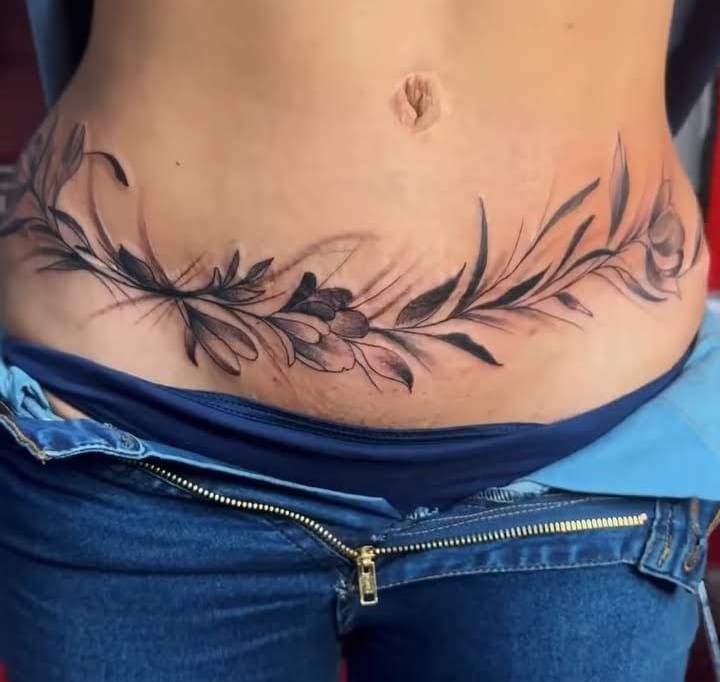
Stretch mark camouflage tattoo result on abdomen in Lahore

Scar camouflage tattooing is a specialized technique that uses pigment matched closely to a client’s natural skin tone to reduce the visibility of scars, rather than covering them with a decorative design. This is a different service from a traditional cover-up tattoo, and it’s one of the more precise, medically-adjacent procedures offered at Devil Art Studio in Lahore.

The goal of scar camouflage is subtlety. Instead of drawing attention to the area with a bold new design, the technique blends pigment into the scar tissue and surrounding skin so the scar becomes far less noticeable at a glance, particularly from a normal viewing distance in everyday lighting.

This approach works well for a wide range of scar types, including surgical scars from procedures like C-sections, stretch marks from pregnancy or rapid weight change, and scarring from past injuries or accidents. Each of these scar types behaves differently in terms of texture and how it absorbs pigment, so treatment is never approached with a one-size-fits-all method.

Skin tone matching is the most technically demanding part of scar camouflage work. Scar tissue often has a different texture and sometimes a different color than the surrounding skin, appearing lighter, pinker, or occasionally darker depending on the individual and the scar’s age. Devil Art Studio’s specialists blend custom pigment shades specifically for each client, often testing small areas before committing to the full treatment.

Stretch mark camouflage has become one of the more requested services within this category, especially among clients who developed stretch marks from pregnancy and want a way to soften their appearance without surgery. The pigment is applied along the stretch mark lines to help them blend into the surrounding skin tone, reducing the contrast that makes stretch marks visually noticeable.

C-section scar camouflage follows a similar principle, focusing on the horizontal scar line left after the procedure. Because this scar sits in an area that’s often exposed during swimwear or certain clothing, many clients seek this treatment specifically to feel more confident in situations where the scar would otherwise be visible.

Texture is a factor that pigment alone cannot fully address. Raised, pitted, or heavily textured scars may still show some physical texture even after camouflage work, since the technique addresses color rather than the physical shape of the scar. Devil Art Studio is upfront about this distinction during consultation, so clients understand realistically what camouflage tattooing can and cannot change.

Healing time and the number of sessions required depend heavily on the scar’s age, size, and how it responds to the initial pigment application. Older, more settled scars often respond differently than newer scar tissue, and Devil Art Studio typically recommends waiting until a scar has fully matured, generally at least a year old, before beginning camouflage work for the best long-term results.

Multiple sessions are often necessary to achieve the most natural, even blend, since pigment can settle unevenly on scar tissue during the first application. Follow-up sessions allow the specialist to assess how the color has healed and make refinements to improve the overall blend with surrounding skin.

Clients considering this service should bring clear photos of the scar in natural lighting when reaching out for an initial consultation, which helps the studio assess the scar’s texture, color, and age before scheduling an in-person appointment to discuss the treatment plan in detail.

If you’re in Lahore and dealing with a scar you’d like to camouflage, whether from surgery, stretch marks, or an old injury, Devil Art Studio’s team can walk you through a realistic assessment of what camouflage tattooing can achieve for your specific scar. Reach out to schedule a private consultation and start the conversation.

Areola Tattoo Lahore | 3D Areola Restoration at Devil Art Studio

3D areola tattoo restoration result in Lahore

Areola tattooing, sometimes called 3D areola restoration, is a specialized cosmetic tattoo procedure designed to recreate the natural appearance of the areola and nipple, most commonly for clients who have undergone breast reconstruction surgery following a mastectomy. This is one of the more delicate and medically-adjacent services offered at Devil Art Studio in Lahore, requiring a very different skill set than decorative tattoo work.

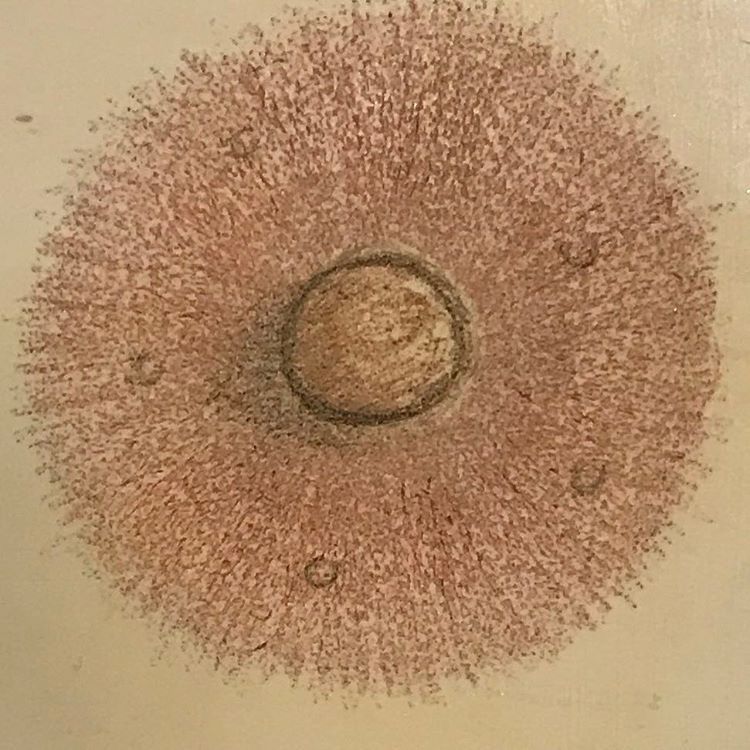
Unlike traditional tattoos, areola restoration is built around realism rather than artistic interpretation. The goal is to recreate natural coloring, subtle shading, and the three-dimensional appearance of a nipple and areola using pigment layering and shading techniques, so the final result blends naturally with the surrounding skin rather than looking like an obvious tattoo.

Color matching is one of the most important parts of this process. Every client’s skin tone and natural pigmentation differ, so the artist has to carefully blend custom pigment shades to match what looks natural for that individual, rather than applying a single standard color across every client. This often involves testing shades and making small adjustments before starting the actual procedure.

The 3D effect in areola tattooing comes from strategic shading rather than any raised or textured application. By using lighter and darker tones in specific patterns, a skilled artist can create the illusion of a raised nipple and natural areola texture on a flat surface, even when there’s no physical nipple projection remaining after reconstructive surgery.

Many clients seeking areola tattoos at Devil Art Studio are recovering from mastectomy and reconstruction, and for these clients, this procedure often represents an important final step in feeling whole again after a long and difficult medical journey. Devil Art Studio’s team approaches these sessions with sensitivity, understanding that this work carries emotional weight well beyond the technical tattooing itself.

Areola tattoos are also sometimes requested by clients addressing asymmetry, scarring, or pigmentation loss unrelated to mastectomy, including certain congenital conditions or the effects of previous surgeries. Each case is assessed individually, since the starting point for scarring, skin texture, and existing pigmentation varies significantly from client to client.

Consultation for this procedure typically involves a detailed discussion of medical history, the current condition of the skin, expectations for the final look, and photos for reference if the client wants to recreate a specific prior appearance. Because this is a more clinical procedure than standard tattoo work, this conversation tends to be more thorough than a typical tattoo consultation.

Healing and aftercare for areola tattoos require particular attention, since the skin in this area post-surgery can behave differently than skin elsewhere on the body, especially if there’s scar tissue or altered sensation from the reconstruction process. Devil Art Studio provides detailed aftercare guidance specific to this procedure, including how to protect the area during the initial healing period.

Because pigment can settle and fade slightly differently on reconstructed skin compared to standard skin, a touch-up session some weeks after the initial procedure is often part of the process, allowing the artist to assess how the color has healed and make any adjustments needed to achieve the most natural, even result.

Privacy and comfort are treated as a priority throughout this entire process. Clients are given a calm, private setting for consultations and sessions, and the studio ensures that every step, from initial discussion to the final touch-up, respects the personal nature of this procedure.

If you’re in Lahore and considering areola tattoo restoration following mastectomy, reconstruction, or another medical circumstance, Devil Art Studio’s team is available to discuss your specific situation with care and discretion. Reach out to schedule a private consultation and learn more about what the process would look like for you.

It’s worth noting that areola tattooing is a highly specialized skill within the broader tattoo industry, and not every studio offers it. Devil Art Studio treats this as a distinct service from standard body art, with artists who have specifically trained in the shading and color-matching techniques this procedure requires, rather than applying general tattooing experience to a very different type of work.

Every consultation begins with a private, judgment-free conversation about your goals and medical history, so the studio can give you an honest sense of what result is achievable in your specific case before any appointment is booked.