Paramedical Tattooing in Lahore | Scar & Skin Camouflage Explained

Paramedical tattooing uses the same core skill as decorative tattooing, precise, controlled pigment placement, but applies it to a completely different goal: restoring a natural appearance after scarring, surgery, or skin changes. Here’s how it actually works at Devil Art Studio Lahore.

What Paramedical Tattooing Actually Covers

This is a broad category that includes scar camouflage, stretch mark camouflage, areola restoration after surgery, scalp micropigmentation for hair loss, and hairline camouflage after FUE hair transplants. Each application uses different pigments and techniques, but all rely on matching skin tone precisely enough that the result reads as natural rather than obviously tattooed.

How Scar Camouflage Works

Scar tissue behaves differently from surrounding skin, it can be less elastic, take pigment differently, and sit at a slightly different texture. A skilled paramedical artist accounts for this by layering pigment carefully and testing colour match before committing to the full area, often over more than one session.

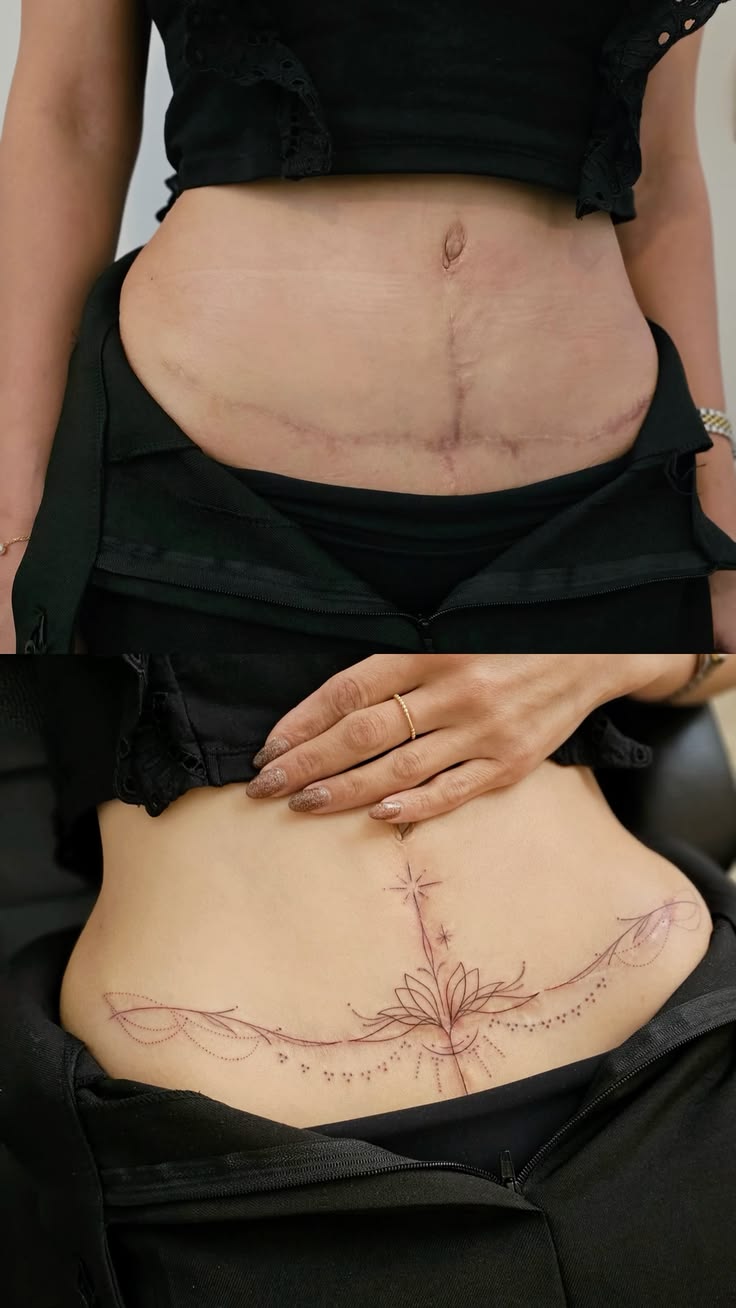
Scar camouflage before and after result at Devil Art Studio Lahore
A scar camouflage result showing how carefully matched pigment can significantly reduce the visibility of scar tissue.

Who Paramedical Tattooing Helps

Clients come to us after C-sections, surgical procedures, accidents, burns, and stretch marks from pregnancy or weight change. It’s also increasingly requested after hair transplant surgery and by clients dealing with vitiligo, both of which we cover in dedicated guides on FUE scar camouflage and vitiligo camouflage tattooing.

Why Precision Matters More Here Than in Decorative Work

There’s very little room for error in paramedical work, an uneven pigment match is far more noticeable than an uneven line in a decorative piece, since the entire goal is blending in rather than standing out. This is why experience with skin tone matching specifically, not just tattooing generally, matters so much for this category of work.

What to Expect From a Consultation

We assess the affected area, discuss realistic expectations, and always test pigment match before committing to full coverage. Results vary based on scar texture, skin tone, and how the area has healed, we’ll always give you an honest read on what’s achievable before you book.

Areas We Specialise In

Beyond general scar camouflage, we also offer areola tattooing and nipple reconstruction and scalp micropigmentation for hair loss, both specialised extensions of the same paramedical skill set.

Book a Paramedical Consultation

Every case is different, so results are best discussed in person. Message Devil Art Studio on WhatsApp at 0333-2999499 to arrange a confidential consultation.

Best Paramedical Tattoo Artist in Lahore | How to Choose a Safe & Experienced Specialist

Not every tattoo artist is trained to work with scars, vitiligo, or reconstructed skin, and choosing the wrong practitioner for a paramedical treatment can lead to disappointing or uneven results. Finding the best paramedical tattoo artist in Lahore means looking beyond a general tattoo portfolio and asking specific questions about training, hygiene, and experience with medical-grade pigmentation. This guide walks through exactly what to look for before booking a consultation.

Why Paramedical Work Requires Different Skills

Paramedical tattooing is a distinct discipline from decorative tattoo art. It requires an understanding of colour theory across different skin tones, how scar tissue and healed skin hold pigment differently from normal skin, and how to build subtle, natural-looking results rather than bold designs. An artist can be excellent at traditional tattooing and still have little to no paramedical training, so it is worth asking directly about this experience rather than assuming.

Questions to Ask Before Booking

A good starting point is asking how long the artist has been doing paramedical work specifically, not just tattooing in general, and whether they have handled cases similar to yours, whether that is scar camouflage, areola restoration, or vitiligo. Ask to see a portfolio of paramedical results, ideally with healed photos rather than only fresh work, since paramedical pigment often looks different once fully healed. It is also reasonable to ask what training or certification they have completed in this specific field.

Hygiene Standards to Look For

Because paramedical clients often have sensitive, healing, or previously injured skin, hygiene standards should be visibly high. Look for single-use sterile needles opened in front of you, medical-grade disposable equipment, and a clean, dedicated treatment space. A responsible artist will also ask about your medical history and screen for contraindications such as active infection, unhealed wounds, or pigment allergies before agreeing to treat you.

Red Flags to Watch For

Be cautious of any artist who promises guaranteed, dramatic results without first examining your specific case, who does not ask questions about your medical or surgical history, or who seems unwilling to discuss realistic limitations of the treatment. Paramedical work should always involve an honest conversation about what is achievable, not just enthusiastic promises. If an artist cannot clearly explain their process or answer questions about hygiene, it is worth considering other options.

What a Good Consultation Looks Like

A thorough consultation includes an in-person or video assessment of the area in good lighting, questions about your history and expectations, and a realistic discussion of how many sessions your case will likely need. You should leave with a clear treatment plan rather than vague reassurances, and pricing should be based on your specific case rather than a generic flat rate for every client.

Why Choose Devil Art Studio

Devil Art Studio in Y Block, DHA Phase 7, Lahore treats paramedical tattooing as a specialised practice separate from our general tattoo and piercing services, with its own consultation process, hygiene standards, and honest client communication. We are upfront about what a treatment can and cannot achieve, and we welcome questions about our process and experience.

Frequently Asked Questions

Do I need a referral to book paramedical treatment? No referral is required, though for certain cases such as post-surgical or vitiligo treatment, we recommend confirming with your doctor that the area is ready for cosmetic pigmentation.

How do I know if an artist is qualified? Ask about their specific paramedical training, request to see healed results, and pay attention to how thoroughly they assess your case during consultation.

Is a cheaper price ever a red flag? Not necessarily, but be cautious if a very low price comes with no real assessment, no hygiene transparency, or guaranteed dramatic results.

Can I ask to see the artist’s certifications? Yes, a reputable studio should be comfortable discussing their training and experience openly.

Book Your Consultation

If you are looking for an experienced, safety-focused paramedical tattoo artist in Lahore, Devil Art Studio offers a consultation to discuss your case honestly and in detail. Message us on WhatsApp at 0333-2999499, or visit our Instagram @devilartstudiolahore to see examples of our paramedical work.

#ParamedicalTattooArtist #ParamedicalTattooLahore #DevilArtStudio #ScarCamouflageLahore #MedicalTattooingLahore

Best Stretch Mark Camouflage in Lahore | Can Paramedical Tattooing Reduce Their Appearance?

Stretch marks are extremely common after pregnancy, growth spurts, or weight changes, and while they are a completely normal part of many people’s skin, some choose to reduce how visible they are. Stretch mark camouflage is a paramedical tattooing technique that uses pigment to blend stretch marks with the surrounding skin tone. This guide answers whether the treatment actually works, who it suits, and what to expect in Lahore.

What Is Stretch Mark Camouflage?

Stretch mark camouflage deposits custom-matched pigment into the lighter, silvery stretch mark tissue so it visually blends with the surrounding skin instead of standing out in contrast. It works best on mature, pale stretch marks (often called silver or white striae) rather than very new, red or purple ones, which are still actively changing and are not considered stable enough for pigmentation yet.

Can It Really Reduce Their Appearance?

Yes, for the right candidate. The treatment specifically targets colour contrast, so on stretch marks that are noticeably paler than the surrounding skin, blending pigment into them can make them significantly less visible at normal viewing distance. It does not change the texture or slightly indented quality that some stretch marks have, since that is a difference in skin structure rather than colour, and pigment cannot address that.

Who Is a Good Candidate?

Good candidates typically have stretch marks that are fully matured, pale or white in colour, and stable for at least a year. This applies to stretch marks from pregnancy, weight changes, or growth spurts on areas such as the abdomen, hips, thighs, or breasts. During consultation, the artist will examine your specific marks in natural light to assess suitability rather than assuming every stretch mark will respond the same way.

How the Treatment Works

Treatment typically starts with a patch test to see how your skin holds pigment, followed by the main session using thin layers built up gradually rather than one heavy application. Multiple stretch marks in one area are often treated together in a session, since blending works best when the whole area is addressed cohesively rather than isolated lines. Most clients need one to two sessions, with a touch-up around 6 to 8 weeks later if needed.

What to Expect for Results

Results aim to reduce visible contrast rather than eliminate the marks entirely, and outcomes vary depending on how pale your stretch marks are, your skin tone, and how your body holds pigment. Sun exposure can also affect how well the treated area continues to match over time, since pigment does not tan the way skin does, which is why occasional touch-ups can help maintain the blend.

Safety Considerations

Because stretch mark tissue is thinner than regular skin, technique and pigment depth matter significantly to avoid an uneven or patchy result. Devil Art Studio uses single-use sterile equipment and works in careful, gradual layers to reduce this risk, and we are upfront if an area of stretch marks looks unlikely to respond well to treatment.

Why Choose Devil Art Studio

Devil Art Studio in Y Block, DHA Phase 7, Lahore treats stretch mark camouflage as a precision paramedical service requiring patience and gradual layering rather than a one-session fix. We assess your specific marks honestly and explain what results are realistically achievable before starting treatment.

Frequently Asked Questions

Does it work on all stretch marks? It works best on pale, mature stretch marks; red or purple marks are usually not ready yet.

Is it painful? Most clients describe mild discomfort, similar to a light tattoo, since stretch mark tissue is often less sensitive.

How long do results last? Results are long-lasting, though gradual fading over years is normal, and touch-ups can help maintain the blend.

Can this be done alongside scar camouflage? Yes, many postpartum clients combine stretch mark and C-section scar camouflage in one overall treatment plan.

Book Your Consultation

If you are curious whether your stretch marks are a good candidate for camouflage in Lahore, Devil Art Studio offers a consultation to assess your skin honestly. Message us on WhatsApp at 0333-2999499, or visit our Instagram @devilartstudiolahore to learn more.

#StretchMarkCamouflage #ParamedicalTattooLahore #DevilArtStudio #SkinCamouflageLahore #PostpartumCare

Best C-Section Scar Camouflage in Lahore | What Women Should Know Before Treatment

A cesarean scar is a reminder of childbirth that many women feel neutral about, while others would simply prefer it to be less visible, particularly in swimwear or fitted clothing. C-section scar camouflage is a paramedical tattooing technique that uses custom-matched pigment to blend a cesarean scar with the surrounding skin. This guide covers what women in Lahore should know before booking treatment, from timing to realistic expectations.

What Is C-Section Scar Camouflage?

C-section scar camouflage uses the same principles as general scar camouflage tattooing, depositing pigment into the scar to reduce its colour contrast with surrounding skin. Cesarean scars are usually low on the abdomen, often within the “bikini line,” and typically heal as a flat, pale line, which generally makes them a reasonably good candidate for this type of treatment once fully healed.

When Is the Right Time After a C-Section?

Most practitioners recommend waiting at least 12 months after a cesarean before considering camouflage, and longer if you are planning further pregnancies, since a new pregnancy or additional surgery can affect the treated area or require the scar to reopen. It is also worth noting the scar should be fully flat and stable in colour, not still pink, raised, or itchy, before pigmentation is considered.

What to Expect During the Process

Treatment begins with an assessment of your scar’s texture, colour, and age, along with a consultation about your skin tone and goals. Pigment is applied in thin layers over more than one session to build a natural, gradual match rather than a single heavy application. Most clients need an initial session plus a touch-up around 6 to 8 weeks later, once healing and colour settling are complete.

Will It Look Completely Invisible?

It is important to have realistic expectations. Camouflage significantly reduces colour contrast but does not erase the scar’s raised or indented texture, and results are typically most convincing at normal viewing distance rather than under close inspection or in very bright direct light. Scars that are keloid, very raised, or still actively healing are usually not good candidates until they have matured further.

Considerations for Future Pregnancies

If you are planning to have more children, it is worth discussing this with your artist, since a future cesarean may reopen or extend the treated scar, potentially requiring touch-up work afterward. Many clients choose to wait until they are confident they have completed their family before investing in camouflage treatment, though this is a personal decision.

Safety & Hygiene Standards

Because postpartum skin can be more sensitive and the abdominal area involves internal healing as well as visible scarring, hygiene and technique matter significantly. Devil Art Studio uses single-use sterile needles and medical-grade pigments, and will ask about your delivery history and any complications before agreeing to treat the area.

Why Choose Devil Art Studio

Devil Art Studio in Y Block, DHA Phase 7, Lahore offers a private, comfortable environment for postpartum clients considering C-section scar camouflage. We take the time to assess whether your scar is ready for treatment and explain realistic outcomes before any session begins.

Frequently Asked Questions

Does it hurt more after a C-section? Most clients find the treated area no more sensitive than any other scar tissue, and topical numbing is available.

Can I get this done while breastfeeding? This is a personal and medical decision; we recommend discussing any cosmetic tattooing with your doctor while breastfeeding or shortly postpartum.

How many sessions will I need? Most clients need an initial session plus one touch-up, though this depends on scar size and how your skin holds pigment.

What if I have more children later? A future C-section may affect the treated area, so many women wait until family planning is complete.

Book Your Consultation

If you are considering C-section scar camouflage in Lahore, Devil Art Studio offers a private consultation to assess your scar and discuss timing and realistic results. Message us on WhatsApp at 0333-2999499, or visit our Instagram @devilartstudiolahore to see more of our paramedical work.

#CSectionScarCamouflage #ParamedicalTattooLahore #DevilArtStudio #ScarCamouflageLahore #PostpartumCare

Best Surgical Scar Camouflage in Lahore | Can Medical Tattooing Make Scars Less Visible?

One of the most common questions we hear from clients recovering from surgery is simple: can a tattoo really make my scar less visible? The short answer is yes, in many cases, through a paramedical technique called surgical scar camouflage. This is not decorative tattooing but a colour-matching process designed to blend post-operative scars with the surrounding skin. This guide answers the most common questions about the treatment and how it works in Lahore.

Which Surgical Scars Can Be Camouflaged?

Surgical scar camouflage can be considered for a wide range of post-operative scars, including appendectomy, gallbladder, orthopaedic, and general surgical incisions, as well as some cosmetic surgery scars once fully healed. The best candidates are flat, mature, pale or white scars rather than scars that are still red, raised, or actively healing. Every scar is different, so an in-person assessment is the only reliable way to know if yours is a good candidate.

Can Medical Tattooing Really Make Scars Less Visible?

Yes, but it is worth understanding exactly what the technique does. Surgical scar camouflage works by depositing custom-matched pigment into the scar tissue so its colour blends with the surrounding skin, reducing the visual contrast that makes a scar stand out. It does not remove the scar physically, flatten raised tissue, or erase texture differences, it specifically addresses colour mismatch. For scars where colour contrast is the main issue, results can be genuinely convincing at normal viewing distance.

How Soon After Surgery Can You Treat a Scar?

Most practitioners recommend waiting at least 9 to 12 months after surgery before considering camouflage, giving the scar time to fully mature and stabilise in colour and texture. Treating a scar too early can lead to a mismatched result as the scar continues to change during healing. Your surgeon can help confirm when your particular scar has settled enough to be a good candidate.

What Does the Treatment Involve?

Treatment starts with a consultation and often a patch test to see how your skin holds pigment. The main session uses multiple thin layers of custom-mixed pigment applied gradually rather than one heavy pass, since layering produces a more natural, blended result. Most clients need an initial session plus a touch-up appointment 6 to 8 weeks later, once the pigment has settled into the skin.

What Are the Limitations?

It is important to have realistic expectations. Surgical scar camouflage cannot guarantee a perfect, permanent match in every lighting condition, since natural skin tone shifts slightly with sun exposure while tattoo pigment does not tan. It also will not improve raised, indented, or heavily textured scars, since it addresses colour rather than shape. A responsible studio will tell you honestly if your scar is unlikely to respond well before recommending treatment.

Safety Standards to Expect

Because scar tissue can be more delicate than surrounding skin, hygiene is especially important. Look for single-use sterile needles, medical-grade pigments, and a practitioner who screens for contraindications like keloid tendency, active infection, or pigment allergy before treatment. Devil Art Studio follows these standards for every paramedical client.

Why Choose Devil Art Studio

Devil Art Studio in Y Block, DHA Phase 7, Lahore assesses each surgical scar individually and gives honest feedback about likely results before any treatment begins. Our paramedical work is a distinct discipline from our tattoo and piercing services, with its own consultation process and standards.

Frequently Asked Questions

Is it painful? Most clients report less discomfort than a traditional tattoo, since scar tissue is often less sensitive.

How long do results last? Results are long-lasting but can soften gradually over years, and occasional touch-ups help maintain the match.

Does it work on keloid scars? Keloid-prone scars require extra caution and may not always be suitable; this will be assessed individually during consultation.

What does it cost? Pricing depends on scar size, location, and number of sessions, so we recommend a consultation for an accurate quote.

Book Your Consultation

If you want to know whether your surgical scar is a good candidate for camouflage in Lahore, Devil Art Studio offers a consultation to assess your case honestly. Message us on WhatsApp at 0333-2999499, or visit our Instagram @devilartstudiolahore for more information.

#SurgicalScarCamouflage #ParamedicalTattooLahore #DevilArtStudio #ScarCamouflageLahore #MedicalTattooingLahore

Best FUE Hair Transplant Scar Camouflage in Lahore | Concealing Donor Area Scars

FUE (Follicular Unit Extraction) hair transplants are marketed as leaving minimal scarring compared to older strip methods, but most patients still develop small, scattered white dot scars across the donor area at the back and sides of the scalp. For men who prefer to wear their hair very short or shave it completely, these dots can still be visible. FUE hair transplant scar camouflage, using scalp micropigmentation, is a paramedical technique that disguises these marks so the donor area blends with the surrounding scalp. This guide explains how it works and what to expect in Lahore.

What Is FUE Donor Scar Camouflage?

FUE scar camouflage uses scalp micropigmentation, a specialised form of paramedical tattooing that deposits tiny dots of pigment into the scarred donor area to visually mimic the look of hair follicles. Rather than covering the scars with a single block of colour, the artist replicates the texture of shaved hair stubble, so the white dot scars blend into a field of pigment dots rather than standing out individually.

Who Is a Good Candidate?

This treatment suits men who have visible white dot scarring in their FUE donor area, particularly those who like to keep their hair very short or fully shaved, since scarring is most noticeable at short lengths. It generally works best once the donor area has fully healed, usually a year or more after the transplant, when the scars have matured and stabilised in colour and texture.

How the Treatment Works

Treatment begins with a scalp assessment to map the scarring pattern and match pigment to your natural hair colour and skin tone. The artist then applies tiny pigment deposits designed to mimic the density and angle of natural hair follicles, working in multiple sessions to build a natural-looking result rather than a flat, solid patch of colour. Most clients need two to three sessions spaced a few weeks apart, since building density gradually gives a more convincing, natural outcome than one heavy application.

Difference From Full Scalp Micropigmentation

It is worth understanding that donor scar camouflage is more targeted than a full scalp micropigmentation treatment, which recreates the look of a shaved head or added density across the entire scalp. Scar camouflage focuses specifically on blending the donor strip area with the surrounding hair-bearing or shaved scalp, though some clients choose to combine both if they also want additional density elsewhere.

What Results to Expect

Results aim to reduce the visual contrast of donor scarring at typical viewing distance and under normal lighting, particularly when hair is kept short or shaved. It is not a treatment that regrows hair or repairs the scar tissue itself, and very close inspection may still reveal some texture difference. Setting realistic expectations during consultation helps clients understand what the treatment can and cannot achieve.

Safety & Hygiene Standards

Scalp skin heals differently from body skin and can be sensitive after transplant surgery, so proper technique and hygiene matter. Devil Art Studio uses single-use sterile needles and medical-grade pigments for every scalp micropigmentation client, and we assess your donor area’s healing before agreeing to treat it.

Why Choose Devil Art Studio

Devil Art Studio in Y Block, DHA Phase 7, Lahore offers scalp micropigmentation as part of our paramedical services, with attention to matching pigment density and angle so the result looks like natural hair stubble rather than a flat tattoo. We assess each donor area individually rather than applying a generic template.

Frequently Asked Questions

How long after my FUE transplant should I wait? Most artists recommend waiting at least 12 months so the donor scars are fully healed and stable before pigmentation.

Will the pigment fade? Pigment can soften gradually over years, and occasional touch-ups help maintain the density and colour match.

Does it hurt? Most clients describe mild discomfort similar to a light tattoo, and the scalp typically becomes less sensitive after the first pass.

Can this be combined with a full scalp treatment? Yes, some clients choose to camouflage donor scars and add density elsewhere in the same overall treatment plan.

Book Your Consultation

If you are looking to camouflage FUE hair transplant scars in Lahore, Devil Art Studio offers a consultation to assess your donor area and discuss realistic results. Message us on WhatsApp at 0333-2999499, or visit our Instagram @devilartstudiolahore to see examples of our work.

#ScalpMicropigmentationLahore #FUEScarCamouflage #DevilArtStudio #HairTransplantScar #ParamedicalTattooLahore

Best Breast Cancer Areola Tattoo in Lahore | A Guide to Medical Tattoo Reconstruction

Breast cancer survivors who have undergone mastectomy and reconstruction often reach a point in their recovery journey where they want to complete the process with a natural-looking areola. A breast cancer areola tattoo, also called 3D areola pigmentation, is a specialised paramedical service designed specifically for this stage of recovery. This guide walks through what medical tattoo reconstruction involves, how it fits into the wider recovery timeline, and how to choose the right specialist in Lahore.

Why Many Survivors Choose Areola Tattooing

For many women, losing the nipple-areola complex during mastectomy is one of the more emotionally difficult parts of breast cancer treatment, even after reconstruction restores the breast’s shape. Areola tattooing offers a way to visually complete the reconstruction without additional surgery, and many survivors describe it as an important, positive milestone that helps them feel more like themselves again. It is a personal decision, and there is no right timeline for choosing it.

Where This Fits in the Recovery Journey

Areola tattooing is typically one of the final steps after mastectomy, reconstruction surgery, and any additional treatments such as chemotherapy or radiotherapy are complete and the breast tissue has fully healed. Your oncology and surgical team should confirm you are medically ready before booking a cosmetic pigmentation session, since healing time varies significantly between patients and reconstruction methods. There is no obligation to rush this step, and some women choose to wait months or longer after reconstruction before pursuing it.

How the Tattooing Process Works

The process uses 3D shading techniques to recreate the appearance of a natural nipple and areola using custom-matched pigment, building the illusion of depth and dimension even on flat reconstructed skin. A consultation maps the desired size, position, and colour, often referencing the natural side if only one breast was affected. Most clients need an initial session followed by a touch-up 6 to 8 weeks later, since colour typically softens as pigment heals and settles into the skin.

Choosing the Right Specialist

Not every tattoo artist is trained in areola restoration, so it is worth specifically asking about a studio’s paramedical experience with post-mastectomy clients, their approach to hygiene for reconstructed and potentially radiated skin, and whether they can show examples of their previous areola work. A good specialist will also be comfortable discussing your surgical history and will not rush the consultation, since precision and symmetry matter enormously in this type of work.

What to Expect Emotionally and Physically

Many clients describe the appointment itself as a meaningful, sometimes emotional experience rather than a routine cosmetic procedure, and a good studio will create a private, respectful environment for this. Physically, reconstructed skin often has reduced sensation due to nerve changes from surgery, which many clients find makes the tattooing process more comfortable than expected.

Safety Standards for Post-Mastectomy Clients

Because reconstructed and sometimes radiated skin can behave differently from typical skin, hygiene and technique are especially important. Devil Art Studio uses single-use sterile needles and medical-grade pigments, and we ask about your full surgical and treatment history, including any radiotherapy, so we can plan your session appropriately and safely.

Why Choose Devil Art Studio

Devil Art Studio in Y Block, DHA Phase 7, Lahore treats breast cancer areola tattooing as a specialised, deeply personal service. We take the time to understand each client’s surgical history and expectations, and we prioritise a calm, private, and dignified experience over a rushed appointment.

Frequently Asked Questions

How soon after reconstruction can I get areola tattooing? This depends on your individual healing and any additional treatments; your surgical team can confirm when you are ready.

Does insurance or a hospital ever cover this? Coverage varies and is worth discussing directly with your hospital or insurer, as this is outside what a tattoo studio can advise on.

Will it look natural? 3D shading techniques are specifically designed to create a realistic, dimensional appearance, though results vary based on skin and healing.

Is the procedure painful? Most clients report reduced sensation in reconstructed tissue, making the process more comfortable than a typical tattoo.

Book Your Consultation

If you are a breast cancer survivor considering areola tattoo reconstruction in Lahore, Devil Art Studio offers a private, judgement-free consultation to discuss your journey and options. Message us on WhatsApp at 0333-2999499, or visit our Instagram @devilartstudiolahore to learn more about our paramedical services.

#BreastCancerAwareness #AreolaRestorationLahore #DevilArtStudio #MedicalTattooReconstruction #ParamedicalTattooLahore

Best Areola Restoration Tattoo in Lahore | 3D Nipple & Breast Reconstruction

For women who have undergone a mastectomy or breast reconstruction, restoring a natural-looking areola can be an important final step in feeling complete again. Areola restoration tattoo treatments use specialised 3D pigmentation techniques to recreate the appearance of a natural nipple-areola complex on reconstructed breast tissue. This guide explains how the process works in Lahore, who it is suitable for, and what to expect from consultation through to healing.

What Is 3D Areola Restoration Tattooing?

3D areola restoration is a paramedical tattooing technique that uses shading, highlights, and custom-matched pigment to create the visual illusion of a natural nipple-areola complex on skin that has been reconstructed after mastectomy. Rather than a flat circle of colour, the artist builds depth using light and shadow, mimicking the way a real areola and nipple catch light, so the result appears three-dimensional even on flat, reconstructed skin.

Who Is This Treatment For?

Areola restoration is most commonly sought by women recovering from mastectomy with or without surgical nipple reconstruction, women whose reconstructed areola has faded or lost definition over time, and those who prefer a non-surgical option to a raised nipple reconstruction. Every client’s anatomy, scarring, and skin healing is different, so treatment plans are never one-size-fits-all. We recommend clients be fully healed from any reconstructive surgery and cleared by their surgeon before booking a pigmentation consultation.

How the Process Works

Treatment begins with a detailed consultation where the artist measures and maps the desired areola size, position, and colour based on the client’s natural anatomy where possible, or aesthetic preference where both sides have been reconstructed. Pigments are custom-mixed to match realistic areola tones, and shading is used to create the illusion of a raised nipple even on flat skin. Most clients need an initial full session followed by a touch-up around 6 to 8 weeks later once healing and colour settling are complete, since pigment often appears different once fully healed than immediately after application.

Timing After Surgery

Areola restoration is generally performed only after breast reconstruction has fully healed, which your surgeon will confirm, typically at least three to six months after your final reconstructive surgery, though this varies by individual healing and any additional treatments such as radiotherapy. Attempting pigmentation too early can affect how well the skin holds colour and how the area heals, so we always ask for surgical clearance before scheduling treatment.

Hygiene & Safety Standards

Reconstructed skin can be more sensitive and may have altered sensation or blood supply compared to natural breast tissue, so hygiene and technique matter enormously here. Devil Art Studio uses single-use sterile needles and medical-grade pigments for every areola restoration client, and we ask for relevant medical history, including any radiotherapy, before treatment to plan accordingly.

What Happens During Your Consultation

Your consultation includes a private, respectful assessment of the area, a discussion of your surgical history and healing timeline, and a conversation about your desired size, shape, and colour. Photos are taken before treatment to plan symmetry, particularly for clients being pigmented on one side to match a natural areola on the other. You will leave with a clear understanding of the number of sessions expected and aftercare instructions.

Why Choose Devil Art Studio

Devil Art Studio in Y Block, DHA Phase 7, Lahore treats areola restoration as one of the most delicate and meaningful services we offer. Our approach prioritises patience, symmetry, and realistic results over rushed sessions, and every client is treated with the privacy and sensitivity this procedure deserves.

Frequently Asked Questions

Is areola restoration painful? Reconstructed skin often has reduced sensation, so most clients report the procedure as more comfortable than a typical tattoo.

How long does the result last? Results are long-lasting but pigment can soften gradually over years, and occasional touch-ups help maintain definition.

Can both sides be matched if only one breast was reconstructed? Yes, artists can custom-mix pigment to closely match your natural areola for a more symmetrical appearance.

Do I need surgical clearance first? Yes, we recommend confirming with your surgeon that your reconstructed skin has fully healed before booking a pigmentation session.

Book Your Consultation

If you are considering areola restoration tattooing in Lahore, Devil Art Studio offers a private, confidential consultation to discuss your case with care. Message us on WhatsApp at 0333-2999499 to book a consultation, or visit our Instagram @devilartstudiolahore to learn more about our paramedical work.

#AreolaRestorationLahore #ParamedicalTattooLahore #DevilArtStudio #BreastReconstruction #3DAreolaTattoo

Best Vitiligo Camouflage Tattoo in Lahore | Natural-Looking Skin Repigmentation

Vitiligo causes patches of skin to lose their natural pigment, and while it is a medical condition best managed with a dermatologist, many people in Lahore also look for a cosmetic option to reduce the visual contrast of their patches day to day. This is where vitiligo camouflage tattoo treatments come in. Using paramedical micropigmentation, an artist deposits pigment into depigmented skin to visually blend it with the surrounding tone. This guide explains how the treatment works, who it may suit, and what it cannot do.

What Is Vitiligo Camouflage Tattooing?

Vitiligo camouflage, sometimes called micropigmentation for vitiligo, involves implanting custom-mixed pigment into depigmented patches of skin so they visually match the surrounding, unaffected skin tone. It is a cosmetic technique, not a medical treatment for vitiligo itself, and does not stop the condition from spreading or address its underlying autoimmune cause. It simply aims to reduce the visible contrast between affected and unaffected areas for people who want that option.

Is Vitiligo Camouflage Right for You?

This treatment tends to work best for vitiligo that has been medically confirmed as stable, meaning it has not spread or changed for at least a year, since pigment applied near active or spreading patches can end up mismatched as the condition progresses. It is generally not recommended for actively progressing vitiligo, and we always encourage clients to be under the care of a dermatologist first. A consultation will include honest questions about your diagnosis and stability before any treatment is agreed.

How the Treatment Works

The process begins with a detailed skin assessment and pigment matching, since vitiligo patches often need several custom pigment blends to account for slight variations in surrounding skin tone. Treatment is applied in multiple thin layers over more than one session, allowing the artist to build colour gradually and assess how your skin holds the pigment before committing further. Most clients require an initial session followed by one or more touch-ups spaced 6 to 8 weeks apart.

What Vitiligo Camouflage Cannot Do

It is important to understand the limits of this treatment. It cannot cure vitiligo, stop new patches from forming, or guarantee a permanent, exact colour match, since skin tone naturally shifts with the seasons and sun exposure while tattoo pigment does not tan. Camouflage tends to work more predictably on stable, well-defined patches than on widespread or actively changing vitiligo. Anyone considering this treatment should discuss it with a dermatologist first to confirm their vitiligo is stable and suitable for cosmetic pigmentation.

Safety Considerations

Because vitiligo-affected skin can behave differently to typical skin, including a phenomenon called koebnerization where new patches can form at sites of skin trauma, an experienced artist will discuss this risk honestly rather than treating every case the same way. Devil Art Studio uses single-use sterile equipment and medical-grade pigments, and will ask about your dermatological history and any recent flare-ups before agreeing to proceed.

What Happens During a Consultation

Your consultation will include an examination of your patches in natural light, a discussion of how long they have been stable, and realistic expectations about how closely the pigment can match your skin tone. Photos are taken to track colour changes over subsequent sessions. If your vitiligo appears active or recently changed, we may recommend waiting and following up with your dermatologist before beginning cosmetic treatment.

Why Choose Devil Art Studio

Devil Art Studio in Y Block, DHA Phase 7, Lahore approaches vitiligo camouflage as a specialised paramedical service requiring patience and precise colour work, not a quick fix. We are upfront when a case is not a good candidate for treatment, and we prioritise honest expectations over guaranteed before-and-after promises.

Frequently Asked Questions

Does vitiligo camouflage stop the condition from spreading? No. It is a cosmetic technique only and does not affect the underlying autoimmune process. Please continue any treatment plan recommended by your dermatologist.

Will the colour match perfectly forever? Skin tone changes naturally with sun exposure while pigment does not, so periodic touch-ups help maintain a close match over time.

Is it painful? Most clients report mild discomfort similar to light tattooing, and numbing options are available.

How many sessions are needed? This varies by patch size and skin response, but most clients need an initial session plus at least one touch-up.

Book Your Consultation

If your vitiligo has been confirmed stable and you are considering cosmetic camouflage in Lahore, Devil Art Studio offers a confidential consultation to assess whether treatment is appropriate for you. Message us on WhatsApp at 0333-2999499 to discuss your case, or visit our Instagram @devilartstudiolahore for more information.

#VitiligoCamouflageLahore #ParamedicalTattooLahore #DevilArtStudio #SkinRepigmentation #MedicalTattooingLahore

Best Scar Camouflage Tattoo in Lahore | Hide Surgical, Accident & Injury Scars

Scars from surgery, accidents, or injuries can affect confidence long after the wound itself has healed, which is why more people in Lahore are searching for scar camouflage tattoo treatments rather than relying on makeup or clothing to hide a mark permanently. Scar camouflage uses paramedical tattooing techniques to blend a scar into the surrounding skin tone, making it far less noticeable without surgery. This guide explains how the treatment works, which scars respond best, and what to expect from a consultation in Lahore.

What Is Scar Camouflage Tattooing?

Scar camouflage tattooing is a paramedical technique that deposits custom-mixed pigment into scar tissue to match it with the surrounding skin. Unlike a decorative tattoo, the goal is invisibility rather than art. The artist studies your natural skin undertone, then layers pigment in thin passes so the scar’s texture and colour blend into the surrounding area instead of standing out. It is not a treatment that removes a scar physically, but one that visually minimises its contrast with your skin.

Which Types of Scars Can Be Camouflaged?

Scar camouflage generally works best on flat, mature scars that are pale, pink, or white in colour, including surgical scars, C-section scars, appendectomy marks, old injury or accident scars, and some burn scars once fully healed. Scars that are still red, raised, actively healing, or less than 9 to 12 months old are usually not suitable yet, since the skin needs time to settle before pigment can be reliably matched and retained. A qualified artist will assess your specific scar rather than promising results for every scar type.

The Treatment Process Step by Step

Treatment begins with a consultation where the artist examines your scar in natural light, checks its texture and age, and discusses your skin tone and expectations. A patch test is often done first to confirm how your skin holds pigment. The main session involves multiple thin passes of custom-mixed pigment rather than one heavy application, since layering produces a more natural, gradual match. Most clients need one initial session plus a touch-up appointment around 6 to 8 weeks later once the pigment has settled and healed.

Who Is a Good Candidate?

Good candidates typically have a flat, fully healed scar, realistic expectations about the degree of improvement, and no active skin conditions or infections in the treatment area. Scar camouflage tends to work best for people whose scar contrasts strongly in colour with the surrounding skin rather than scars that are primarily raised or indented, since pigment addresses colour mismatch rather than texture. During your consultation, the artist will tell you honestly whether your scar is likely to respond well.

Limitations — What Scar Camouflage Cannot Do

It is important to have realistic expectations. Scar camouflage cannot completely erase a scar, remove raised or indented texture, or guarantee an identical match in every lighting condition, since skin tone can shift slightly with sun exposure and seasons. It is a cosmetic camouflage technique, not a medical scar-removal procedure, and results are typically most convincing at normal viewing distance rather than under close inspection. A responsible studio will explain these limitations clearly before treatment rather than overpromising.

Safety & Hygiene Standards

Because scar tissue can be more sensitive than regular skin, hygiene standards matter even more here. Look for single-use sterile needles, medical-grade disposable equipment, and an artist who screens for contraindications such as keloid tendency, active infection, or pigment allergies before treatment. Devil Art Studio follows strict sanitation protocols for every paramedical client and will not proceed with treatment if a scar appears unsuitable or unhealed.

Why Choose Devil Art Studio

Devil Art Studio in Y Block, DHA Phase 7, Lahore has a dedicated paramedical practice separate from our standard tattoo and piercing services. Our artists combine tattooing precision with colour-matching experience across a wide range of skin tones, and we assess every scar individually rather than applying a one-size-fits-all approach.

Frequently Asked Questions

Is scar camouflage permanent? Results are long-lasting but pigment can fade gradually over years, and occasional touch-ups help maintain the match.

Does it hurt? Most clients find it more tolerable than a traditional tattoo since scar tissue often has reduced sensitivity, though numbing cream is available if needed.

How soon after surgery can I get scar camouflage? Most artists recommend waiting at least 9 to 12 months after surgery so the scar is fully mature before treatment.

What does it cost in Lahore? Pricing depends on the scar’s size, location, and number of sessions needed, so we recommend a consultation for an accurate quote.

Book Your Consultation

If you are looking for a trusted scar camouflage tattoo studio in Lahore, Devil Art Studio offers confidential consultations to assess whether your scar is a good candidate for treatment. Message us on WhatsApp at 0333-2999499 to check availability, or visit our Instagram @devilartstudiolahore to see real client results.

#ScarCamouflageLahore #ParamedicalTattooLahore #DevilArtStudio #SurgicalScarCamouflage #MedicalTattooingLahore