Tattoo Touch-Up in Lahore: When Does Your Tattoo Need a Retouch?

Even the best tattoos need a little maintenance eventually. Skin changes, sun exposure adds up, and fine details are naturally the first to soften. Knowing when to book a touch-up — rather than waiting until a piece looks genuinely worn — is the easiest way to keep a tattoo looking sharp for decades.

What Is a Tattoo Touch-Up, Exactly?

A touch-up is a shorter follow-up session where an artist goes back over an existing tattoo to refresh faded color, sharpen blurred linework, or fix small areas that didn’t heal evenly the first time. It’s not a redesign — the original artwork stays the same, it’s simply restored closer to how it looked when freshly done. If your tattoo needs more than a refresh, our guide on touch-ups versus full redesigns can help you figure out which applies to you.

Signs Your Tattoo Needs a Retouch

The clearest signs are softened outlines, patchy or dulled color, and small gaps where ink didn’t fully take during healing. If you find yourself describing your tattoo as “faded” rather than just “aged,” that’s usually a good indicator it’s time for a session.

How Soon After a New Tattoo Might You Need One?

Occasionally, a very small percentage of a fresh tattoo doesn’t heal perfectly evenly — a tiny scab falls off early, or a small patch doesn’t retain ink fully. Reputable studios, including ours, typically offer a complimentary touch-up within the first few months for exactly this reason, since it’s a normal part of the healing process rather than a flaw in the original work.

Longer-Term Touch-Ups

For older tattoos, especially those five, ten, or more years old, a touch-up is more about combating natural fading from sun exposure, skin aging, and time. If you’re curious about what actually causes that fading in the first place, our article on why tattoos fade covers it in depth.

What Happens During a Touch-Up Session at Devil Art Studio Lahore

We start by examining the piece closely, comparing it against original reference photos when available, and identifying exactly which areas need attention. Most touch-ups are quicker and less intense than the original tattoo, since the outline and structure are already there — we’re refreshing, not rebuilding.

Areas That Typically Need Touch-Ups Sooner

Hands, fingers, feet, and areas with a lot of daily friction or sun exposure tend to need touch-ups sooner than covered areas like the back or upper arm. If you have a piece in one of these higher-wear areas, it’s worth checking in with your artist every few years rather than waiting for visible fading.

Aftercare After a Touch-Up

Touch-up aftercare is essentially the same as for a new tattoo: keep it clean, moisturized, and protected from the sun while it heals, typically for one to two weeks. Treat it with the same care you gave the original piece, even though the session itself was shorter.

Book a Touch-Up at Devil Art Studio Lahore

If your tattoo isn’t looking quite as sharp as it used to, don’t wait for it to get worse. Come in for a quick assessment — most touch-ups are fast, affordable, and make a bigger difference than people expect.
How to Restore a Faded Tattoo: Touch-Up vs Complete Tattoo Redesign

A faded tattoo doesn’t automatically mean starting over. Depending on how much detail has been lost and how the piece has aged, the right fix could be a quick touch-up session or, in some cases, a more complete redesign that builds something new around the existing outline. Here’s how to tell the difference.

What Counts as a Touch-Up

A touch-up is essentially refreshing what’s already there — going back over softened linework, re-saturating faded color, and sharpening edges that have blurred with time. It works best when the original design is still structurally intact and the fading is fairly even across the piece. Most touch-ups take a single session and cost significantly less than a redesign.

What Counts as a Redesign

A redesign goes further, reworking the composition itself — adding new elements, changing shading style, or restructuring the piece to hide areas that have faded unevenly or blurred beyond a simple refresh. This is common with older tattoos, amateur or poorly executed pieces, or designs the client has simply outgrown stylistically. For tattoos that need more significant rework, our guide on best styles for covering old or unwanted tattoos is a useful next read.

Signs You Only Need a Touch-Up

If the outline is still clean and readable, colors have simply dulled rather than blurred together, and there’s no significant blowout or ink migration, a touch-up is usually enough. These are typically quick, lower-cost sessions that restore the tattoo close to its original look.

Signs You Need a Full Redesign

If linework has blurred into a blob, colors have merged into muddy patches, or the design was poorly executed from the start, a touch-up alone often can’t fix it — the underlying structure isn’t there to refresh. In these cases, a redesign that reworks the piece with new linework and shading, sometimes larger than the original, gives a far better long-term result.

How We Assess It at Devil Art Studio Lahore

Every restoration starts with a close look at the piece in good lighting, checking how deep the original ink sits, how much detail is genuinely recoverable, and whether the skin has any texture changes from the original tattoo’s age. We’ll always recommend the less invasive, less expensive option when it will genuinely get the result you want, and only suggest a full redesign when it’s truly needed.

What to Expect During the Session

Touch-ups are generally quick and less intense than the original tattoo since much of the outline work is already there to guide the artist. Redesigns can take one or more sessions depending on scope, similar to a new tattoo of comparable size. In both cases, proper aftercare in the days following is just as important as it was the first time around.

Cost and Time Differences

Because touch-ups involve less new work, they’re typically faster and more affordable than redesigns. A redesign, especially one that significantly reworks or enlarges the original piece, is priced closer to a new tattoo of similar size and complexity. We’ll always give you a clear quote after seeing the piece in person, since fading and detail loss vary a lot from tattoo to tattoo.

Book a Restoration Consultation

If your tattoo has lost its sharpness, don’t assume the worst. Bring it in and let us take an honest look — often a touch-up is all it takes, and when it’s not, we’ll walk you through exactly what a redesign would involve before you commit to anything.

Why Do Tattoos Fade? Common Causes and How to Prevent Fading

Every tattoo changes a little over the years, but some fade so slowly you barely notice, while others lose their crispness within a couple of seasons. Understanding what actually causes fading helps you make better choices — both before you get inked and in how you care for the piece afterward.

Sun Exposure Is the Biggest Factor

Ultraviolet light breaks down ink pigment faster than almost anything else. Tattoos on areas that see regular, unprotected sun — hands, forearms, feet, neck — tend to fade noticeably faster than tattoos kept mostly covered. Daily sunscreen with a high SPF over healed tattoos is one of the simplest, most effective things you can do to protect your investment.

Skin Type and Placement Matter

Areas with thinner skin or more movement, like fingers, hands, feet, and inner elbows, tend to fade or blur faster because the skin cells there turn over more quickly and the area is under more constant friction. Skin with naturally higher oil production can also cause ink to migrate slightly over time, softening fine details first.

Ink Quality and Technique

Not all ink is equal, and neither is application depth. Ink placed too shallow tends to fade quickly because it sits closer to the skin’s surface layer, which sheds and regenerates constantly. Ink placed too deep can blur or “blow out.” This is exactly why choosing an experienced, reputable studio matters — proper depth and quality pigment are the foundation of a tattoo that ages well. If a tattoo has already lost significant detail, our guide on touch-ups versus full redesigns explains your options.

Sun, Water, and Time During the Healing Window

The first four to six weeks after getting tattooed are when the piece is most vulnerable to premature fading. Swimming, prolonged sun exposure, scratching, or picking at peeling skin during this window can pull ink out unevenly before it has fully settled, leaving patchy areas that fade faster than the rest of the design for years afterward.

Color Fades Differently Than Black

Bright colors, especially yellows, light pinks, and pastels, generally fade faster and show age sooner than solid black or grey-wash work. If longevity matters to you, black and grey designs, or color work with bold, saturated tones and strong outlines, tend to hold their crispness for longer. If you’ve noticed your tattoo’s color specifically looking different than it used to, our article on why tattoo color changes over time goes deeper into that specific issue.

Age of the Tattoo and Natural Skin Aging

Skin naturally loses some elasticity and collagen over the years, and that affects how crisp linework looks decades down the road, independent of sun exposure or care. This is a normal part of aging and not something to be alarmed by — it simply means most tattoos, even well cared for ones, will eventually benefit from a touch-up after ten or more years.

How to Slow Down Fading

Daily sunscreen, good hydration, avoiding harsh exfoliants directly on the tattoo, and following your artist’s aftercare instructions closely in the first month all add years of life to a tattoo. Beyond that, scheduling an occasional professional touch-up in Lahore every several years keeps linework sharp and color saturated long before major fading sets in.

When to Book a Touch-Up

If you’re noticing softened edges, dulled color, or patchy sections, it’s usually a sign your tattoo would benefit from professional attention rather than something to ignore. Come see us at Devil Art Studio Lahore for an honest assessment — sometimes a light touch-up is all it takes to make a piece look freshly done again.

Best Tattoo Designs to Cover Stretch Marks on the Body

Once you’ve decided a tattoo is the right way to soften the look of your stretch marks, the next question is design. Not every style works equally well on every body area, and the direction and density of the marks themselves should shape the artwork rather than fight against it. Here’s how we approach it at our Lahore studio.

Let the Direction of the Marks Guide the Design

Stretch marks usually run in a fairly consistent direction depending on the area — vertically on the thighs, radiating outward on the stomach, or fanning across the hips. A skilled artist designs with that natural flow in mind rather than against it, which is one of the reasons a custom consultation matters more than picking a design straight off a reference photo. If you haven’t yet read about timing and ink behavior, our guide on tattooing over stretch marks is a good starting point.

Botanical and Floral Designs

Vines, branches, and floral clusters are consistently one of the most popular choices for stretch marks on hips and thighs. The organic, flowing lines of botanical work naturally follow the body’s curves, and layered petals or leaves are excellent at visually breaking up parallel stretch mark lines.

Fine Line and Linework Patterns

For clients who want something subtle, fine linework — arcs, geometric patterns, or abstract line art — can trace along the natural direction of the marks. This style works particularly well on areas with lighter, less dense stretch marks where a heavy, bold design isn’t necessary to achieve good coverage.

Bold Blackwork and Mandala Patterns

For denser stretch marks or larger areas like the stomach or upper arms, bold blackwork and mandala-style patterns offer stronger, more reliable coverage. The saturated black ink and structured symmetry are particularly effective at drawing the eye to the design’s pattern rather than the texture underneath.

Watercolor and Soft Color Work — Proceed With Caution

Watercolor-style tattoos rely on soft, blended color transitions that can look uneven over textured or unevenly pigmented skin. We generally recommend this style only for stretch marks that have fully faded to a light, even tone, and even then, we usually combine it with some linework for structure.

Placement Considerations by Body Area

Hip and thigh stretch marks pair well with flowing florals or fine line arcs that wrap naturally around the body’s curve. Stomach stretch marks, especially post-pregnancy, often suit a centered mandala, sun, or botanical piece that radiates outward. Upper arm marks respond well to wraparound linework or geometric bands. In every case, we design in-studio around your actual skin rather than resizing a stock design.

Combining Multiple Techniques

Many of our most successful stretch mark cover-ups combine two techniques — bold linework for structure with fine dotwork shading for texture and depth. This layered approach gives both strong visual coverage and a piece that still reads as fine art rather than a simple patch job. If you’re weighing this against starting fresh with a full redesign elsewhere on the body, our piece on best tattoo styles for covering old or unwanted tattoos covers similar design logic.

Book a Design Consultation at Devil Art Studio Lahore

Every stretch mark pattern is unique, so the best design is always a custom one. Bring us your ideas, or come in with an open mind, and we’ll sketch options built specifically around your skin’s texture and direction.

Can You Tattoo Over Stretch Marks? What a Professional Tattoo Artist Recommends

Stretch marks are one of the most common things clients ask us about, whether from pregnancy, growth spurts, weight change, or muscle gain. The good news is that stretch marks are generally very tattoo-friendly, more so than many other types of scarring, but there are still a few things worth knowing before you book your session.

Why Stretch Marks Take Ink Reasonably Well

Stretch marks form when the skin stretches faster than collagen can keep up, leaving thin, often silvery streaks across the surface. Unlike deep scar tissue, stretch marks are usually shallow and flat, which means ink sits fairly evenly across them. Older, fully faded white stretch marks tend to respond better than very fresh red or purple ones, so timing matters.

Should You Wait Before Tattooing Over Stretch Marks?

Fresh stretch marks that are still red, purple, or itchy are actively changing, and tattooing over them at this stage can distort the healing process. Most artists, including our team at Devil Art Studio Lahore, recommend waiting until marks have fully matured to their pale, silvery-white stage, which usually takes twelve to eighteen months. This gives the most predictable, long-lasting result.

How Ink Behaves Differently on Stretched Skin

Because stretch marks are thinner than surrounding skin, ink can occasionally settle slightly lighter directly over the mark compared to the healthy skin around it. Experienced artists compensate for this by adjusting needle depth and going over textured areas with a bit more care, and by choosing designs that don’t rely on perfectly even color saturation across the whole piece.

Common Areas We Tattoo Over Stretch Marks

Hips, thighs, stomach, and upper arms are the areas we see most often, particularly from clients who’ve had children or gone through significant body changes. Each area has slightly different skin thickness and stretch mark density, so the design is always planned individually rather than copied from a template. For a full breakdown of design directions by body area, see our companion guide on the best tattoo designs to cover stretch marks.

What a Consultation Looks Like

At our Lahore studio, a stretch mark consultation starts with looking closely at the density and direction of the marks under good light. Marks that run in clear parallel lines, like on the thighs or lower back, often guide the design’s flow, while denser or crisscrossed areas give more freedom for a bolder piece. We’ll always tell you honestly if an area needs more healing time first.

Aftercare for Tattoos Over Stretch Marks

Healing is largely the same as any tattoo: keep it clean, moisturized with a fragrance-free balm, out of direct sun, and avoid tight clothing that could rub the area while it heals. Because stretch-marked skin can be slightly less elastic, we also recommend keeping the skin well hydrated in the weeks before your appointment, which can make the tattooing process more comfortable.

Is a Tattoo the Right Choice for You?

Tattooing over stretch marks is a personal decision, not a medical necessity, and there’s no wrong answer either way. Some clients want a bold statement piece, others want something delicate that simply softens the visual texture. If you’re also curious how faded ink typically behaves over time on any part of the body, our guide on why tattoos fade is a useful read before committing to a large piece.

Book Your Consultation at Devil Art Studio Lahore

If you’re considering a tattoo over stretch marks, come in for a free consultation. We’ll look at your skin, talk through realistic design options, and give you an honest timeline — no pressure, no guesswork, just a clear plan built around your body.

Scar Cover-Up Tattoos in Lahore: Best Designs for Different Types of Scars

Not every scar needs the same design approach. A thin surgical line heals and behaves very differently under the needle than a raised burn scar or textured acne scarring, and choosing the right style can be the difference between a cover-up that blends seamlessly and one that still draws the eye. Here’s how we approach scar cover-up tattoos for different scar types at our Lahore studio.

Start With an Honest Read on the Scar

Before talking design, every good cover-up begins with an honest look at the scar itself — how raised or flat it is, how it has settled, and whether it’s still changing. If you’re unsure whether your scar is even ready for a tattoo yet, our earlier guide on tattooing over scar tissue covers the healing timeline and readiness signs in detail.

Surgical and C-Section Scars

Thin, flat surgical lines — including C-section scars — are some of the most tattoo-friendly scars because the tissue is usually smooth and settled. Delicate florals, vines, or fine linework that follows the natural curve of the scar can turn a straight surgical line into something soft and deliberate. Because these scars are often less textured, artists have more freedom with detail than with raised or pitted scarring.

Burn Scars

Burn scars vary enormously in texture, from smooth and shiny to heavily textured with uneven pigment. Bold blackwork, structured geometric patterns, or dotwork tend to work best here because strong linework reads clearly even over uneven skin, while soft gradients or pastel color work can look patchy. Larger burn scars sometimes need a phased approach — building the design in more than one session so the skin isn’t overworked at once.

Acne and Pitted Scars

Pitted or “ice pick” acne scarring, common on the back, chest, and jawline, benefits from designs with dense shading or fine dotwork that visually fills in the texture rather than designs with large open, negative space where every dip in the skin would still be visible. Mandala-style patterns and detailed botanical work are popular choices for this scar type.

Keloid and Raised Scars

Keloid scars need the most caution. A skilled artist will usually recommend waiting until the keloid has been medically managed and stabilized, and may suggest a smaller test area first. Bold, simple linework that doesn’t require heavy shading is often the safer starting point, since it puts less repeated trauma into the raised tissue.

Self-Harm Scar Cover-Ups

For many clients, covering self-harm scars is an emotional milestone, not just a cosmetic one. We treat these consultations with extra care and privacy. Designs that use structured patterns, meaningful symbols, or nature-inspired linework tend to be popular, and we always take the time needed so the client feels fully comfortable with the placement and design before any needle touches the skin. If a scar is still healing or looks like it may need more time, we’ll say so — the goal is a result you’ll love for years, not a rushed session. For clients weighing this decision alongside how to handle regret over an existing tattoo, our related guide might help you think through the full picture.

Choosing Placement and Size

Good scar cover-up design often means the tattoo needs to be somewhat larger than the scar itself, so the eye is drawn to the overall art rather than zeroing in on the scar’s edges. We typically design with a border of normal skin included in the piece so the transition looks natural rather than like a patch sitting directly on top of the scar.

Book a Consultation at Devil Art Studio Lahore

Every scar is different, and the best design is the one built around your specific skin, not a generic template. Bring us your scar and your story, and we’ll walk you through design options, realistic timelines, and honest expectations — including whether tattooing is the right choice at all, or whether other options are worth considering first.

Can Tattoos Cover Scars? Everything You Need to Know Before Tattooing Over Scar Tissue

Scars tell stories — surgery, an accident, acne, a burn, or a chapter of life someone would rather move past. It’s no surprise that one of the most common questions we hear at our Lahore studio is simple: can a tattoo actually cover a scar? The honest answer is yes, in most cases, but scar tissue behaves very differently from regular skin, and getting a beautiful, long-lasting result depends on understanding those differences before you book a session.

Can You Really Tattoo Over a Scar?

In general, tattooing over a scar is possible once the scar has fully matured, which usually takes at least twelve months for surgical or accidental scars and even longer for keloid-prone skin. A freshly healed scar is still remodeling underneath the surface, and tattooing too early can distort the design or damage the healing tissue. A professional consultation is the only reliable way to judge whether a specific scar is ready.

Which Scars Are Good Candidates for a Cover-Up Tattoo

Flat, pale, fully settled scars typically take ink the most evenly. Depressed or slightly textured scars can still be tattooed but may need shading techniques to disguise the dip in the skin. Raised keloid or hypertrophic scars are the trickiest, since the thickened tissue can absorb ink unevenly and the trauma of tattooing can sometimes stimulate further keloid growth. This doesn’t mean keloids are off-limits, but it does mean they need an experienced artist who can assess the risk honestly rather than promise a perfect result.

Why Scar Tissue Behaves Differently Under the Needle

Scar tissue lacks the normal network of hair follicles, oil glands, and elastic fibers found in healthy skin, so it can be less elastic and, in some spots, less sensitive to pain because nerve endings were damaged. This means the needle can sit differently in the tissue, ink can migrate or fade unevenly, and healing can take a little longer. None of this rules out a tattoo — it simply changes the technique an artist should use, often favoring bold outlines and saturated color over delicate fine-line work that scar tissue may not hold well over time.

Design Choices That Work Best Over Scars

Bold blackwork, dotwork patterns, and structured geometric or floral designs tend to camouflage scar texture better than soft watercolor or ultra-fine line styles. The goal is to let the design’s linework and shading do the work of tricking the eye, rather than relying on smooth gradients that will show every irregularity in the skin. If you want to see real design directions organized by scar type, our guide to scar cover-up tattoos in Lahore breaks down the best options for surgical scars, burn scars, and acne scarring.

What Happens During a Scar Tattoo Consultation at Devil Art Studio Lahore

When a client comes to our Lahore studio wanting to tattoo over a scar, we start by examining the scar’s age, texture, and color under good lighting. We talk through medical history, since certain scars — particularly those still under a doctor’s care — need a green light from a physician first. From there we sketch design options that account for the scar’s shape rather than fight against it, and we’re always upfront if a particular scar needs more healing time before it’s ready.

Aftercare Tips for Tattoos Over Scar Tissue

Because scar tissue can be more sensitive and slower to heal, aftercare matters even more than usual. Keep the area clean and moisturized with a fragrance-free healing balm, avoid direct sun exposure for several weeks, and don’t pick at any peeling skin. If you notice unusual swelling, raised bumps, or the scar seems to be thickening rather than settling, check in with your artist early rather than waiting.

Final Thoughts

A well-planned tattoo can turn a scar you’ve spent years trying to hide into a piece of art you’re proud to show. It takes patience, an honest consultation, and an artist who understands how scar tissue heals differently from the rest of your skin. If you’re also considering whether a full cover-up or laser removal makes more sense for your situation, it’s worth reading both options before deciding. Book a free consultation with Devil Art Studio Lahore and bring your scar, your questions, and your ideas — we’ll tell you honestly what’s possible.

Ikigai Tattoo in Lahore – Meaning, Symbolism & Design Ideas

An Ikigai tattoo in Lahore is a meaningful way to carry your sense of purpose with you every day. The Japanese concept of Ikigai roughly translates to “a reason for being” — the intersection of what you love, what you are good at, what the world needs, and what you can be rewarded for. At Devil Art Studio, DHA Phase 7, we design thoughtful Ikigai tattoos for clients who want a permanent reminder of their own direction in life.

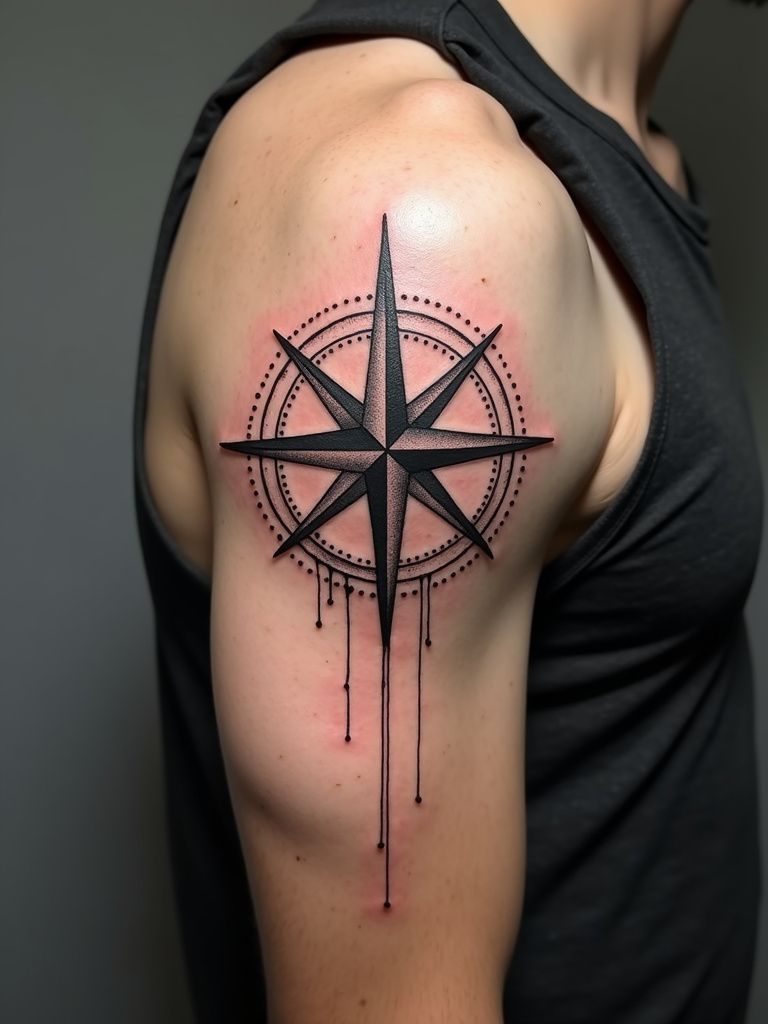
Nautical star and compass tattoo with dotwork by Devil Art Studio Lahore

What Ikigai Means

Ikigai has become widely known as a framework for finding purpose and fulfilment, often associated with the long, healthy lives of people in certain regions of Japan. Many of our clients choose this concept after a period of reflection — a career change, a personal reset, or simply a desire to feel more intentional about how they spend their time and energy going forward.

Popular Design Ideas

The Japanese characters for Ikigai in elegant calligraphy are a popular, direct way to wear this concept, often placed vertically along the forearm or spine. A compass is also a fitting visual metaphor, representing direction and purpose, similar to the design shown above. Some clients choose the English word “Ikigai” in minimal script, sometimes paired with a small sun or star to represent guidance and clarity.

Best Placements for This Design

The forearm, upper arm, and ribs are popular for slightly larger, more detailed pieces, while smaller versions suit the wrist or behind the ear well. If you like the idea of pairing this concept with another reflective design, our sonder tattoo in Lahore guide covers another thoughtful, perspective-driven idea that pairs naturally.

Pain Level and Session Time

A simple script or small symbol version takes around 20 to 45 minutes, while a more detailed compass or calligraphy piece with shading can take one to two hours depending on size and complexity.

Cost and Choosing the Right Artist

Pricing depends on whether you choose a simple script version or a more detailed symbolic design. We confirm your exact quote once your design is finalised during the consultation. For Japanese calligraphy specifically, it is worth choosing an artist experienced with the script to ensure accuracy and clean linework — our team at Devil Art Studio takes great care with any script-based design, similar to our approach with Urdu calligraphy tattoos in Lahore.

Aftercare Tips

Keep the tattoo clean and moisturised, avoid direct sun exposure and swimming for at least two weeks, and avoid picking at any peeling skin. Detailed script and symbolic designs benefit especially from consistent aftercare to stay crisp for years to come.

Hygiene and Safety Standards

Whether you choose Japanese calligraphy or a symbolic compass design, Devil Art Studio maintains strict hygiene standards for every Ikigai tattoo session. We use single-use needles for every client, thoroughly disinfect all surfaces and equipment between appointments, and follow professional glove protocols throughout. Our DHA Phase 7 studio meets high safety standards, and our artists are happy to explain our full sterilisation process during your consultation.

How to Prepare for Your Appointment

Eat a proper meal, stay hydrated, and avoid alcohol for at least 24 hours before your session. Wear clothing that gives easy access to your chosen placement, and bring any reference images or specific characters you want included so we can confirm accuracy together before we begin.

Making the Design Feel Personal

Because Ikigai is deeply tied to personal purpose, we encourage clients to reflect on what specifically gives their life meaning before finalising a design. Some prefer the direct Japanese characters, others prefer a symbolic compass or sun motif, and some choose to combine both. There is no single right answer, and our artists are happy to sketch a few different directions with you during your consultation so the final tattoo feels authentically tied to your own sense of purpose.

Frequently Asked Questions

Should I get Ikigai in Japanese characters or English?
This comes down to personal preference — Japanese calligraphy feels more authentic to the concept’s origin, while the English word can feel more immediately readable and personal to some clients.

Is a compass a good symbol to pair with Ikigai?
Yes, it is one of our most popular pairings, since both represent finding direction and purpose in life.

Why Devil Art Studio, Lahore

Our artists are experienced in both script and symbolic design work, making Devil Art Studio, DHA Phase 7, a thoughtful choice for an Ikigai tattoo. Browse our portfolio on our work gallery, or reach out through our contact page to book your consultation.

Whatever sense of purpose you want to carry with you, our team at Devil Art Studio is here to help design an Ikigai tattoo that feels authentically yours, from consultation through to your final healed result.

Wabi-Sabi Tattoo in Lahore – Beauty in Imperfection

A Wabi-Sabi tattoo in Lahore celebrates a beautifully simple idea — that nothing is perfect, nothing is finished, and nothing lasts forever, and that this is exactly what makes life beautiful. At Devil Art Studio, DHA Phase 7, we design quiet, minimal Wabi-Sabi tattoos for clients drawn to this gentle Japanese philosophy of imperfect beauty.

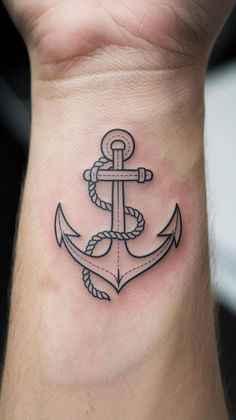
Minimalist anchor line tattoo on wrist by Devil Art Studio Lahore

Understanding Wabi-Sabi

Rooted in Japanese aesthetics, Wabi-Sabi finds beauty in the imperfect, the impermanent, and the incomplete — a cracked bowl, a weathered wall, a life full of scars and stories. Many of our clients are drawn to this philosophy as a gentle counterpoint to the pressure of chasing perfection, choosing it as a reminder to embrace their own flaws and life’s natural changes rather than fighting against them.

Popular Design Ideas

A simple broken or uneven circle is one of the most popular visual representations of Wabi-Sabi, symbolising imperfection and wholeness at once. Fine-line cracked pottery motifs, inspired by the Japanese art of kintsugi, are also popular, along with the phrase itself written in soft, minimal script similar in spirit to the understated linework shown above. Simplicity is key to this style — an overly detailed design tends to work against the philosophy it represents.

Best Placements for This Design

The wrist, behind the ear, and the inner arm are our most popular placements for Wabi-Sabi tattoos, since small, minimal designs suit these areas beautifully. If you are drawn to reflective, philosophy-based tattoos, our Ikigai tattoo in Lahore guide covers another meaningful concept that pairs thematically well.

Pain Level and Session Time

Because Wabi-Sabi tattoos are almost always small and minimal, they are one of the quickest and most comfortable styles we offer — most pieces take between 20 and 45 minutes.

Cost and Choosing the Right Artist

This style is generally one of our more affordable options, with pricing based on size and detail. We confirm your exact quote once the design is finalised during the consultation. Because minimal designs leave no room to hide unevenness, it is worth choosing an artist experienced specifically in clean, precise linework — our team at Devil Art Studio specialises in this kind of detailed minimalism.

Aftercare Tips

Keep the tattoo clean and lightly moisturised, avoid direct sun exposure, and be gentle with the area while it heals. Most small, minimal tattoos heal fully within two weeks with consistent care.

Hygiene and Safety Standards

Minimal designs like a Wabi-Sabi tattoo leave no room to hide unevenness, so we hold every session to a strict hygiene and precision standard. Devil Art Studio uses single-use needles for every client, sterilises all surfaces and equipment between appointments, and follows professional glove protocols throughout. Our DHA Phase 7 studio is built around client safety, and our artists are happy to explain our process during your consultation.

How to Prepare for Your Appointment

Eat a light meal and stay hydrated before your appointment, and avoid alcohol for at least 24 hours beforehand. Wear clothing that gives easy access to your chosen placement, such as the wrist or inner arm, and let us know your preferred symbol or wording in advance so we can prepare accordingly.

Making the Design Feel Personal

Wabi-Sabi is ultimately about embracing your own imperfections, so we encourage clients to resist the urge to make the design itself “perfectly” symmetrical or polished. A slightly uneven circle, a subtly imbalanced line — these small imperfections are exactly the point. During your consultation, our artists will help you find the right level of intentional imperfection so the tattoo feels authentic to the philosophy it represents, rather than looking like a generic, mass-produced symbol.

Frequently Asked Questions

What is a simple way to represent Wabi-Sabi in a tattoo?
A broken or uneven circle is the most common and recognisable symbol, representing imperfection and completeness existing together.

Is this philosophy tattoo suitable for a first tattoo?
Yes, its minimal, small-scale nature makes it a popular and comfortable choice for clients getting tattooed for the very first time.

Why Devil Art Studio, Lahore

Our artists specialise in clean, minimal linework, making Devil Art Studio, DHA Phase 7, a great choice for a Wabi-Sabi tattoo. Browse our fine-line portfolio on our work gallery, or reach out through our contact page to book your consultation.

Whatever imperfection you choose to embrace, our artists are here to help you design a Wabi-Sabi tattoo that feels genuinely meaningful, guiding you through every step from first sketch to final healing.

Carpe Diem Tattoo in Lahore – Latin Tattoo Ideas & Meanings

A Carpe Diem tattoo in Lahore is a timeless choice for anyone who wants a permanent reminder to make the most of every day. Latin for “seize the day,” Carpe Diem remains one of the most requested phrase tattoos worldwide, and at Devil Art Studio, DHA Phase 7, we design bold, confident pieces that do this powerful phrase justice.

Nautical star and compass tattoo with dotwork by Devil Art Studio Lahore

Why Carpe Diem Remains So Popular

Originating from the Roman poet Horace, Carpe Diem has endured for centuries because its message is simple and universally relevant — life is short, so make it count. Many of our clients choose this phrase after a wake-up call moment, a big life change, or simply as a daily nudge to stop waiting and start living more fully.

Popular Design Ideas

Bold script is the classic way to wear this phrase, often paired with a small symbol like a sun, a compass, or a star to reinforce the idea of direction and adventure, similar to the striking compass design shown above. Some clients also choose to pair Carpe Diem with a specific date or coordinate that marks a meaningful turning point in their life.

Best Placements for This Design

The forearm and ribs are our most popular placements for Carpe Diem tattoos, since both offer enough length for the full phrase to flow naturally. If you like the idea of pairing this with another Latin phrase, our Amor Fati tattoo in Lahore guide covers a complementary philosophy that many clients choose together.

Pain Level and Session Time

Most Carpe Diem tattoos are fine to medium linework, making them fairly comfortable and efficient — a script-only version typically takes 30 to 60 minutes, while a version with an added symbol can take up to two hours.

Cost and Choosing the Right Artist

Pricing depends on the length of the phrase and whether a symbol is included, but this style is generally an affordable, mid-sized piece. We confirm your exact quote once the design is finalised during your consultation. Because clean, confident script is essential here, it is worth choosing an artist experienced specifically in lettering — our team at Devil Art Studio has strong experience in this style and is happy to walk you through past work.

Aftercare Tips

Keep the tattoo clean and moisturised, avoid direct sun exposure and swimming for at least two weeks, and avoid picking at any peeling skin. Following proper aftercare closely in the first month helps keep the script sharp and legible for years to come.

Hygiene and Safety Standards

Because Carpe Diem pieces often combine script with symbolic detail, we maintain strict hygiene standards throughout every session. Devil Art Studio uses single-use, sealed needles for every client, disinfects all surfaces and equipment between appointments, and follows professional glove protocols from setup through to your aftercare guidance. Our DHA Phase 7 studio meets high safety standards, and we are always transparent about our sterilisation process.

How to Prepare for Your Appointment

Eat a proper meal, stay hydrated, and avoid alcohol for at least 24 hours before your appointment. Wear clothing that gives easy access to your chosen placement, whether that is the forearm or ribs, and bring any reference images for the symbol you would like paired with the phrase.

Making the Phrase Feel Personal

Carpe Diem is a phrase many people recognise, but the way you choose to wear it can still feel completely unique. Some clients prefer it entirely alone in bold script, while others pair it with a symbol tied to a specific adventure or turning point in their life. Placement, font weight, and any added imagery all shape how personal the final piece feels. Our artists will walk through these choices with you during your consultation to help design a version that feels like your own, not a copy of someone else’s.

Frequently Asked Questions

Is Carpe Diem a cliché tattoo choice?
While it is popular, most clients personalise it through font choice, placement, and added symbols, making each version feel unique to their own story rather than generic.

Can Carpe Diem be combined with a compass or star design?
Yes, this is one of our most requested combinations, symbolising both the phrase’s message and a sense of direction and adventure.

Why Devil Art Studio, Lahore

Our artists specialise in bold, clean script and symbolic linework, making Devil Art Studio, DHA Phase 7, a strong choice for a Carpe Diem tattoo. Browse our lettering portfolio on our work gallery, or reach out through our contact page to book your consultation.

Whatever your own version of seizing the day looks like, our team is here to help you design a Carpe Diem tattoo that feels authentically yours, from consultation through to your final healed result.