Japanese tattooing, often called Irezumi, is built on bold outlines, flowing composition and motifs that carry centuries of symbolism. If you are looking for a Japanese tattoo in Lahore that respects that tradition rather than flattening it into a generic dragon outline, Ruby at Devil Art Studio has become the artist most clients request for this style.
What Makes Japanese (Irezumi) Tattoos Different
Traditional Japanese tattooing is built around strong linework, negative space, and background elements like clouds, waves or wind bars that carry the main motif across the body rather than sitting as an isolated image. It rewards patience: most authentic pieces are planned as sleeves or back pieces rather than single small tattoos, since the composition depends on flow across the whole area. You can read more about the style’s history and meaning on our Japanese tattoo meaning guide.
Popular Japanese Tattoo Motifs
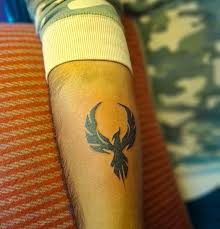
Dragons, koi fish, phoenixes, cherry blossoms and waves remain the most requested motifs, each carrying its own symbolism, strength and resilience for dragons, transformation for koi, rebirth for the phoenix. Ruby works with clients to choose a motif that fits both their story and the placement they have in mind, rather than picking a design off a generic reference sheet.
Ruby’s Approach to Japanese-Style Tattoos in Lahore
Ruby’s background in detailed, disciplined linework translates naturally into Japanese-style tattooing, where clean outlines and confident shading make the difference between a piece that looks intentional and one that looks rushed. Every Japanese-style project starts with a proper design consultation, sketching flow and placement before any stencil is applied.
Placement and Sizing for Japanese Tattoos
Because Japanese designs rely on flow, forearm, upper arm, full sleeve and back placements tend to work best. Smaller Japanese-inspired motifs can still work on the calf or shoulder, but the larger the canvas, the more the composition can breathe the way the style intends.
Session Planning for Large Japanese Pieces
Sleeve and back pieces are almost always completed across multiple sessions. Ruby will map out a rough session plan upfront, so you know how many visits to expect and can budget both time and cost accordingly. You can see typical costs for larger custom work on our tattoo price guide.
Frequently Asked Questions
Do I need a large area of skin for a Japanese tattoo?
Not necessarily, but larger areas like the forearm or back let the composition and flow of the style show properly.
How many sessions does a Japanese sleeve take?
Most sleeves are completed across several sessions, planned upfront so healing time is factored in between visits.
Can Ruby design something original rather than a stock design?
Yes, Ruby regularly designs custom Japanese-style compositions built around a client’s chosen motif and placement.
What motifs are most popular right now?
Dragons, koi fish and phoenix designs remain the most requested, often combined with waves or cloud background elements.
Does a Japanese-style tattoo cost more than a standard design?
Larger, detailed Japanese pieces generally cost more due to the time and planning involved, but pricing depends on size and placement.
How do I book a consultation with Ruby?
Message us on WhatsApp with your motif idea and preferred placement, and we will schedule a design consultation.
If you want a Japanese tattoo in Lahore built with real attention to composition and tradition, Ruby at Devil Art Studio is ready to help you plan it properly.