Japanese Tattoo in Lahore by Ruby | Devil Art Studio

Japanese tattooing, often called Irezumi, is built on bold outlines, flowing composition and motifs that carry centuries of symbolism. If you are looking for a Japanese tattoo in Lahore that respects that tradition rather than flattening it into a generic dragon outline, Ruby at Devil Art Studio has become the artist most clients request for this style.
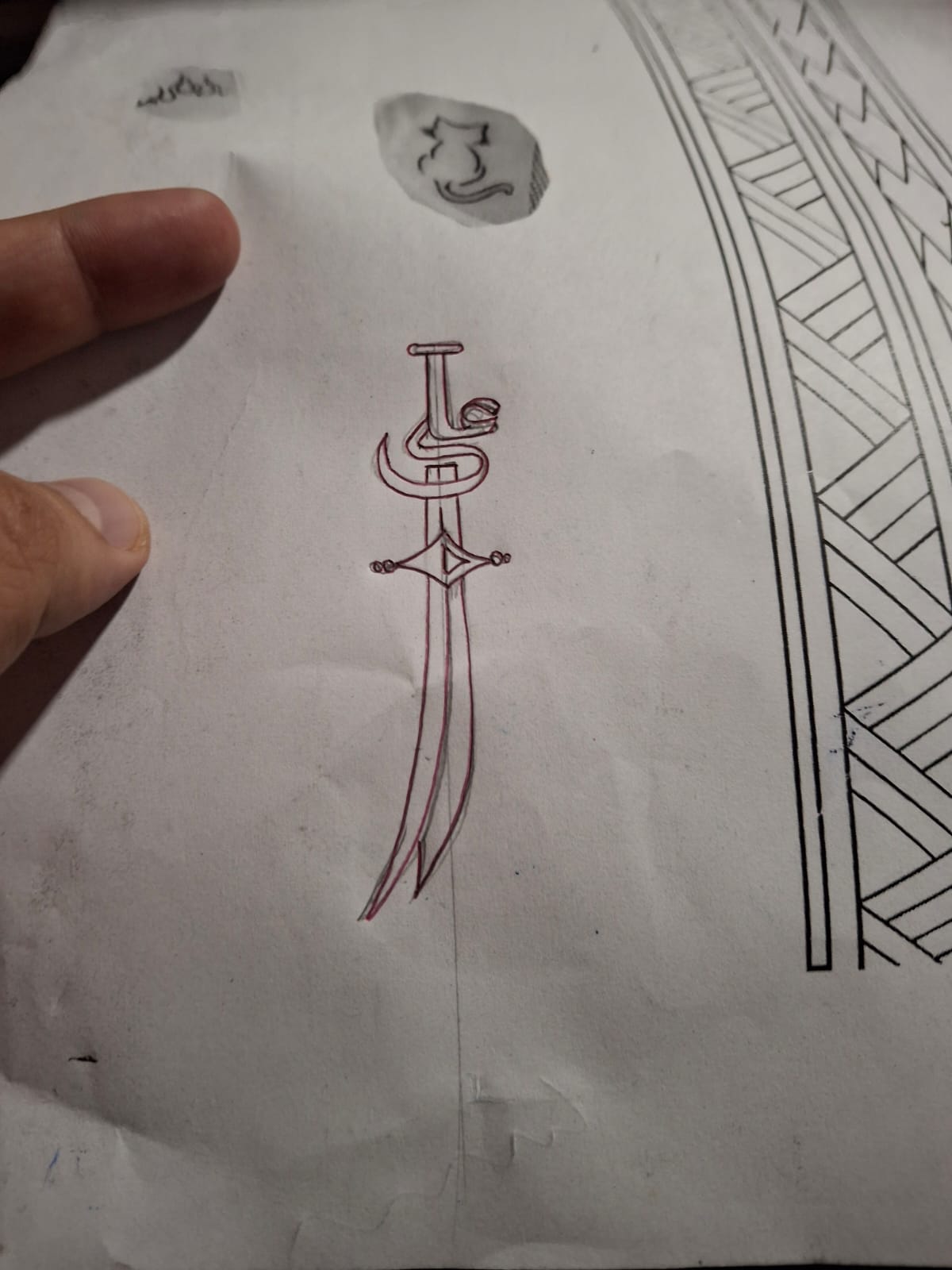
Japanese dragon tattoo linework by Ruby at Devil Art Studio Lahore

What Makes Japanese (Irezumi) Tattoos Different

Traditional Japanese tattooing is built around strong linework, negative space, and background elements like clouds, waves or wind bars that carry the main motif across the body rather than sitting as an isolated image. It rewards patience: most authentic pieces are planned as sleeves or back pieces rather than single small tattoos, since the composition depends on flow across the whole area. You can read more about the style’s history and meaning on our Japanese tattoo meaning guide.

Popular Japanese Tattoo Motifs

Dragons, koi fish, phoenixes, cherry blossoms and waves remain the most requested motifs, each carrying its own symbolism, strength and resilience for dragons, transformation for koi, rebirth for the phoenix. Ruby works with clients to choose a motif that fits both their story and the placement they have in mind, rather than picking a design off a generic reference sheet.
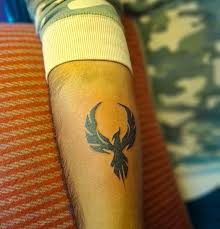
Japanese phoenix tattoo on forearm by Devil Art Studio Lahore

Ruby’s Approach to Japanese-Style Tattoos in Lahore

Ruby’s background in detailed, disciplined linework translates naturally into Japanese-style tattooing, where clean outlines and confident shading make the difference between a piece that looks intentional and one that looks rushed. Every Japanese-style project starts with a proper design consultation, sketching flow and placement before any stencil is applied.

Placement and Sizing for Japanese Tattoos

Because Japanese designs rely on flow, forearm, upper arm, full sleeve and back placements tend to work best. Smaller Japanese-inspired motifs can still work on the calf or shoulder, but the larger the canvas, the more the composition can breathe the way the style intends.

Session Planning for Large Japanese Pieces

Sleeve and back pieces are almost always completed across multiple sessions. Ruby will map out a rough session plan upfront, so you know how many visits to expect and can budget both time and cost accordingly. You can see typical costs for larger custom work on our tattoo price guide.

Frequently Asked Questions

Do I need a large area of skin for a Japanese tattoo?

Not necessarily, but larger areas like the forearm or back let the composition and flow of the style show properly.

How many sessions does a Japanese sleeve take?

Most sleeves are completed across several sessions, planned upfront so healing time is factored in between visits.

Can Ruby design something original rather than a stock design?

Yes, Ruby regularly designs custom Japanese-style compositions built around a client’s chosen motif and placement.

What motifs are most popular right now?

Dragons, koi fish and phoenix designs remain the most requested, often combined with waves or cloud background elements.

Does a Japanese-style tattoo cost more than a standard design?

Larger, detailed Japanese pieces generally cost more due to the time and planning involved, but pricing depends on size and placement.

How do I book a consultation with Ruby?

Message us on WhatsApp with your motif idea and preferred placement, and we will schedule a design consultation.

If you want a Japanese tattoo in Lahore built with real attention to composition and tradition, Ruby at Devil Art Studio is ready to help you plan it properly.
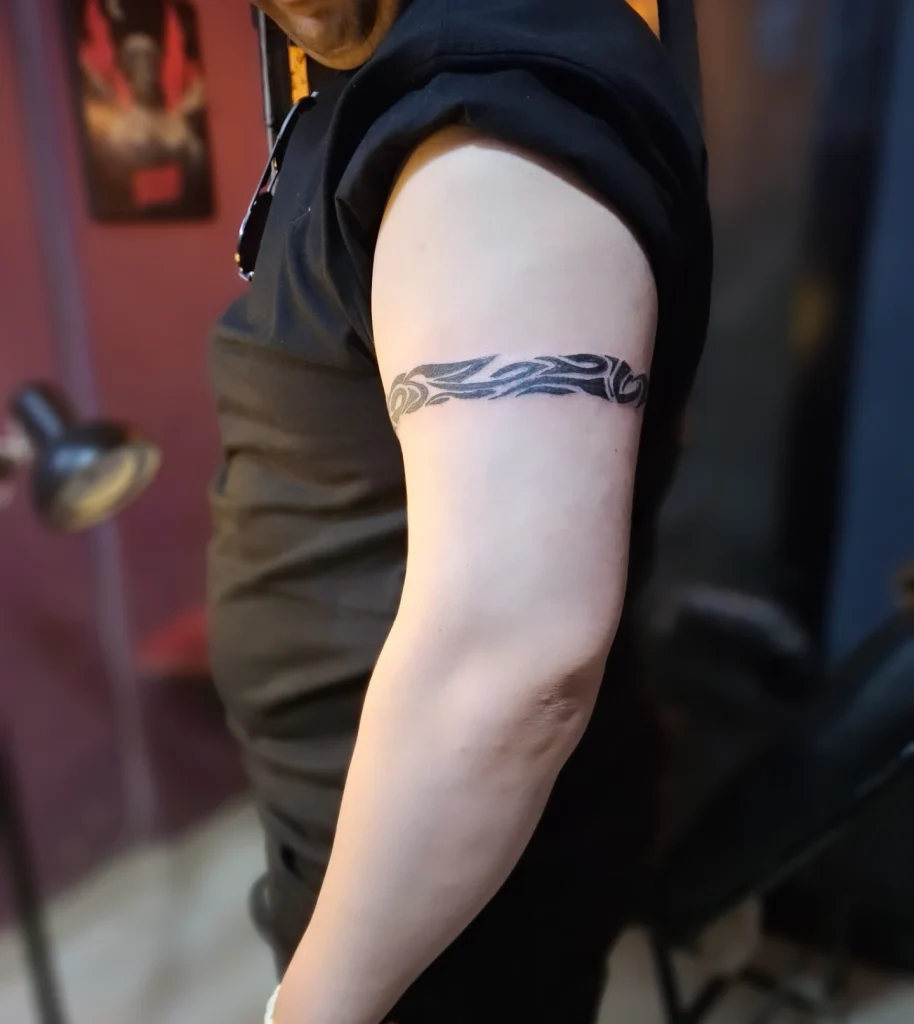
Japanese Tattoo Lahore | Bold Japanese-Inspired Tattoo Art at Devil Art Studio

japanese tattoo in lahore arm band
Japanese tatoto in lahore

Japanese tattoo art, often referred to as Irezumi, is one of the most recognizable and enduring styles in the world of tattooing. Built around bold outlines, dynamic movement, and symbolic imagery like dragons, koi fish, waves, and cherry blossoms, this style tells a visual story across large sections of the body rather than existing as an isolated image. In Lahore, interest in Japanese-inspired tattoos has grown steadily as more clients look for large-scale pieces with strong narrative and visual impact.

What sets Japanese-style tattooing apart from many other traditions is its emphasis on composition. A single koi fish or dragon is rarely tattooed in isolation; instead, it’s typically surrounded by background elements like waves, clouds, or wind bars that help the main subject flow naturally around the body’s contours. Getting this composition right requires an artist who understands not just how to draw the central image, but how to build an entire scene around it.

Dragons are one of the most requested subjects within this style, symbolizing strength, wisdom, and protection in Japanese folklore. A well-executed dragon tattoo relies heavily on confident, unbroken linework to capture the sense of movement through the body and tail, along with detailed scale work and shading that gives the creature depth and dimension.

Devil Art Studio’s artists bring strong linework skills to bold, symbol-driven designs like this, which translates well into Japanese-inspired requests. While every artist has their own specialty, the studio’s experience with confident outline work and structured composition means clients interested in Japanese-style pieces can expect a design process that pays close attention to flow, symmetry, and how the piece will sit on the body as it moves.

Koi fish are another staple of the style, often representing perseverance and transformation. These designs typically wrap around the arm or leg to create a sense of swimming motion, and they require careful attention to scale patterns and fin detail to avoid looking flat or static once finished.

Cherry blossoms, or sakura, are frequently used as background filler within larger Japanese-style pieces, symbolizing the fleeting nature of life. Even though they often play a supporting role compositionally, getting the density and placement of blossom clusters right is important for maintaining balance across a larger tattoo.

Wave patterns, inspired by traditional Japanese woodblock art, are commonly used to fill negative space around a central subject like a dragon or koi. These wave designs need to feel dynamic rather than repetitive, which again comes down to an artist’s ability to vary line weight and curve direction throughout a large-scale piece.

Because Japanese-style tattoos are often large in scale, spanning a full sleeve, back piece, or leg piece, they typically require multiple sessions to complete properly. Devil Art Studio works with clients to plan out these larger projects in stages, mapping the overall composition first before filling in detail work session by session.

Clients considering a Japanese-inspired tattoo in Lahore should come prepared with reference images and a sense of which symbols matter most to them, since the studio’s artists will use these references to build a custom composition rather than copying a single stock design directly onto skin.

Placement planning is especially important for this style given how much visual flow depends on how the piece wraps around the body. A dragon or koi design intended for a full sleeve will be planned very differently from the same subject condensed onto a smaller area like the forearm or calf.

Beyond dragons and koi, some clients also request other Japanese-inspired motifs such as phoenixes, tigers, or foo dogs, each carrying its own symbolism within the tradition. Regardless of subject, the same principles apply: confident outlines, thoughtful background elements, and a composition that respects how the design will move with the body over time.

If you’re interested in exploring a Japanese-style tattoo at Devil Art Studio, the best starting point is a consultation where you can discuss your preferred subject matter, scale, and placement. The team is happy to review reference images you’ve collected, explain how a specific motif might be adapted to fit your chosen area, and give you an honest read on scale and timeline before any work begins.

Japanese Tattoos in Lahore – Traditional Irezumi Designs

Japanese Tattoos in Lahore – Traditional Irezumi Designs

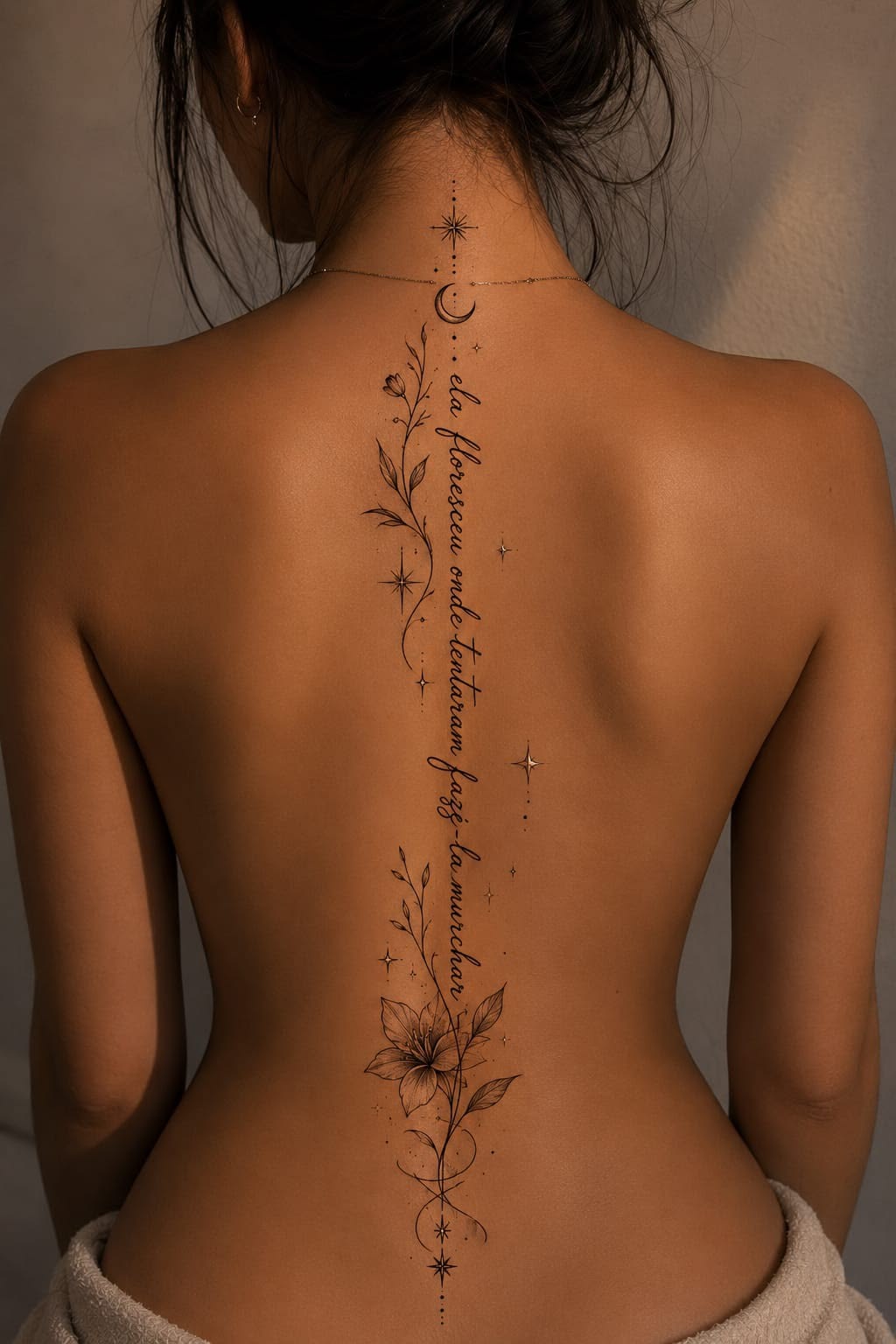
Large-scale flowing floral and cursive script tattoo along the back, an example of large canvas back-piece tattoo work

Japanese tattooing, known traditionally as Irezumi, is one of the most storied and symbolically rich tattoo styles in the world. Characterized by bold outlines, dynamic composition, and deep cultural symbolism, Japanese tattoos have found a growing audience among tattoo enthusiasts in Lahore who want large-scale, meaningful artwork. Here is a complete look at Japanese tattoo style, symbolism, and what to expect when getting one done.

The History and Meaning Behind Irezumi

Traditional Japanese tattooing has roots stretching back centuries, originally used to signify status and spirituality, and later becoming recognized worldwide as a highly respected art form known for its bold composition and rich iconography. Each motif within Japanese tattooing carries specific symbolic meaning, making this style as much about storytelling as visual impact.

Popular Japanese Tattoo Motifs

Common Irezumi imagery includes koi fish, which represent perseverance and strength in overcoming adversity, dragons symbolizing wisdom and power, cherry blossoms representing the beauty of life’s impermanence, waves and wind bars used to create dynamic movement throughout a piece, and tigers or foo dogs symbolizing protection and courage. Many clients choose a combination of these elements to build a personal narrative within the design.

Large-Scale Composition and Flow

Unlike many Western tattoo styles that focus on a single contained image, Japanese tattooing is built around composition and flow across large areas of the body, such as full sleeves, back pieces, or side body panels. Background elements like clouds, waves, and wind bars are used deliberately to connect separate motifs into one cohesive, flowing design that follows the body’s natural shape and movement.

Choosing the Right Design for You

Because Japanese tattoos are traditionally large in scale and rich in symbolism, choosing the right combination of motifs is an important part of the process. Our artists take time to discuss what each symbol represents and how different elements can be combined thoughtfully, rather than simply layering unrelated imagery together. Whether you want a full back piece or a smaller single motif inspired by Irezumi style, we help design something that respects the tradition while reflecting your personal story.

The Japanese Tattoo Process at Devil Art Studio

Given the scale and detail involved, Japanese tattoos are typically planned and completed across multiple sessions. We start with a detailed consultation and custom sketch, refining composition and placement before any linework begins. Bold outlines are typically tattooed first, followed by shading and background elements in subsequent sessions, allowing the piece to be built up gradually with consistent quality throughout.

Black and Grey vs Traditional Color

Japanese tattoos can be done in classic bold color, traditional black and grey, or a blended approach depending on personal preference. Bold color versions tend to closely follow traditional Irezumi aesthetics, while black and grey interpretations offer a more subdued, modern take on the same imagery and composition.

Caring for a Large-Scale Japanese Tattoo

Because Japanese pieces often cover large areas, proper aftercare across the entire healing process is essential. Keep the area clean, moisturized, and protected from sun exposure, and avoid tight clothing that may rub against fresh linework. Given the multi-session nature of these pieces, consistent aftercare between sessions also helps maintain even healing across the whole design.

Start Your Japanese Tattoo Journey in Lahore

If you are drawn to the bold composition and deep symbolism of Japanese tattooing, Devil Art Studio in DHA Lahore offers the planning, patience, and artistic skill this style demands. Book a consultation with our team to begin designing a piece rooted in tradition and personal meaning.