Areola Pigmentation & Nipple Tattooing in Lahore: Complete Guide to 3D Areola Restoration

For many women in Lahore, the areola is one of the most emotionally significant parts of the body to restore after mastectomy, breast reduction, augmentation, or simply due to genetic pigmentation loss. Areola tattoo Lahore services using 3D medical tattooing have become a trusted, non-surgical way to recreate a natural, dimensional areola-nipple complex that looks remarkably real in clothing and swimwear alike.

What Is 3D Areola Restoration?

3D areola restoration is a specialised branch of paramedical tattooing that uses shading, highlights, and precise pigment layering to recreate the illusion of a raised, three-dimensional nipple and naturally toned areola on flat or reconstructed skin. Unlike a standard tattoo, this technique relies on an understanding of anatomy, light, and shadow so the final result blends seamlessly with the surrounding skin tone, even under close inspection.

Who Benefits From Areola Tattooing?

Women seeking this treatment in Lahore typically fall into a few categories: those recovering from mastectomy or breast reconstruction surgery, women who have lost natural pigmentation due to surgery or medical conditions, and clients who simply want to even out asymmetry or restore colour that has faded over time. It is a deeply restorative treatment, often marking an important final step in a woman’s recovery journey, and many clients describe it as the moment they finally feel whole again after surgery.

The 3D Areola Restoration Process

Every treatment begins with a private, one-on-one consultation where skin tone, healed tissue, and personal preferences are assessed. A custom pigment blend is mixed to match the client’s natural skin undertone as closely as possible. Using sterile, single-use needles and medical-grade pigments, the artist builds up colour in soft layers, adding subtle shading around the edges to create depth and a nipple-like projection even on completely flat skin. Most sessions take between 60 and 120 minutes depending on the size and complexity of the area, and clients are welcome to bring reference photos of their natural pigmentation from before surgery if available.

What Makes 3D Tattooing Different From a Regular Tattoo?

Regular tattoos use bold outlines and flat colour blocks, while areola tattooing is built entirely on realism. The artist studies how light falls on a natural areola and nipple, then layers warm and cool pigment tones to mimic that same effect on skin. No two clients receive an identical design; every areola is custom-shaped, shaded, and sized to match the client’s remaining breast tissue and body proportions, which is why choosing an artist with specific paramedical training matters so much.

Does It Hurt, and Is It Safe?

Because the treated area often has reduced sensation following surgery, most clients describe the sensation as mild pressure rather than pain. For clients with intact sensitivity, a topical numbing cream is used to keep the session comfortable. All equipment is single-use and sterilised, and consultations always include a full skin assessment beforehand to check for any contraindications such as active infection or unhealed incisions.

Healing Timeline and Aftercare

Initial colour appears bold and settles to its true tone over 7 to 14 days as the skin heals. Light scabbing or dryness is normal and should never be picked. Clients are advised to keep the area clean, apply the recommended aftercare balm, and avoid swimming, saunas, and direct sun exposure for at least two weeks. A touch-up session 6 to 8 weeks later ensures the pigment is even and long-lasting.

How Much Does Areola Tattooing Cost in Lahore?

Pricing depends on the complexity of the case, whether both sides need matching, and whether any scar camouflage work is needed alongside the pigmentation. Because every client’s anatomy and healing history is different, an accurate quote can only be given after an in-person or video consultation. We always recommend booking a consultation first rather than comparing prices blindly, since the quality of shading and colour matching makes the biggest difference to the final result.

Why Choose Devil Art Studio for Areola Tattoo in Lahore

Devil Art Studio is one of the few paramedical tattoo studios in Lahore with dedicated experience in areola and nipple restoration. Our artists are trained in colour theory, medical hygiene protocols, and the specific techniques needed to recreate a convincing 3D effect on all skin tones. Every client is treated with privacy, dignity, and compassion throughout their journey. For general background on areola-nipple reconstruction as part of breast surgery recovery, resources like the American Society of Plastic Surgeons offer helpful medical context, and our studio is happy to coordinate aftercare guidance alongside your surgeon’s recommendations.

Frequently Asked Questions

How long does the colour last? Results typically last 2 to 5 years before a refresh session is recommended, depending on skin type and aftercare.

Can both sides be matched if one areola is different? Yes, matching asymmetrical areolas is one of the most common and successful applications of this treatment.

Is a patch test required? A skin sensitivity check is carried out during your consultation to ensure the pigments used are suitable for you.

Will insurance or my surgeon’s clinic cover this? Some reconstructive cases are eligible for coverage depending on your surgeon and insurer, so it is worth asking your medical team before booking privately.

Book Your Consultation

If you are considering areola tattoo Lahore services, reach out to Devil Art Studio for a confidential, no-pressure consultation. Message us on WhatsApp at 0333 2999499 or visit our Instagram www.instagram.com/devilartstudiolahore to see real client results and ask questions before booking.

#AreolaTattooLahore #3DAreolaRestoration #ParamedicalTattooLahore #NippleTattoo #BreastReconstructionTattoo #MedicalTattooLahore #DevilArtStudio #WomenHealthLahore
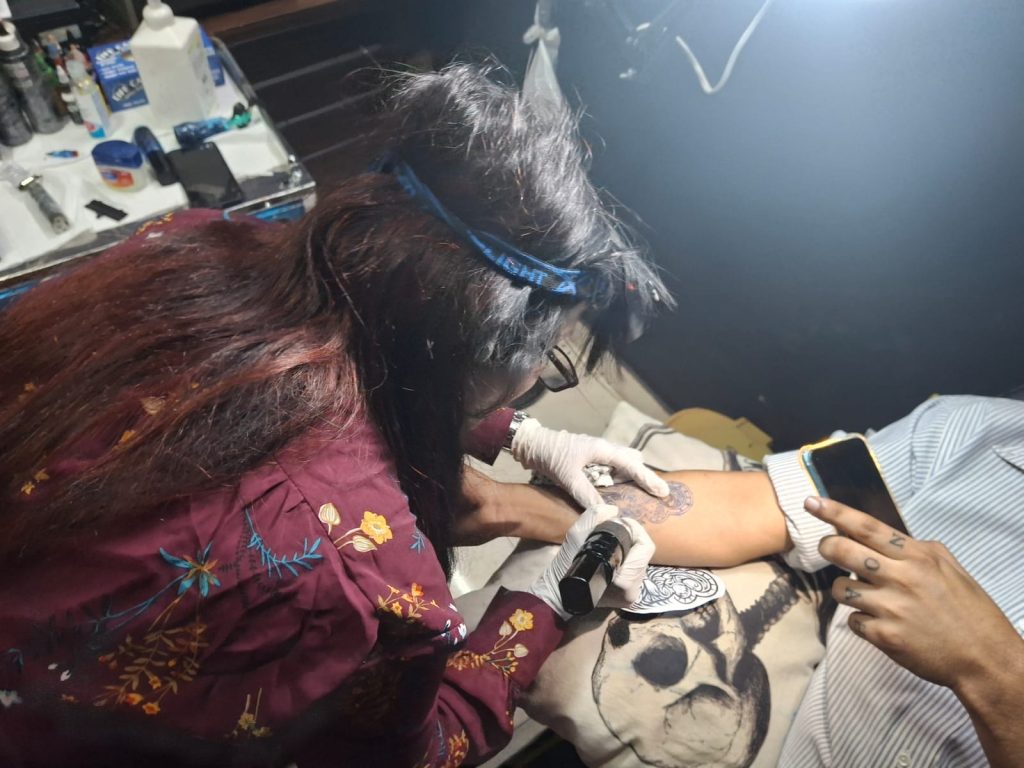
Paramedical tattoo artist performing areola tattoo Lahore consultation at Devil Art Studio

Quality Scalp Micropigmentation in Lahore | Devil Art Studio

Hair loss can affect confidence long before it changes how you look in a photograph, which is why a growing number of men and women in Lahore are searching for quality scalp micropigmentation instead of relying on sprays, concealers, or hats to hide thinning patches. At Devil Art Studio in DHA Phase 7, scalp micropigmentation (SMP) is approached with the same precision, hygiene, and consultation process we use for our custom tattoo work, so the final result looks like natural hair density rather than an obvious treatment.

What Is Scalp Micropigmentation?

Scalp micropigmentation is a non-surgical treatment that deposits thousands of tiny, hair-like pigment dots into the scalp to recreate the look of closely cropped hair or fill in a thinning crown. Unlike a solid tattoo, SMP uses fine needles, shallow depth, and specially formulated pigment so each dot mimics an individual hair follicle rather than sitting on the skin as a flat block of colour. When it is done well, the result blends with your natural hair colour, skin tone, and hairline shape instead of looking like an obvious treatment.

Why Quality Matters More Than Price

Not every scalp studio in Lahore treats SMP with the same level of care. Quality scalp micropigmentation depends on the technician’s understanding of hairline design, the precision of dot placement, and strict sterilisation between clients. A rushed session can leave dots that look too uniform, too dark, or positioned unnaturally against your existing hairline. At Devil Art Studio, every SMP consultation is treated the way we treat a fine-line tattoo consultation: slowly, with a plan mapped out before the machine ever touches your skin.

Who Benefits From Scalp Micropigmentation

  • Men and women with early-stage thinning or a receding hairline
  • Clients with pattern baldness who want visual density without a hair transplant
  • People camouflaging scarring from previous hair transplants or injuries
  • Anyone who wants a low-maintenance alternative to concealer sprays and fibres

The Devil Art Studio SMP Process

Every SMP treatment starts with a consultation where we study your hair pattern, skin tone, and face shape to design a hairline that looks like it could have grown in naturally. We photograph and map the treatment area, agree on the density and shape you want, and only then begin the first session. Sessions are spaced across multiple visits so we can build up pigment density gradually, check how your skin has healed, and fine-tune the tone before calling the treatment complete. Needles, gloves, and pigment cups are single-use, and all equipment is sterilised to the same standard we use for our tattoo clients.

Why Choose Devil Art Studio for SMP in Lahore

Devil Art Studio has tattooed clients from across Lahore for over a decade from our DHA Phase 7 location. Because we work strictly by appointment, your SMP session is unhurried and private, with the same lead artist available for consultation, mapping, and touch-ups rather than being passed between different technicians. That continuity is often what separates natural-looking results from patchy ones.

Aftercare and How Long Results Last

For the first few days after a session, the scalp should be kept dry, out of direct sun, and free of sweat-heavy exercise so the pigment can settle evenly. Mild redness typically fades within a week, and the true tone of the SMP becomes visible once any initial darkness softens. Results generally last three to five years before a touch-up session is needed to refresh density, since pigment fades gradually rather than disappearing all at once.

Frequently Asked Questions

Is scalp micropigmentation painful? Most clients describe it as mild discomfort similar to a tattoo over a bony area, and numbing options can be discussed during consultation.

How many sessions will I need? Most treatment plans involve two to four sessions spaced a few weeks apart, depending on how much density or hairline correction you need.

Will it look like a real hairline? When the dot pattern, pigment tone, and hairline shape are planned properly, SMP is designed to be difficult to distinguish from natural hair at a normal viewing distance.

Can women get scalp micropigmentation too? Yes, SMP is used by women to create the appearance of density along a wider parting or thinning crown, not only for men going for a fully shaved look.

Fine detail precision pigment work by Devil Art Studio Lahore, the same steady technique used for scalp micropigmentation in DHA Phase 7
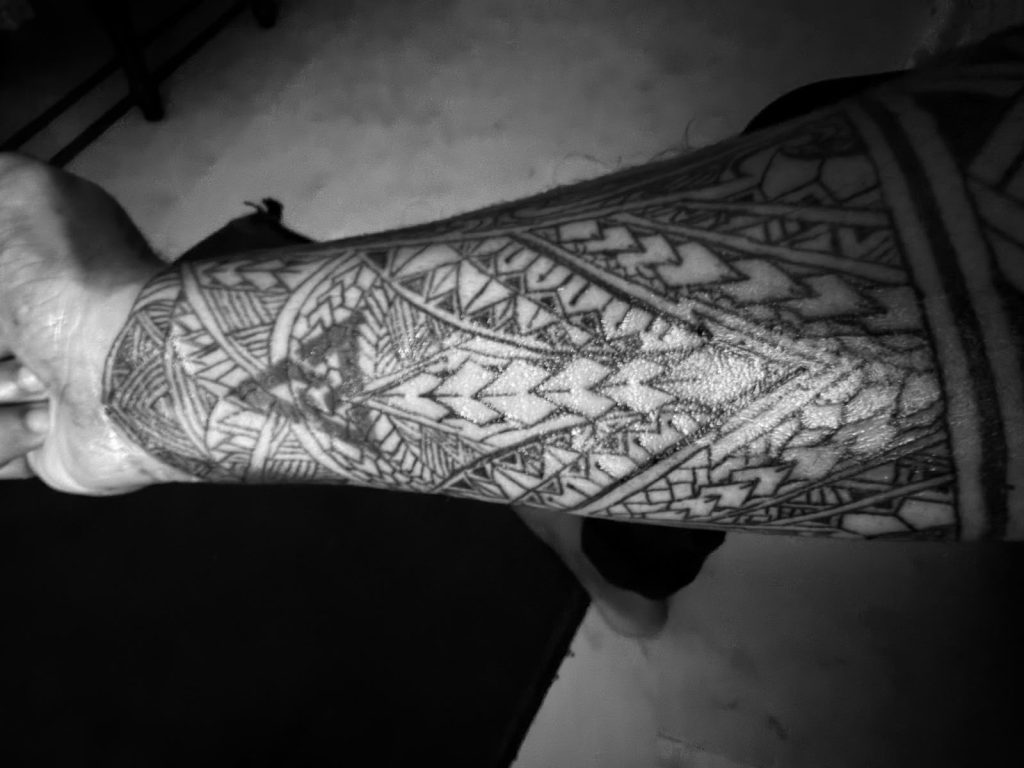
Black and grey tribal sleeve tattoo close up by a leading tattoo artist in Lahore

Ready to talk about your hairline or thinning crown? Message Devil Art Studio on WhatsApp to book a private scalp micropigmentation consultation in DHA Phase 7, Lahore.

Follow our day-to-day tattoo and paramedical work on Instagram for real client transformations from our DHA Phase 7 studio in Lahore.

Explore More of Devil Art Studio

Read our complete guide to Scalp Micropigmentation (SMP) in Lahore for cost and healing details, learn more about our Paramedical Tattoo services, or visit our Contact page to plan your visit to Devil Art Studio in DHA Phase 7, Lahore.

Vitiligo Tattoo Lahore | Vitiligo Repigmentation at Devil Art Studio

Custom tattoo work at Devil Art Studio, Lahore

Vitiligo is a skin condition that causes patches of skin to lose their natural pigment, resulting in lighter or white areas that contrast with the surrounding skin tone. For many people living with vitiligo, these patches can affect confidence, especially when they appear on visible areas like the hands, face, or arms. Vitiligo repigmentation tattooing is a specialized cosmetic tattoo technique that Devil Art Studio in Lahore offers to help even out this contrast using carefully matched pigment.

Unlike a decorative tattoo, vitiligo repigmentation is entirely about color matching. The artist’s job is to introduce pigment into the depigmented patch that blends convincingly with the client’s natural surrounding skin tone, so the affected area becomes far less visually distinct rather than standing out as a lighter patch.

This is one of the more technically demanding forms of cosmetic tattooing, since skin tone is rarely a single flat color. Natural skin has subtle variations, undertones, and texture that a flat pigment application would fail to replicate convincingly. Devil Art Studio’s approach to vitiligo work involves blending multiple pigment tones and building up color gradually to mimic this natural variation as closely as possible.

Not every vitiligo patch is equally suited to repigmentation tattooing. Areas with stable, well-defined patches that haven’t changed significantly in size for an extended period tend to respond best to this treatment. Vitiligo that is still actively spreading or changing can make it harder to achieve a lasting, consistent result, so Devil Art Studio discusses the stability and history of a client’s condition carefully during consultation.

Skin texture within vitiligo patches can sometimes differ slightly from surrounding pigmented skin, which is another factor the artist accounts for when planning treatment. This is part of why an initial consultation, ideally with clear photos taken in natural light, is an important first step before any pigment work begins.

Sun exposure and skin changes over time are practical realities that clients should understand going into this treatment. Skin tone can shift somewhat with seasonal sun exposure, which means repigmentation results may need occasional touch-ups to stay closely matched to the surrounding skin, particularly for clients whose natural skin tone changes noticeably between seasons.

Because vitiligo often affects visible areas like the hands, forearms, or face, many clients seeking this treatment are looking for a meaningful improvement in day-to-day confidence rather than a purely cosmetic upgrade. Devil Art Studio’s team approaches these consultations with sensitivity, understanding that vitiligo can carry significant emotional weight for many clients, especially when patches are in highly visible locations.

Treatment is typically carried out over multiple sessions rather than all at once. This staged approach allows the artist to check how the initial pigment settles into the skin, make adjustments to the tone or coverage, and build toward the most natural, even result rather than risking an uneven application in a single long session.

Aftercare instructions for vitiligo repigmentation are similar in some ways to standard tattoo aftercare but require extra attention to sun protection, since UV exposure can affect how the pigment ages compared to the client’s naturally pigmented skin nearby. Clients are given specific guidance on this during the healing period and beyond.

It’s worth setting realistic expectations from the outset: repigmentation tattooing is a cosmetic technique that addresses the visual contrast of vitiligo patches, not a medical treatment for the underlying condition itself. Devil Art Studio is always transparent about this distinction so clients understand exactly what the procedure can and cannot do.

If you’re in Lahore and living with vitiligo, and you’re interested in exploring repigmentation tattooing to reduce the contrast of specific patches, Devil Art Studio’s team can walk you through an honest assessment of your specific case. Reach out to book a private consultation and discuss whether this treatment could be a good fit for you.

Scar Cover Up Tattoo Lahore | Scar Camouflage Tattoos at Devil Art Studio

Stretch mark camouflage tattoo result on abdomen in Lahore

Scar camouflage tattooing is a specialized technique that uses pigment matched closely to a client’s natural skin tone to reduce the visibility of scars, rather than covering them with a decorative design. This is a different service from a traditional cover-up tattoo, and it’s one of the more precise, medically-adjacent procedures offered at Devil Art Studio in Lahore.

The goal of scar camouflage is subtlety. Instead of drawing attention to the area with a bold new design, the technique blends pigment into the scar tissue and surrounding skin so the scar becomes far less noticeable at a glance, particularly from a normal viewing distance in everyday lighting.

This approach works well for a wide range of scar types, including surgical scars from procedures like C-sections, stretch marks from pregnancy or rapid weight change, and scarring from past injuries or accidents. Each of these scar types behaves differently in terms of texture and how it absorbs pigment, so treatment is never approached with a one-size-fits-all method.

Skin tone matching is the most technically demanding part of scar camouflage work. Scar tissue often has a different texture and sometimes a different color than the surrounding skin, appearing lighter, pinker, or occasionally darker depending on the individual and the scar’s age. Devil Art Studio’s specialists blend custom pigment shades specifically for each client, often testing small areas before committing to the full treatment.

Stretch mark camouflage has become one of the more requested services within this category, especially among clients who developed stretch marks from pregnancy and want a way to soften their appearance without surgery. The pigment is applied along the stretch mark lines to help them blend into the surrounding skin tone, reducing the contrast that makes stretch marks visually noticeable.

C-section scar camouflage follows a similar principle, focusing on the horizontal scar line left after the procedure. Because this scar sits in an area that’s often exposed during swimwear or certain clothing, many clients seek this treatment specifically to feel more confident in situations where the scar would otherwise be visible.

Texture is a factor that pigment alone cannot fully address. Raised, pitted, or heavily textured scars may still show some physical texture even after camouflage work, since the technique addresses color rather than the physical shape of the scar. Devil Art Studio is upfront about this distinction during consultation, so clients understand realistically what camouflage tattooing can and cannot change.

Healing time and the number of sessions required depend heavily on the scar’s age, size, and how it responds to the initial pigment application. Older, more settled scars often respond differently than newer scar tissue, and Devil Art Studio typically recommends waiting until a scar has fully matured, generally at least a year old, before beginning camouflage work for the best long-term results.

Multiple sessions are often necessary to achieve the most natural, even blend, since pigment can settle unevenly on scar tissue during the first application. Follow-up sessions allow the specialist to assess how the color has healed and make refinements to improve the overall blend with surrounding skin.

Clients considering this service should bring clear photos of the scar in natural lighting when reaching out for an initial consultation, which helps the studio assess the scar’s texture, color, and age before scheduling an in-person appointment to discuss the treatment plan in detail.

If you’re in Lahore and dealing with a scar you’d like to camouflage, whether from surgery, stretch marks, or an old injury, Devil Art Studio’s team can walk you through a realistic assessment of what camouflage tattooing can achieve for your specific scar. Reach out to schedule a private consultation and start the conversation.

Areola Tattoo Lahore | 3D Areola Restoration at Devil Art Studio

3D areola tattoo restoration result in Lahore

Areola tattooing, sometimes called 3D areola restoration, is a specialized cosmetic tattoo procedure designed to recreate the natural appearance of the areola and nipple, most commonly for clients who have undergone breast reconstruction surgery following a mastectomy. This is one of the more delicate and medically-adjacent services offered at Devil Art Studio in Lahore, requiring a very different skill set than decorative tattoo work.

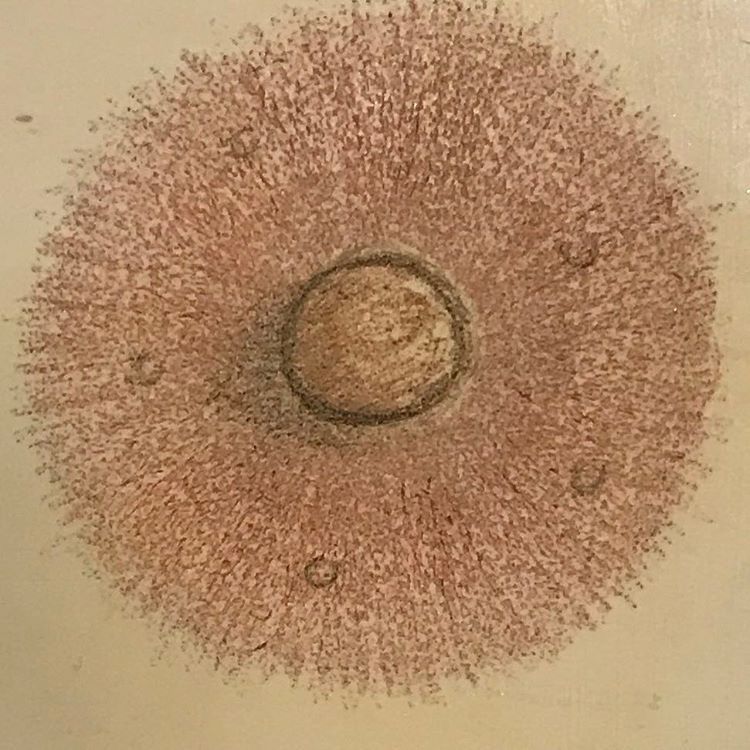
Unlike traditional tattoos, areola restoration is built around realism rather than artistic interpretation. The goal is to recreate natural coloring, subtle shading, and the three-dimensional appearance of a nipple and areola using pigment layering and shading techniques, so the final result blends naturally with the surrounding skin rather than looking like an obvious tattoo.

Color matching is one of the most important parts of this process. Every client’s skin tone and natural pigmentation differ, so the artist has to carefully blend custom pigment shades to match what looks natural for that individual, rather than applying a single standard color across every client. This often involves testing shades and making small adjustments before starting the actual procedure.

The 3D effect in areola tattooing comes from strategic shading rather than any raised or textured application. By using lighter and darker tones in specific patterns, a skilled artist can create the illusion of a raised nipple and natural areola texture on a flat surface, even when there’s no physical nipple projection remaining after reconstructive surgery.

Many clients seeking areola tattoos at Devil Art Studio are recovering from mastectomy and reconstruction, and for these clients, this procedure often represents an important final step in feeling whole again after a long and difficult medical journey. Devil Art Studio’s team approaches these sessions with sensitivity, understanding that this work carries emotional weight well beyond the technical tattooing itself.

Areola tattoos are also sometimes requested by clients addressing asymmetry, scarring, or pigmentation loss unrelated to mastectomy, including certain congenital conditions or the effects of previous surgeries. Each case is assessed individually, since the starting point for scarring, skin texture, and existing pigmentation varies significantly from client to client.

Consultation for this procedure typically involves a detailed discussion of medical history, the current condition of the skin, expectations for the final look, and photos for reference if the client wants to recreate a specific prior appearance. Because this is a more clinical procedure than standard tattoo work, this conversation tends to be more thorough than a typical tattoo consultation.

Healing and aftercare for areola tattoos require particular attention, since the skin in this area post-surgery can behave differently than skin elsewhere on the body, especially if there’s scar tissue or altered sensation from the reconstruction process. Devil Art Studio provides detailed aftercare guidance specific to this procedure, including how to protect the area during the initial healing period.

Because pigment can settle and fade slightly differently on reconstructed skin compared to standard skin, a touch-up session some weeks after the initial procedure is often part of the process, allowing the artist to assess how the color has healed and make any adjustments needed to achieve the most natural, even result.

Privacy and comfort are treated as a priority throughout this entire process. Clients are given a calm, private setting for consultations and sessions, and the studio ensures that every step, from initial discussion to the final touch-up, respects the personal nature of this procedure.

If you’re in Lahore and considering areola tattoo restoration following mastectomy, reconstruction, or another medical circumstance, Devil Art Studio’s team is available to discuss your specific situation with care and discretion. Reach out to schedule a private consultation and learn more about what the process would look like for you.

It’s worth noting that areola tattooing is a highly specialized skill within the broader tattoo industry, and not every studio offers it. Devil Art Studio treats this as a distinct service from standard body art, with artists who have specifically trained in the shading and color-matching techniques this procedure requires, rather than applying general tattooing experience to a very different type of work.

Every consultation begins with a private, judgment-free conversation about your goals and medical history, so the studio can give you an honest sense of what result is achievable in your specific case before any appointment is booked.

SMP Lahore | Scalp Micropigmentation at Devil Art Studio

Hairline tattoo SMP treatment in progress in Lahore

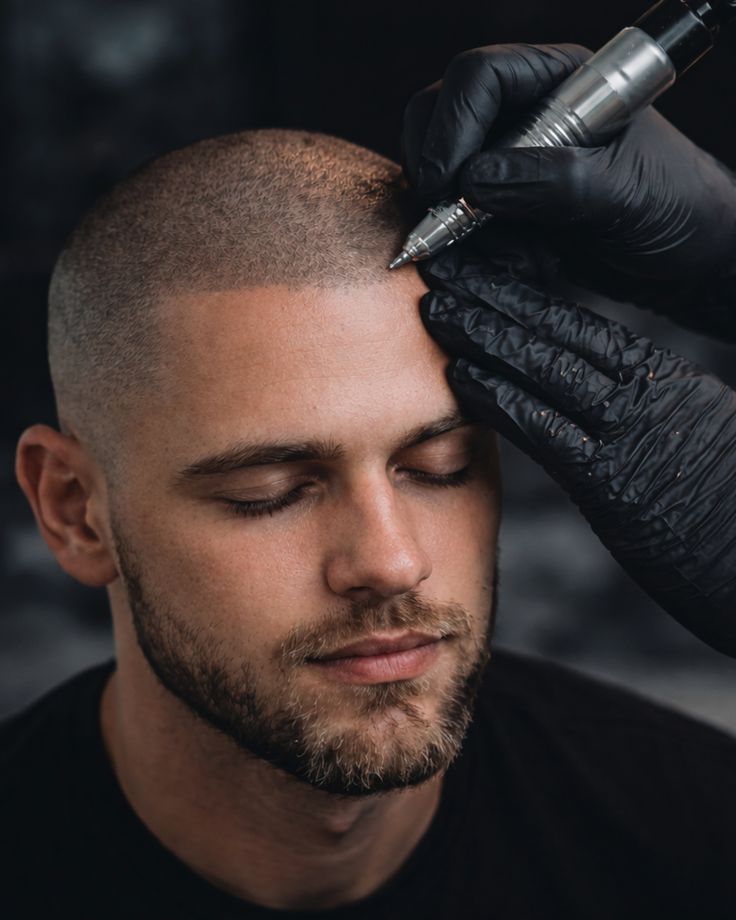
Scalp micropigmentation, often shortened to SMP, is a specialized technique that uses tiny deposits of pigment to replicate the appearance of hair follicles on the scalp. Unlike a traditional tattoo, SMP is designed to look like natural hair stubble or a filled-in hairline rather than a solid design, which requires a completely different approach to needle depth, dot placement, and pigment choice. At Devil Art Studio in Lahore, SMP has become a popular option for clients dealing with thinning hair, receding hairlines, or scarring from previous hair transplants.

The appeal of SMP lies in how natural it can look when done correctly. Rather than covering the scalp with a flat block of color, a skilled SMP artist builds up thousands of tiny, precisely placed dots that mimic the irregular, layered look of real hair follicles. This attention to detail is what separates a convincing SMP treatment from one that looks obviously artificial, especially up close or under bright lighting.

One of the most common reasons clients seek out SMP is to address a receding or thinning hairline. By carefully mapping out a new hairline that suits the client’s face shape and existing hair pattern, Devil Art Studio’s SMP specialists can create the visual effect of a fuller, more defined hairline without any surgery or downtime beyond typical aftercare.

SMP is also frequently used to camouflage scarring from hair transplant procedures, particularly linear scars left behind by strip harvesting methods or the small dot scarring from FUE extraction. Pigment is carefully matched and layered into the scarred area so that it blends with the surrounding scalp and existing hair, making the scar far less noticeable.

For clients dealing with more advanced hair loss who prefer a fully shaved look, SMP can replicate the appearance of a closely shaved head with a full, even hairline. This shaved-head style of SMP tends to require broader, more uniform pigment application across the scalp rather than the more detailed, layered dot work used for hairline restoration on someone with existing hair.

Pigment selection is one of the more technical aspects of SMP work. Unlike standard tattoo ink, SMP pigments are formulated to hold a consistent, natural-looking tone as they heal and age, typically shifting toward a soft grey-black rather than fading into a blue or green tint the way traditional black tattoo ink sometimes does over the years. Getting this pigment choice right is essential for keeping results looking natural over the long term.

SMP treatments are usually done across multiple sessions rather than in a single visit. This staged approach allows the artist to build up density gradually, check how the pigment settles into the skin after initial healing, and make small adjustments in follow-up sessions to fine-tune the density and shape before considering the treatment complete.

Clients considering SMP at Devil Art Studio typically start with a consultation to discuss their hair loss pattern, desired hairline shape, and whether they’re aiming for a natural fuller-hair look or a fully shaved aesthetic. Photos of the scalp in good lighting help the specialist assess density needs and give a realistic idea of how many sessions the treatment will likely require.

Aftercare for SMP differs somewhat from standard tattoo aftercare, since the scalp heals differently than other areas of skin and the goal is to preserve a very precise, controlled level of pigment density. Clients are given specific instructions covering washing, sun exposure, and activity restrictions during the healing period to help the pigment settle evenly.

SMP is not a permanent, one-time-only solution in the same way some people assume; like any tattoo work, it can fade gradually over several years, and occasional touch-up sessions help maintain the density and sharpness of the hairline or overall coverage over time.

If you’re in Lahore and considering scalp micropigmentation, whether for a receding hairline, transplant scarring, or a fully shaved look, Devil Art Studio’s team can walk you through what’s realistically achievable based on your specific scalp and hair loss pattern. Reach out to book a consultation and get an honest assessment before committing to a treatment plan.

FUE Scar Camouflage in Lahore – Hair Transplant Scar Tattoo

Follicular Unit Extraction, better known as FUE, has become one of the most popular hair transplant techniques in Lahore, but it can leave behind hundreds of small, pale dot scars across the donor area at the back and sides of the scalp. At Devil Art Studio in DHA Phase 7, we offer specialized FUE scar camouflage tattooing that blends these tiny scars into the surrounding scalp using scalp micropigmentation technique, so close-cropped or shaved hairstyles look clean and natural again.

What Causes FUE Scarring?

Unlike the single linear scar left by strip harvesting (FUT), FUE involves removing individual hair follicles one at a time, which leaves behind tiny circular scars scattered across the donor zone. Individually these dots are small, but collectively they can create a stippled, lighter-toned patch of scalp that becomes visible whenever the hair is trimmed short, especially under bright light or at the barber’s chair. In some cases, scars can also feel slightly raised or numb to the touch, which is a normal part of how the scalp heals after follicle extraction.

How FUE Scar Camouflage Works

We use fine-needle scalp micropigmentation to deposit tiny dots of pigment matching your natural hair color directly into the scarred donor area. Each pigment dot is sized and spaced to mimic a real hair follicle, so instead of pale, shiny scar tissue, the area reads as a natural extension of your closely shaved or buzzed hairline. The technique is the same used for full scalp micropigmentation, simply applied in a more targeted, concentrated way over the donor strip.

Who Benefits Most From This Treatment

This service is popular with clients who had an FUE hair transplant months or years ago and now prefer to keep their hair very short or fully shaved. It is also a good option for men who simply want the donor area to look uniform in tone with the rest of the scalp, regardless of hairstyle. We assess each case individually, since scar visibility depends on hair density, scalp tone, and how the original procedure was performed. Women who have had FUE-based eyebrow or hairline restoration work can benefit from the same approach as well, since the underlying scarring pattern is similar.

Consultation and Skin Assessment

During your consultation, we examine the donor area closely, check how the scars have healed, and match pigment tones to your current hair color, keeping in mind that pigment does not gray the way natural hair does over time. We also discuss your preferred hairstyle going forward, since the treatment plan differs slightly for clients who plan to stay fully shaved versus those who keep a very short crop. If you are unsure how your scalp will respond, we can also perform a small test area during this visit so you can see the pigment match in person before committing to full treatment.

The Treatment Process

Sessions typically take between two and four hours depending on the size of the donor scar area, and most clients need two sessions spaced three to four weeks apart to achieve full, even density. We work in small sections, checking pigment tone and dot placement against the surrounding hair throughout the appointment to keep the result looking natural rather than artificial.

Aftercare for Scalp Pigmentation

Keep the scalp dry for the first four days, avoid direct sun, sweating, and swimming for at least two weeks, and use only the aftercare products recommended by your technician. Avoid shaving the treated area for about five days so the pigment can settle properly, and apply light moisturizer once the initial healing period has passed.

Why Choose Devil Art Studio in DHA Lahore

Since 2013, Devil Art Studio has combined artistic precision with a clinical approach to paramedical work in DHA Phase 7, Lahore. Our technicians are specifically trained in scalp micropigmentation and understand how donor scarring behaves differently from untouched scalp skin, which is essential for a natural, long-lasting result. We use sterile, single-use needles and premium pigments formulated to resist fading and undertones over time.

Frequently Asked Questions

Will this work if my scars are very light or barely visible? Yes, even faint scarring can be evened out for a more uniform look under short hair.

Does the pigment fade or change color over time? High-quality pigment fades very gradually and evenly, and we offer touch-up sessions to maintain the match with your hair color.

Can I still grow my hair longer after treatment? Yes, the pigment simply becomes less visible under longer hair and remains ready to show through whenever you cut it short again.

Is scalp micropigmentation painful on scarred skin? Most clients describe mild pressure rather than sharp pain, and scarred tissue is often less sensitive than surrounding healthy scalp.

Book Your FUE Scar Consultation

If FUE donor scarring is holding you back from wearing a short buzz cut or fully shaved look, our team at Devil Art Studio can help even out your scalp tone with expert scalp micropigmentation. Message us on WhatsApp at 0333-2999499 to book a private consultation at our DHA Phase 7 studio in Lahore.

Stretch Mark Camouflage in Lahore

Stretch marks are one of the most common skin changes we see, whether they appear after pregnancy, rapid growth during teenage years, weight changes, or muscle gain. At Devil Art Studio in DHA Phase 7, Lahore, we offer stretch mark camouflage tattooing that softens the silvery or reddish lines using fine pigment work, helping the treated area blend more naturally with the surrounding skin.

What Causes Stretch Marks?

Stretch marks form when skin stretches faster than it can naturally produce collagen, causing tiny tears in the deeper layer of skin that surface as thin lines. They commonly appear on the abdomen, hips, thighs, breasts, and upper arms, and while they fade over time from red or purple to a lighter silvery tone, they rarely disappear completely on their own.

How Stretch Mark Camouflage Works

We use a micro-needling and pigment deposit technique that introduces fine, skin-matching color into the indented, lighter-toned stretch mark tissue. This does not remove the texture of the stretch marks entirely, but it significantly reduces the contrast between the marks and surrounding skin, so they become far less noticeable at a glance or under direct light.

Who Is a Good Candidate?

Camouflage works best on mature stretch marks that have already faded to white or silver and are no longer actively changing in color. Fresh red or purple stretch marks are still healing and are not good candidates for pigment work yet, since their color and texture can continue to shift for months. We assess the age and condition of your stretch marks during consultation before recommending a treatment plan. Men considering this treatment for stretch marks from rapid muscle gain are just as welcome as clients seeking postpartum or weight-related camouflage.

Common Treatment Areas

We regularly treat stretch marks on the stomach and hips following pregnancy or weight changes, the thighs and buttocks from growth spurts or weight fluctuation, and the upper arms or breast area, which are common sites for both men and women. Each area is treated individually, since skin thickness and stretch mark depth vary across the body. Clients often combine this treatment with our C-section or general scar camouflage services when stretch marks overlap with surgical scarring in the same area.

Your Consultation and Treatment Plan

During your consultation, we examine the stretch marks closely, test how your skin responds to pigment, and build a treatment plan based on the size of the area and depth of the marks. Most clients need two to three sessions spaced four to six weeks apart to build even, natural-looking coverage without overworking the skin. Between sessions, we monitor how the pigment settles and adjust tone slightly if needed, since stretch mark skin can absorb color a little differently from session to session.

Aftercare for Stretch Mark Camouflage

Keep the treated area clean and moisturized, avoid tight clothing that rubs against fresh pigment work, and stay out of direct sun, swimming pools, and saunas for at least three to four weeks. Gentle, fragrance-free moisturizer helps the skin heal evenly and keeps the new pigment looking soft and natural.

Why Choose Devil Art Studio in DHA Lahore

Since 2013, our studio in DHA Phase 7 has worked with clients across Lahore on paramedical and decorative tattooing alike, giving our technicians a deep understanding of how different skin tones and stretch mark types respond to pigment. We use sterile, single-use needles and pigments specifically chosen for their ability to sit naturally in textured, indented skin.

Frequently Asked Questions

Does this treatment work on dark skin tones? Yes, pigment shades are custom-mixed for a wide range of skin tones, though we always test a small area first.

Will the stretch marks come back after treatment? Camouflage does not prevent new stretch marks from future weight or hormonal changes, but existing treated marks stay softened as long as the skin tone remains stable.

Is this treatment painful? Most clients describe a mild scratching sensation rather than sharp pain, and numbing options are available for larger areas.

Book Your Stretch Mark Consultation

If stretch marks are affecting your confidence, our team at Devil Art Studio would be glad to walk you through the camouflage process in a comfortable, private setting. Message us on WhatsApp at 0333-2999499 to book your consultation at our DHA Phase 7 studio in Lahore.

Self-Harm Scar Camouflage in Lahore – Compassionate Scar Camouflage Tattoo

Scars from self-harm can carry both physical and emotional weight long after the skin itself has healed. At Devil Art Studio in DHA Phase 7, Lahore, we offer a private, compassionate scar camouflage tattoo service designed to soften the visible appearance of these scars so clients can feel more comfortable in their own skin. This guide explains how the process works, who it is suitable for, and what to expect from a respectful, judgment-free consultation.

Since 2013, our team has worked with clients across DHA Phase 7 and greater Lahore on both decorative and paramedical tattooing, giving us a long-standing understanding of how different skin types in our region heal and hold pigment over time.

What Is Self-Harm Scar Camouflage Tattooing?

Self-harm scar camouflage is a specialized paramedical tattooing technique that uses custom-blended pigment to visually soften the contrast between scarred and surrounding skin. Rather than covering the area with a decorative design, the goal is to gently even out tone and texture so the scars read as far less noticeable at a normal viewing distance. It is a subtle, restorative service rather than a purely cosmetic one, and it is often chosen by clients who want to wear short sleeves, swimwear, or fitted clothing without feeling self-conscious.

Who This Service Is Designed For

This treatment is for adults who are past their healing journey and are looking for a practical way to reduce the visibility of old scarring. Many clients come to us years after their scars have formed, once they are fully settled in a healthier place and simply want their skin to reflect how they feel now. We never ask clients to justify their reasons for booking, and every conversation in our studio is treated with complete confidentiality.

When Is a Scar Ready for Camouflage?

Skin needs time to fully mature before it can safely hold pigment. As a general guideline, scars should be at least twelve months old, fully flat or stable, and no longer changing in color or texture. If you are unsure whether your scars are ready, we recommend a check-in with your doctor first, and our technicians are always happy to assess your skin honestly during a consultation rather than rushing into treatment before it is appropriate.

Our Private Consultation Process

Every client begins with a one-on-one consultation in a private area of the studio, away from the main floor. We review the age, texture, and color of the scars, talk through realistic expectations, and in many cases perform a small test patch to see how the skin accepts pigment before committing to a full plan. There is no pressure to book on the spot, and questions are always welcome.

How Pigment Matching Works on Scar Tissue

Scar tissue behaves differently from undamaged skin. It can absorb pigment unevenly, heal at a different rate, and shift slightly in tone over time. Our technicians custom-mix pigment shades to match your natural skin tone as closely as possible, often layering tone in stages across more than one session to build a soft, natural-looking result rather than a flat block of color.

What Happens During Your Session

Sessions are calm, private, and unhurried. We clean and prepare the area, apply pigment in careful, controlled passes, and check the color match against surrounding skin throughout the appointment. Depending on the size and condition of the scarring, some clients need a single session while others benefit from a short series of follow-up visits spaced several weeks apart to perfect the tone.

Aftercare and Healing Timeline

After treatment, keep the area clean and lightly moisturized, avoid direct sun and swimming for three to four weeks, and avoid picking at any surface flaking as the skin settles. Pigment typically softens slightly as it heals, which is why a follow-up session a few weeks later is often used to fine-tune the final result.

A Judgment-Free, Confidential Environment

We understand that this service touches on a sensitive and personal chapter of a client’s life. Our team treats every consultation and session with warmth, discretion, and zero judgment. Nothing discussed in the studio is shared beyond it, and clients are always in control of the pace of their own process.

Why Clients Choose Devil Art Studio in DHA Lahore

Devil Art Studio has built a reputation in DHA Phase 7 for combining genuine artistic skill with a careful, clinical approach to paramedical work. We use sterile, single-use equipment and premium pigments suited to healed and sensitive skin, and every technician working on scar camouflage has specific training in this technique rather than treating it as an extension of standard tattooing.

Frequently Asked Questions

Does camouflage tattooing remove the scars completely? No, it softens the visual contrast rather than erasing the texture entirely, so results look most natural at everyday viewing distance.

How many sessions will I need? Most clients need one to three sessions depending on the size and condition of the scarring.

Will it match my skin tone as I tan? We discuss seasonal tone changes during consultation and can plan touch-ups accordingly.

Is the consultation really confidential? Yes, completely. Nothing you share with us leaves the room.

Book a Private Consultation

If you are considering scar camouflage tattooing in Lahore, our team at Devil Art Studio is here to listen, assess your skin honestly, and help you feel more at ease in your own skin. Message us on WhatsApp at 0333-2999499 to arrange a private, judgment-free consultation at our DHA Phase 7 studio.

C-Section Scar Camouflage in Lahore – Restore Confidence After Surgery

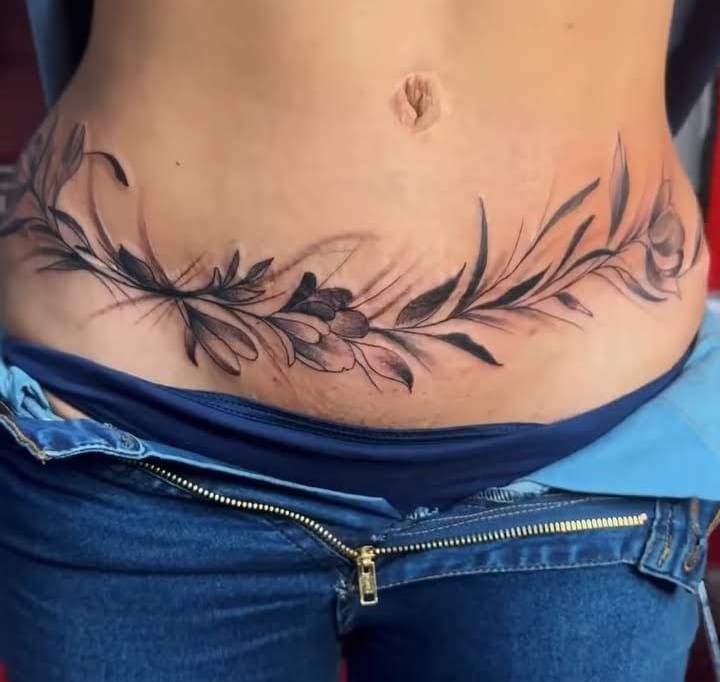
A C-section leaves behind more than a memory of childbirth. It often leaves a lower-abdomen scar that can feel tight, discolored, or simply unwelcome on skin that used to feel entirely your own. At Devil Art Studio in DHA Phase 7, Lahore, we offer specialized C-section scar camouflage tattooing that softens and blends this scar, whether you choose a skin-tone camouflage approach or a delicate decorative design built around the scar line.

Understanding Your C-Section Scar

Most C-section scars run low across the abdomen, often just above the bikini line, and heal into a thin pale or slightly raised line over time. Some scars sit flat and barely noticeable, while others thicken, pucker, or darken depending on skin type, suturing technique, and how the body healed after surgery. Both types can be treated, though the approach we recommend depends on the specific texture and coloring of your scar.

Two Approaches: Camouflage or Decorative Cover

Some clients prefer a pure skin-tone camouflage that blends the scar into the surrounding abdomen with no visible design, while others choose a delicate floral or line-art tattoo that incorporates the scar into the artwork itself, such as a vine or blossom pattern that follows the scar line. Both options are popular among our clients in Lahore, and we help you decide which suits your skin, lifestyle, and personal taste during consultation.

When Is a C-Section Scar Ready for Tattooing?

We recommend waiting at least twelve months after surgery before tattooing over or around a C-section scar, giving the tissue enough time to fully mature and flatten. If you are still breastfeeding or your scar is still changing in texture or color, we may suggest waiting a little longer. A quick assessment during consultation tells us whether your skin is ready. Rushing this timeline is one of the most common mistakes we see, so we would rather ask you to wait a few extra months than tattoo skin that is not fully settled.

Our Consultation and Design Process

Every treatment begins with a private consultation where we examine the scar, discuss your goals, and, for decorative designs, sketch a custom layout that follows the natural curve of your scar and abdomen. For pure camouflage work, we test-match pigment to your surrounding skin tone before committing to the full treatment area. Bringing reference images of designs you like helps us understand your taste, though every final layout is adjusted to fit your unique scar shape and body contour.

What Happens During Treatment

Sessions are performed with the client lying comfortably, and we work carefully along and around the scar tissue, which can absorb pigment differently than surrounding skin. Camouflage work is often completed in one to two sessions, while detailed decorative designs may need a follow-up sitting to complete shading and fine linework.

Aftercare for Abdominal Scar Tattoos

Keep the area clean and lightly moisturized, wear loose clothing over the treated area for the first week, and avoid swimming, saunas, and direct sun for at least three to four weeks. Since this area sits close to waistbands, we recommend soft, low-rise clothing during the healing period to avoid friction on the fresh tattoo. Light exercise can usually resume within a few weeks, but we advise checking with your technician before returning to activities that stretch or rub the abdomen, such as swimming laps or high-intensity core workouts.

Why Choose Devil Art Studio in DHA Lahore

Since 2013, our team has worked with women across Lahore on both decorative tattoos and paramedical scar work, giving us a practical understanding of how postpartum skin heals and how to design around abdominal scarring respectfully. We use sterile, single-use equipment and pigments suited for healed surgical skin, with every session led by a technician trained specifically in scar work. We approach every postpartum body with respect and warmth, understanding that this scar often represents one of the most significant moments of a client’s life.

Frequently Asked Questions

Can keloid or raised C-section scars be treated? Yes, though we assess raised or thickened scars carefully, since pigment can sit differently on this type of tissue.

How soon after a C-section can I book a consultation? You can book a consultation anytime, but we generally wait around twelve months before tattooing to allow full healing.

Will a decorative design draw more attention to the area than camouflage? A well-placed design tends to draw the eye as art rather than scar, which many clients find more flattering than plain skin-tone camouflage.

Book Your Consultation

If your C-section scar is affecting how you feel about your body, our team at Devil Art Studio would love to talk you through your camouflage or decorative options in a private, comfortable setting. Message us on WhatsApp at 0333-2999499 to book your consultation at our DHA Phase 7 studio in Lahore.