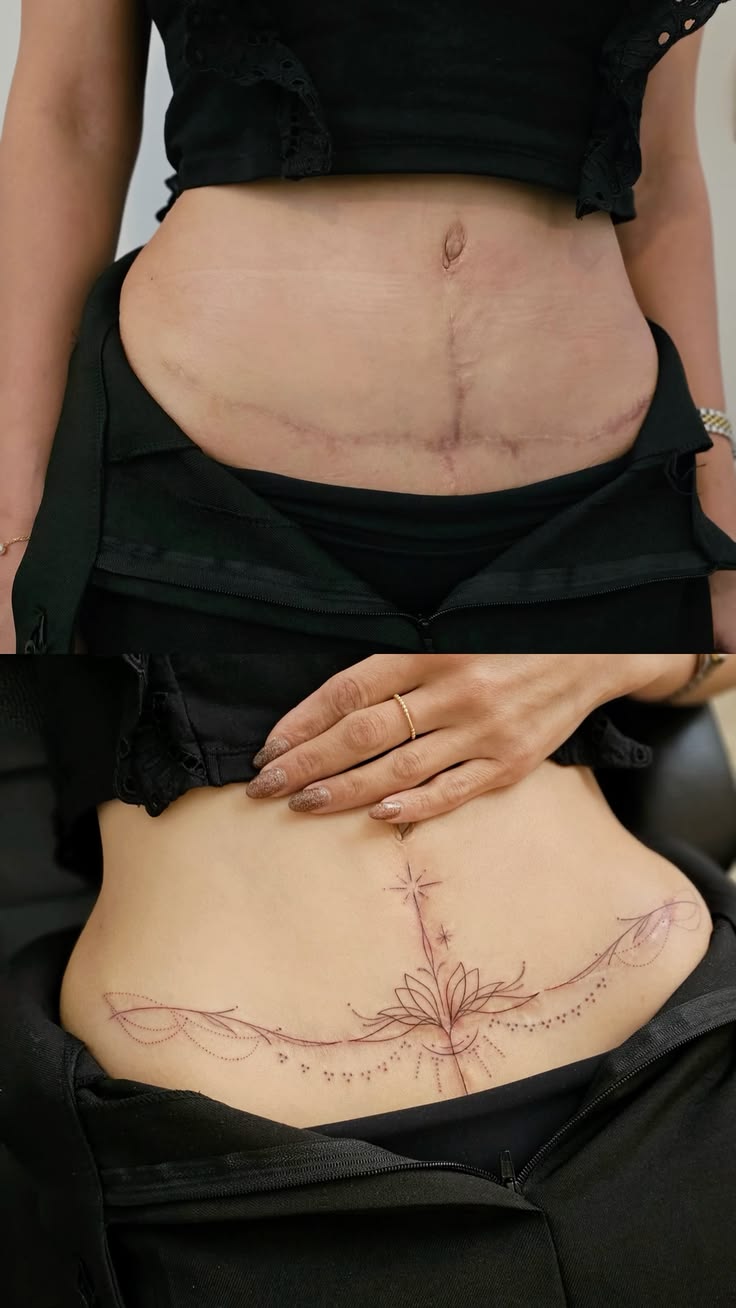
Vitiligo causes patches of skin to lose their natural pigment, and while it’s a medical condition best monitored by a dermatologist, many people also look for a cosmetic option to even out visible patches, especially on the face, hands, or other exposed areas. Vitiligo camouflage tattooing is a paramedical technique that deposits matched pigment into depigmented skin to blend it with the surrounding tone. Here’s how it actually works at Devil Art Studio Lahore.
How Vitiligo Affects the Skin
Vitiligo happens when the cells that produce melanin, the pigment responsible for skin color, stop functioning in certain areas. This creates patches of lighter or white skin that can appear anywhere on the body. It isn’t contagious and isn’t painful, but it can affect confidence, particularly when patches form on visible areas. We always recommend a dermatologist confirms the condition is stable before any cosmetic camouflage work begins.
How Camouflage Tattooing Restores Tone
Vitiligo camouflage uses the same core skill described in our guide to paramedical tattooing: a technician mixes custom pigment to match the client’s surrounding skin tone, then implants it into the depigmented patch at a controlled depth. Done well, the treated area blends into the natural skin rather than standing out as an obvious patch.

Pigment Matching Is the Hard Part
Skin tone isn’t one flat color, it has undertones of red, yellow, and brown that shift slightly across the body and change with the seasons. Getting a camouflage pigment to disappear into surrounding skin means mixing and testing shades before committing to the treatment area, and sometimes adjusting over more than one session as the pigment settles and heals.
What to Expect During a Session
A consultation comes first, where we look at the patch, discuss stability of the vitiligo, and do a small patch test to check how the skin holds pigment and how it heals. Camouflage work is usually done in stages rather than one long session, since pigment can look slightly different once it has fully healed than it does on the day of treatment. Most clients need two to four sessions spaced a few weeks apart to get a close, lasting match.
Is Vitiligo Camouflage Right for You?
Camouflage tattooing works best on stable vitiligo, meaning the patches haven’t spread or changed in shape for a good stretch of time. Active, spreading vitiligo is generally not a good candidate for camouflage, since new patches can appear next to treated skin. If you’re unsure where your vitiligo stands, a dermatologist visit before booking is the right first step. As with any tattoo procedure, it’s worth reading up on how tattoo safety and hygiene standards work before choosing a studio.
Related Paramedical Services at Devil Art
Vitiligo camouflage sits alongside a few other paramedical services we offer in Lahore, including FUE hair transplant scar camouflage, areola tattooing and nipple reconstruction, and scalp micropigmentation. All of them rely on the same careful, custom pigment-matching approach.
If you’re considering vitiligo camouflage tattooing in Lahore, come in for a consultation so we can look at your skin in person, confirm it’s a good candidate for the treatment, and walk you through realistic expectations before booking a session.