SMP in Lahore: How Scalp Micropigmentation Works

Scalp micropigmentation, or SMP, is a technique that deposits tiny dots of pigment into the scalp to mimic the look of a closely shaved head, hairline, or added density between thinning hair. It’s one of the most requested paramedical services at Devil Art Studio, and it works for a wide range of hair loss patterns. Here’s how it actually works.

What SMP Is Used For

SMP is commonly used for pattern baldness, general thinning, alopecia patches, and creating the look of a fuller hairline. Unlike a hair transplant, it doesn’t add real hair, it uses layered dots of pigment to create the visual illusion of hair follicles or a shaved head, which reads as natural at normal viewing distance.

How the Technique Works

SMP relies on the same precise, controlled pigment implantation used across our paramedical work, but with a specialized needle configuration designed to create tiny, follicle-sized dots rather than solid lines or shading. The artist works in layers, building up density gradually and varying dot size and pigment tone so the result doesn’t look flat or uniform, real hair follicles aren’t perfectly even, and neither should the pigment pattern be.

Scalp micropigmentation SMP treatment session in Lahore
A scalp micropigmentation session in progress, building layered pigment dots to mimic natural hair follicles.

SMP vs. FUE Scar Camouflage

SMP covers a broad area to create the look of density or a shaved head, while FUE scar camouflage is a more targeted treatment aimed only at hiding donor-site scarring from a hair transplant. Some clients actually combine both: SMP across the scalp and targeted work over any visible transplant scarring.

What a Session Looks Like

A full SMP treatment is usually done over two to four sessions, spaced a week or more apart. Each pass adds density and refines the pattern, and later sessions let us adjust based on how the pigment has healed. We work with your natural hairline and head shape rather than a generic template, so the result looks like it belongs on you specifically.

Aftercare and Longevity

Healing follows similar principles to standard tattoo aftercare, keeping the area clean, avoiding sun exposure, and not picking at any flaking during the first couple of weeks. SMP pigment fades gradually over several years since it’s implanted more superficially than a traditional tattoo, and most clients come back for a light refresh session periodically to keep the density looking sharp.

Is SMP Safe?

We use single-use needles and sterile technique for every session, the same standards covered in our guide to tattoo safety in Lahore. A consultation beforehand lets us check your scalp condition and confirm SMP is the right fit before any pigment goes in.

Related Paramedical Services

Alongside SMP, we offer paramedical scar camouflage, vitiligo camouflage, and areola tattoo and nipple reconstruction. Book a consultation and we’ll map out a plan based on your hair loss pattern and goals.

Areola Tattoo & Nipple Reconstruction in Lahore | Complete Guide

3D areola tattooing recreates the natural color, shape, and dimensional look of the nipple-areola complex using specialized pigment and shading techniques. It’s most commonly used after mastectomy and breast reconstruction, but it’s also used for areola asymmetry, scarring, or as part of gender-affirming top surgery recovery. Here’s what the process actually involves at Devil Art Studio Lahore.

Who This Procedure Is For

Areola tattooing is typically sought by people who have had breast reconstruction after mastectomy and want the areola and nipple area to look natural again, people with areola scarring or noticeable asymmetry, and people recovering from top surgery who want a finished, realistic result. In every case, we ask clients to be fully healed from any surgery and cleared by their surgeon before starting.

How 3D Areola Tattooing Works

This uses the same custom pigment-matching skill described in our guide to paramedical tattooing, but with an added layer of shading technique. Rather than a flat circle of color, the artist builds subtle light and shadow into the design so the areola appears to have natural dimension and, in many cases, the illusion of a raised nipple even on flat, reconstructed skin.

3D areola tattoo restoration result in Lahore
A 3D areola tattoo restoration result, showing the shading technique used to create natural-looking color and dimension.

The Consultation Comes First

Every case is different, so we start with an in-depth, private consultation. We look at the surgical site, discuss color matching, and talk through size and placement so the final result looks proportional and natural. For clients with one healthy areola, we match the new one to it as closely as possible; for bilateral cases, we work from reference photos and the client’s preferences.

What to Expect During the Session

Sessions are done with extra care around sensitivity and healing status, since reconstructed skin can behave differently than untouched skin. Numbing is used throughout, and most clients describe the sensation as mild pressure rather than sharp pain, since nerve sensitivity is often reduced after reconstructive surgery. Healing follows a similar timeline to a standard tattoo, and we walk every client through aftercare instructions tailored to this more delicate area.

Is It Safe?

Areola tattooing is done with single-use needles and medical-grade pigments, following the same hygiene standards we hold for all paramedical work. If you’re considering this procedure, it’s worth reading about how tattoo safety standards work, and always getting clearance from your surgeon before booking, especially if you’re less than a year post-reconstruction.

Related Paramedical Services

Areola tattooing is one of several paramedical services we offer alongside vitiligo camouflage tattooing, FUE scar camouflage, and scalp micropigmentation. Book a private consultation and we’ll talk you through the process at your own pace.

FUE Hair Transplant Scar Camouflage | Paramedical Tattoo Lahore

FUE (Follicular Unit Extraction) hair transplants leave small, round donor-site scars scattered across the back and sides of the scalp. They’re usually tiny, but on close-cropped hair they can still show as a faint dotted pattern. Scalp scar camouflage tattooing, a paramedical technique, deposits pigment into these dots so they blend into the surrounding scalp and hair. Here’s how it works at Devil Art Studio Lahore.

Why FUE Leaves Scarring in the First Place

Unlike strip harvesting (FUT), which leaves one linear scar, FUE removes individual hair follicles one at a time, leaving hundreds of pinpoint scars spread across the donor area. Most of these heal small and pale, but they can still catch light differently than the surrounding scalp, especially under very short haircuts or bright lighting.

How Camouflage Tattooing Covers the Dots

This uses the same custom pigment-matching approach covered in our guide to paramedical tattooing. A technician mixes pigment to match the client’s scalp tone and hair color, then implants tiny dots of color directly into and around each scar so it visually merges with the surrounding stubble instead of standing out as a bright or pale speck.

Hairline tattoo SMP treatment in progress in Lahore
Fine pigment work along the hairline and scalp, the same precision technique used to camouflage FUE donor-site scarring.

How It Differs From Full Scalp Micropigmentation

FUE scar camouflage is more targeted than full scalp micropigmentation, which recreates the look of a shaved head or added density across a wider area. Scar camouflage focuses only on the donor site, matching pigment closely enough to the surrounding hair and skin that the healed scars stop drawing the eye.

What a Session Looks Like

We start by looking at the scar pattern and hair color in natural light, then test pigment on a small section before committing to the full area. Since scalp skin can heal pigment differently than other areas, most clients need a touch-up session a few weeks after the first pass to fine-tune the match once everything has settled.

Good Candidates for This Treatment

This works well for anyone with healed FUE donor scars who wants to wear their hair very short without the dotted pattern showing. It’s not a substitute for the hair transplant itself, it’s purely cosmetic camouflage for the scarring left behind. If your scars are still healing or your surgeon hasn’t cleared the area, it’s worth waiting until it’s fully settled, and reading about tattoo safety and aftercare basics before booking.

Related Paramedical Work at Devil Art

We offer several related paramedical services in Lahore, including vitiligo camouflage tattooing, areola tattoo and nipple reconstruction, and full scalp micropigmentation. Come in for a consultation and we’ll look at your scarring in person to plan the right approach.

Vitiligo Camouflage Tattoo in Lahore | How the Treatment Works

Vitiligo causes patches of skin to lose their natural pigment, and while it’s a medical condition best monitored by a dermatologist, many people also look for a cosmetic option to even out visible patches, especially on the face, hands, or other exposed areas. Vitiligo camouflage tattooing is a paramedical technique that deposits matched pigment into depigmented skin to blend it with the surrounding tone. Here’s how it actually works at Devil Art Studio Lahore.

How Vitiligo Affects the Skin

Vitiligo happens when the cells that produce melanin, the pigment responsible for skin color, stop functioning in certain areas. This creates patches of lighter or white skin that can appear anywhere on the body. It isn’t contagious and isn’t painful, but it can affect confidence, particularly when patches form on visible areas. We always recommend a dermatologist confirms the condition is stable before any cosmetic camouflage work begins.

How Camouflage Tattooing Restores Tone

Vitiligo camouflage uses the same core skill described in our guide to paramedical tattooing: a technician mixes custom pigment to match the client’s surrounding skin tone, then implants it into the depigmented patch at a controlled depth. Done well, the treated area blends into the natural skin rather than standing out as an obvious patch.

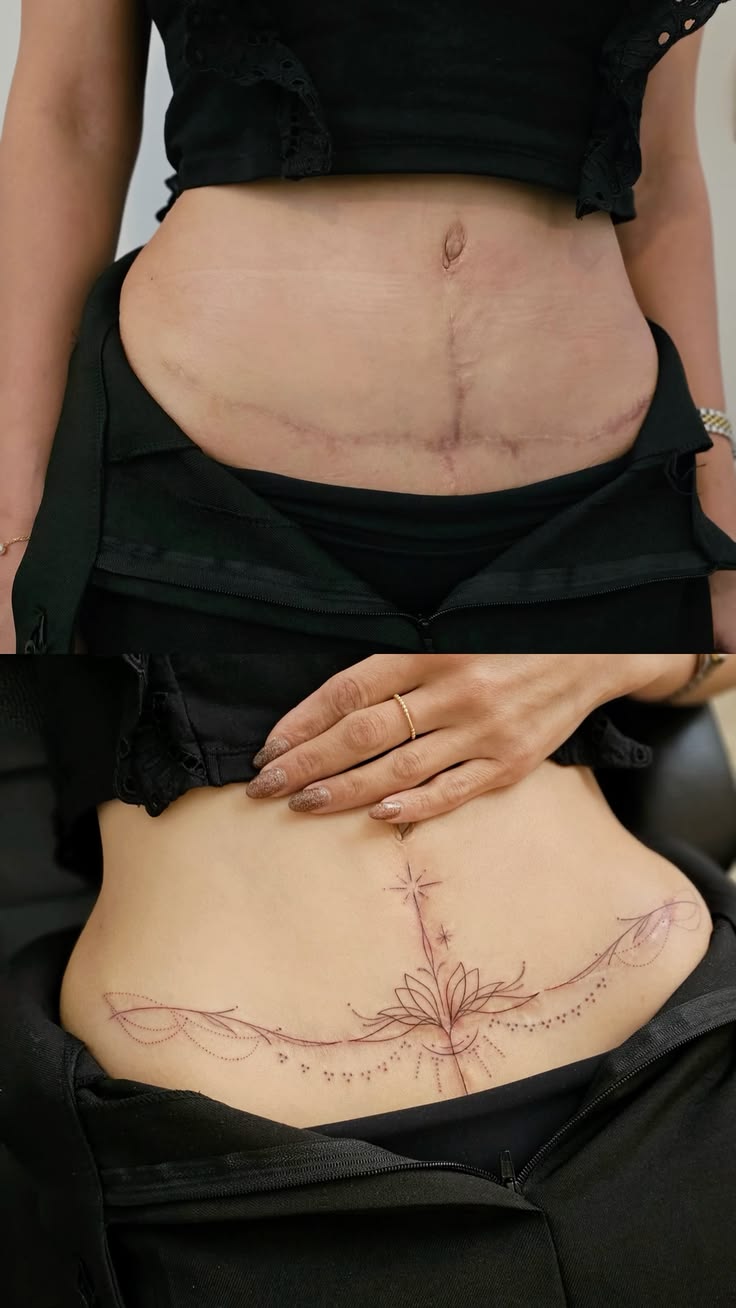
Stretch mark camouflage tattoo result on abdomen in Lahore
This stretch mark camouflage result illustrates the same pigment-matching technique used for vitiligo camouflage, blending altered skin into the surrounding tone.

Pigment Matching Is the Hard Part

Skin tone isn’t one flat color, it has undertones of red, yellow, and brown that shift slightly across the body and change with the seasons. Getting a camouflage pigment to disappear into surrounding skin means mixing and testing shades before committing to the treatment area, and sometimes adjusting over more than one session as the pigment settles and heals.

What to Expect During a Session

A consultation comes first, where we look at the patch, discuss stability of the vitiligo, and do a small patch test to check how the skin holds pigment and how it heals. Camouflage work is usually done in stages rather than one long session, since pigment can look slightly different once it has fully healed than it does on the day of treatment. Most clients need two to four sessions spaced a few weeks apart to get a close, lasting match.

Is Vitiligo Camouflage Right for You?

Camouflage tattooing works best on stable vitiligo, meaning the patches haven’t spread or changed in shape for a good stretch of time. Active, spreading vitiligo is generally not a good candidate for camouflage, since new patches can appear next to treated skin. If you’re unsure where your vitiligo stands, a dermatologist visit before booking is the right first step. As with any tattoo procedure, it’s worth reading up on how tattoo safety and hygiene standards work before choosing a studio.

Related Paramedical Services at Devil Art

Vitiligo camouflage sits alongside a few other paramedical services we offer in Lahore, including FUE hair transplant scar camouflage, areola tattooing and nipple reconstruction, and scalp micropigmentation. All of them rely on the same careful, custom pigment-matching approach.

If you’re considering vitiligo camouflage tattooing in Lahore, come in for a consultation so we can look at your skin in person, confirm it’s a good candidate for the treatment, and walk you through realistic expectations before booking a session.

Paramedical Tattooing in Lahore | Scar & Skin Camouflage Explained

Paramedical tattooing uses the same core skill as decorative tattooing, precise, controlled pigment placement, but applies it to a completely different goal: restoring a natural appearance after scarring, surgery, or skin changes. Here’s how it actually works at Devil Art Studio Lahore.

What Paramedical Tattooing Actually Covers

This is a broad category that includes scar camouflage, stretch mark camouflage, areola restoration after surgery, scalp micropigmentation for hair loss, and hairline camouflage after FUE hair transplants. Each application uses different pigments and techniques, but all rely on matching skin tone precisely enough that the result reads as natural rather than obviously tattooed.

How Scar Camouflage Works

Scar tissue behaves differently from surrounding skin, it can be less elastic, take pigment differently, and sit at a slightly different texture. A skilled paramedical artist accounts for this by layering pigment carefully and testing colour match before committing to the full area, often over more than one session.

Scar camouflage before and after result at Devil Art Studio Lahore
A scar camouflage result showing how carefully matched pigment can significantly reduce the visibility of scar tissue.

Who Paramedical Tattooing Helps

Clients come to us after C-sections, surgical procedures, accidents, burns, and stretch marks from pregnancy or weight change. It’s also increasingly requested after hair transplant surgery and by clients dealing with vitiligo, both of which we cover in dedicated guides on FUE scar camouflage and vitiligo camouflage tattooing.

Why Precision Matters More Here Than in Decorative Work

There’s very little room for error in paramedical work, an uneven pigment match is far more noticeable than an uneven line in a decorative piece, since the entire goal is blending in rather than standing out. This is why experience with skin tone matching specifically, not just tattooing generally, matters so much for this category of work.

What to Expect From a Consultation

We assess the affected area, discuss realistic expectations, and always test pigment match before committing to full coverage. Results vary based on scar texture, skin tone, and how the area has healed, we’ll always give you an honest read on what’s achievable before you book.

Areas We Specialise In

Beyond general scar camouflage, we also offer areola tattooing and nipple reconstruction and scalp micropigmentation for hair loss, both specialised extensions of the same paramedical skill set.

Book a Paramedical Consultation

Every case is different, so results are best discussed in person. Message Devil Art Studio on WhatsApp at 0333-2999499 to arrange a confidential consultation.