Best Tattoo Studio in Lahore — Why Clients Choose Devil Art Studio

Lahore has no shortage of places offering to put a needle to your skin, but there is a real difference between a shop that tattoos and a studio that is genuinely trusted with permanent art. Clients who search for the best tattoo studio in Lahore are usually looking for the same things: an artist who listens, a space that feels clean and private, and a result that still looks good ten years later. That is the standard Devil Art Studio was built around.

What Separates a Good Studio From a Truly Great One

Anyone can buy a tattoo machine. What cannot be bought overnight is technique, an eye for proportion, and the discipline to say no to a design that will not age well on skin. The best studios treat every tattoo as a piece of applied art rather than a transaction, which means more time spent on the drawing board before the needle ever touches you.

Appointments Only — Every Session Gets Full Attention

Devil Art Studio works strictly by appointment. There is no walk-in queue, no rushed consultation squeezed between other clients. When you book a session, that time belongs to you and your design alone, from the first sketch to the final wipe-down.

13 Years of International Tattooing Experience

Our lead artist brings 13 years of international tattooing experience into every custom piece, combining global technique standards with an understanding of how different skin tones and placements hold ink over time. That experience shows in clean linework, even saturation, and shading that does not blow out after healing.

Hygiene and Safety You Can Actually See

Sterilised equipment, single-use disposable needles, and strict safety protocols are non-negotiable at our studio. If a studio cannot clearly explain its hygiene process when you ask, that is a reason to keep looking.

Custom Artwork, Never Copied From a Wall

Every tattoo and piercing at Devil Art Studio is designed around the client, not picked off a printed sheet. That means your consultation actually shapes the final design instead of choosing from a limited menu.

A Private Studio in DHA Phase 7, Lahore

Our studio is located in Y Block, DHA Phase 7, Lahore — easy to reach, discreet, and comfortable for clients who prefer privacy over a busy shopfront. You can see the full range of what we do on our homepage.

Book Your Session

If you are comparing studios in Lahore, message us directly on WhatsApp: 0333-2999499 to discuss your idea. We are open Monday to Saturday, 12:00 PM to 10:00 PM, and closed on Sundays. You can also browse more of our studio and artistry guides before you decide.

Tattoo Price in Lahore: Complete 2026 Guide

“How much will this cost?” is almost always the second question a client asks, right after “does it hurt?” This 2026 guide breaks down tattoo price in Lahore in practical terms, so you can plan a realistic budget before you ever sit in the chair.

Size Is the Starting Point, Not the Whole Story

A small wrist symbol and a full forearm piece are priced very differently, but size alone does not decide the final number. A tiny design packed with fine detail can take longer than a larger, simpler one — which is why studios quote based on estimated time and complexity, not just the space it occupies.

Style Changes the Math

Fine line and minimalist work tends to sit at the more accessible end of pricing because sessions are shorter. Realism, portraiture, and detailed black and grey shading cost more because they demand slower, more deliberate work and often multiple sessions to build up depth correctly.

Placement Matters More Than People Expect

Ribs, fingers, and feet are slower and more delicate to work on than a shoulder or thigh, and that extra care is usually reflected in the price. If your dream placement is a difficult one, ask your artist how that affects the quote before you commit.

What a Fair Quote Should Include

A transparent studio tells you upfront whether the price covers touch-ups, numbing cream, and aftercare products, or whether those are billed separately. Ask this before booking so there are no surprises on the day.

Why the Cheapest Option Rarely Wins Long-Term

A tattoo is permanent. Choosing purely on price often means compromising on hygiene, ink quality, or artist experience — and a poorly executed tattoo usually costs more to fix later than it would have cost to do properly the first time.

Getting an Accurate Quote for Your Design

The only way to get a real number is a consultation. Bring reference images and be open about your budget — a good artist will tell you honestly what is achievable. For a closer look at what drives pricing decisions, see our guide on what determines tattoo pricing.

Book a Consultation

Devil Art Studio quotes clearly and honestly before any work begins. Message us on WhatsApp: 0333-2999499 with your idea and size, and we will walk you through the real cost — no vague estimates. Browse more pricing breakdowns in our Tattoo Prices section.

A Day Inside Devil Art Tattoo Studio Lahore | Behind the Scenes

Ever wondered what actually happens behind the counter at a tattoo studio before, during, and after your appointment? Here’s a look at what a typical day looks like inside Devil Art Studio Lahore, from the first coffee of the morning to the last client walking out with fresh ink.

Morning: Setup Before the First Client

Before any client walks in, the day starts with sterilization and setup, wiping down stations, laying out single-use needles and fresh ink caps, and checking equipment. This routine happens every single day regardless of how busy the schedule looks, because hygiene isn’t something we cut corners on. We touched on why this matters in our guide to tattoo safety standards.

Consultations: Where Every Tattoo Actually Starts

Most days include a mix of walk-in consultations and scheduled design discussions. This is where an artist and client talk through placement, size, and style, sometimes referencing our trending design styles for inspiration, sometimes starting from a completely custom idea the client already has in mind.

Custom portrait tattoo design by a tattoo artist at Devil Art Studio, Lahore
An artist working through a custom design during a consultation before the tattooing begins.

The Tattooing Itself

Once a design is finalized and stenciled onto the skin, the actual tattooing can take anywhere from under an hour for a small piece to several hours for larger custom work. Artists take breaks to check in with clients, especially first-timers who might be nervous, we cover what that experience usually feels like in our guide on tattoo pain.

Memento Mori tattoo with Creation of Adam hands by Devil Art Studio Lahore
A finished custom piece, the kind of detailed work that can take a full session or more to complete.

A Mix of Styles, Every Day

No two days look the same style-wise. One session might be fine-line minimalist work, the next a bold tribal armband, and another a paramedical camouflage appointment. That variety is part of what keeps the studio interesting, and part of why we built out artists who specialize across different styles rather than one house look.

Bold tribal armband tattoo by Devil Art Studio Lahore
A bold tribal armband piece, one of many styles worked on in a typical week at the studio.

After the Needle Stops

Every session ends with a walkthrough of aftercare, cleaning instructions, what’s normal during healing, and what isn’t, following the same guidance in our tattoo aftercare guide. We’d rather spend an extra few minutes here than have a client run into an avoidable problem a week later, the kind we cover in our list of common tattoo mistakes.

What Makes the Day Worth It

At the end of most days, what stands out isn’t any single tattoo, it’s the range of people who come through: someone getting their very first small piece, someone finishing a multi-session sleeve, someone coming in for paramedical camouflage work that means something deeply personal. That mix is a big part of what makes Devil Art different, and if you want to see even more of it, check out our studio vlog.

If you’re curious to see it in person, walk-ins are welcome, or book a consultation and come see a day in the studio for yourself.

10 Tattoo Mistakes You Should Avoid Before Getting Inked

A tattoo is meant to last, which makes the decisions leading up to it worth slowing down for. Most regrets we see at the studio trace back to a handful of avoidable mistakes, rushing the design, picking the wrong artist, or skipping aftercare. Here are ten of the most common ones, and how to steer around them.

1. Choosing a Studio Based on Price Alone

The cheapest quote is rarely the safest or best-looking option. Hygiene standards, artist experience, and quality of ink all cost money, and cutting corners on any of them shows up in the healed result. Our tattoo cost guide breaks down what actually goes into pricing so you can compare studios fairly.

2. Not Researching the Studio or Artist

Every artist has a style they’re strongest in, realism, blackwork, fine line, and so on. Booking with whoever’s available rather than whoever fits your design idea often leads to a result that technically works but doesn’t feel like what you pictured. Look through portfolios first, our guide on what makes a studio worth choosing covers what to look for.

3. Skipping the Consultation

Walking in and getting inked the same day, with no discussion of placement, sizing, or how the design will age on your specific skin, is how avoidable regrets happen. A proper consultation catches problems before they’re permanent.

4. Picking a Design That’s Trendy, Not Personal

Trend-driven tattoos can look dated within a few years. Designs with real personal meaning, or classic styles that don’t chase a specific trend, tend to age much better both visually and emotionally.

5. Underestimating Placement

Skin over joints, ribs, and other high-movement or high-friction areas ages tattoos differently than flatter areas like the forearm or thigh. A good artist will talk you through how your chosen placement affects both healing and long-term appearance.

6. Getting Inked Without Understanding the Pain Involved

Going in with no idea what to expect can turn a manageable session into an overwhelming one. Reading up on what the pain actually feels like beforehand helps you prepare mentally and physically.

Healed tattoo result showing the importance of proper aftercare and technique
A cleanly healed result, the kind of outcome careful planning and proper aftercare make possible.

7. Ignoring Aftercare Instructions

This is probably the single biggest cause of avoidable problems: infection, faded patches, and blown-out lines almost always trace back to poor aftercare. Following our tattoo aftercare guide closely for the first few weeks makes a real difference in how the finished tattoo looks a year later.

8. Making Impulsive Decisions

Getting a name, a spontaneous design, or anything permanent on a whim is one of the most common sources of later regret, and a big reason people eventually look into removal or cover-up options. Sitting with a design idea for at least a few weeks before booking helps confirm it’s something you’ll still want years from now.

9. Not Asking About Hygiene Practices

A trustworthy studio should be transparent about single-use needles, sterilization, and clean workspace practices without you having to press for answers. If a studio is vague about this, treat it as a warning sign.

10. Comparing Your Healing to Someone Else’s

Everyone’s skin heals differently based on placement, skin type, and how well aftercare is followed. Panicking because your tattoo looks different at day five than a friend’s did is usually unnecessary, if you’re following aftercare and something genuinely seems off, ask your artist rather than guessing.

Getting a tattoo you’ll love for years comes down to slowing down on the decisions that matter: the studio, the artist, the design, and the aftercare. Want to see how we approach all of this in practice? Take a look inside Devil Art Studio.

Tattoo Removal in Lahore: What Are Your Options?

Not every tattoo stays wanted forever. Names change, styles change, or a tattoo just didn’t turn out the way you hoped. If you’re looking into tattoo removal in Lahore, there are really two main paths: laser removal, which fades the tattoo over multiple sessions, or a cover-up, which uses new artwork to transform it into something you’ll actually love. Here’s how to think about each option.

Option 1: Laser Tattoo Removal

Laser removal breaks down tattoo pigment using targeted light pulses, letting the body gradually clear it away over several sessions spaced weeks apart. It’s the right choice when you want the area clear of ink entirely, whether that’s to prepare for a fresh design later or simply to remove it for good. Results depend on ink color, depth, and how the skin responds, so a consultation is the only way to get a realistic timeline for your specific tattoo.

Option 2: Cover-Up Tattooing

A cover-up uses new, strategically designed artwork to fully disguise an old tattoo, often in a single session or two rather than the multi-month process of laser removal. Bold blackwork, tribal patterns, and larger-scale designs tend to work especially well for covering older or darker tattoos, since they give the artist enough visual weight to work with.

Bold tribal blackwork tattoo, a style often used for tattoo cover-ups at Devil Art Studio, Lahore
Bold blackwork and tribal-style designs are among the most effective styles for covering an unwanted tattoo.

How to Decide Between Them

If you never want ink in that spot again, laser removal is the way to go. If you’d rather turn the old tattoo into something new and meaningful, and you’re open to a larger or darker design, a cover-up is usually faster and can look genuinely great when planned well. Some clients combine both approaches, doing a round or two of laser fading first to make a difficult cover-up easier to execute.

Chest tattoo cover-up with lion and feather design by Devil Art Studio Lahore
A chest cover-up combining a lion and feather design, planned around the placement and size of the original tattoo.

What a Cover-Up Consultation Involves

We start by looking at the existing tattoo in person, its color saturation, age, and size, then sketch design directions that can realistically sit over it. Not every design idea will work over every old tattoo, so we’re upfront about what will and won’t cover cleanly before any needle touches skin.

Aftercare Matters Either Way

Whether you choose laser sessions or a full cover-up, proper aftercare affects how well the area heals and how the final result looks. Our tattoo aftercare guide covers the basics that apply to any fresh tattoo work, including cover-ups. And if you’re weighing whether tattooing over an area is safe for your skin, our guide on tattoo safety is worth a read too.

Avoiding Regret Next Time

If this isn’t your first tattoo you’ve reconsidered, it might help to read common tattoo mistakes to avoid before your next piece, so your next design is one you’ll want to keep.

Come in for a free consultation and we’ll give you an honest read on whether laser removal, a cover-up, or a mix of both is the right move for your specific tattoo.

SMP in Lahore: How Scalp Micropigmentation Works

Scalp micropigmentation, or SMP, is a technique that deposits tiny dots of pigment into the scalp to mimic the look of a closely shaved head, hairline, or added density between thinning hair. It’s one of the most requested paramedical services at Devil Art Studio, and it works for a wide range of hair loss patterns. Here’s how it actually works.

What SMP Is Used For

SMP is commonly used for pattern baldness, general thinning, alopecia patches, and creating the look of a fuller hairline. Unlike a hair transplant, it doesn’t add real hair, it uses layered dots of pigment to create the visual illusion of hair follicles or a shaved head, which reads as natural at normal viewing distance.

How the Technique Works

SMP relies on the same precise, controlled pigment implantation used across our paramedical work, but with a specialized needle configuration designed to create tiny, follicle-sized dots rather than solid lines or shading. The artist works in layers, building up density gradually and varying dot size and pigment tone so the result doesn’t look flat or uniform, real hair follicles aren’t perfectly even, and neither should the pigment pattern be.

Scalp micropigmentation SMP treatment session in Lahore
A scalp micropigmentation session in progress, building layered pigment dots to mimic natural hair follicles.

SMP vs. FUE Scar Camouflage

SMP covers a broad area to create the look of density or a shaved head, while FUE scar camouflage is a more targeted treatment aimed only at hiding donor-site scarring from a hair transplant. Some clients actually combine both: SMP across the scalp and targeted work over any visible transplant scarring.

What a Session Looks Like

A full SMP treatment is usually done over two to four sessions, spaced a week or more apart. Each pass adds density and refines the pattern, and later sessions let us adjust based on how the pigment has healed. We work with your natural hairline and head shape rather than a generic template, so the result looks like it belongs on you specifically.

Aftercare and Longevity

Healing follows similar principles to standard tattoo aftercare, keeping the area clean, avoiding sun exposure, and not picking at any flaking during the first couple of weeks. SMP pigment fades gradually over several years since it’s implanted more superficially than a traditional tattoo, and most clients come back for a light refresh session periodically to keep the density looking sharp.

Is SMP Safe?

We use single-use needles and sterile technique for every session, the same standards covered in our guide to tattoo safety in Lahore. A consultation beforehand lets us check your scalp condition and confirm SMP is the right fit before any pigment goes in.

Related Paramedical Services

Alongside SMP, we offer paramedical scar camouflage, vitiligo camouflage, and areola tattoo and nipple reconstruction. Book a consultation and we’ll map out a plan based on your hair loss pattern and goals.

Areola Tattoo & Nipple Reconstruction in Lahore | Complete Guide

3D areola tattooing recreates the natural color, shape, and dimensional look of the nipple-areola complex using specialized pigment and shading techniques. It’s most commonly used after mastectomy and breast reconstruction, but it’s also used for areola asymmetry, scarring, or as part of gender-affirming top surgery recovery. Here’s what the process actually involves at Devil Art Studio Lahore.

Who This Procedure Is For

Areola tattooing is typically sought by people who have had breast reconstruction after mastectomy and want the areola and nipple area to look natural again, people with areola scarring or noticeable asymmetry, and people recovering from top surgery who want a finished, realistic result. In every case, we ask clients to be fully healed from any surgery and cleared by their surgeon before starting.

How 3D Areola Tattooing Works

This uses the same custom pigment-matching skill described in our guide to paramedical tattooing, but with an added layer of shading technique. Rather than a flat circle of color, the artist builds subtle light and shadow into the design so the areola appears to have natural dimension and, in many cases, the illusion of a raised nipple even on flat, reconstructed skin.

3D areola tattoo restoration result in Lahore
A 3D areola tattoo restoration result, showing the shading technique used to create natural-looking color and dimension.

The Consultation Comes First

Every case is different, so we start with an in-depth, private consultation. We look at the surgical site, discuss color matching, and talk through size and placement so the final result looks proportional and natural. For clients with one healthy areola, we match the new one to it as closely as possible; for bilateral cases, we work from reference photos and the client’s preferences.

What to Expect During the Session

Sessions are done with extra care around sensitivity and healing status, since reconstructed skin can behave differently than untouched skin. Numbing is used throughout, and most clients describe the sensation as mild pressure rather than sharp pain, since nerve sensitivity is often reduced after reconstructive surgery. Healing follows a similar timeline to a standard tattoo, and we walk every client through aftercare instructions tailored to this more delicate area.

Is It Safe?

Areola tattooing is done with single-use needles and medical-grade pigments, following the same hygiene standards we hold for all paramedical work. If you’re considering this procedure, it’s worth reading about how tattoo safety standards work, and always getting clearance from your surgeon before booking, especially if you’re less than a year post-reconstruction.

Related Paramedical Services

Areola tattooing is one of several paramedical services we offer alongside vitiligo camouflage tattooing, FUE scar camouflage, and scalp micropigmentation. Book a private consultation and we’ll talk you through the process at your own pace.

FUE Hair Transplant Scar Camouflage | Paramedical Tattoo Lahore

FUE (Follicular Unit Extraction) hair transplants leave small, round donor-site scars scattered across the back and sides of the scalp. They’re usually tiny, but on close-cropped hair they can still show as a faint dotted pattern. Scalp scar camouflage tattooing, a paramedical technique, deposits pigment into these dots so they blend into the surrounding scalp and hair. Here’s how it works at Devil Art Studio Lahore.

Why FUE Leaves Scarring in the First Place

Unlike strip harvesting (FUT), which leaves one linear scar, FUE removes individual hair follicles one at a time, leaving hundreds of pinpoint scars spread across the donor area. Most of these heal small and pale, but they can still catch light differently than the surrounding scalp, especially under very short haircuts or bright lighting.

How Camouflage Tattooing Covers the Dots

This uses the same custom pigment-matching approach covered in our guide to paramedical tattooing. A technician mixes pigment to match the client’s scalp tone and hair color, then implants tiny dots of color directly into and around each scar so it visually merges with the surrounding stubble instead of standing out as a bright or pale speck.

Hairline tattoo SMP treatment in progress in Lahore
Fine pigment work along the hairline and scalp, the same precision technique used to camouflage FUE donor-site scarring.

How It Differs From Full Scalp Micropigmentation

FUE scar camouflage is more targeted than full scalp micropigmentation, which recreates the look of a shaved head or added density across a wider area. Scar camouflage focuses only on the donor site, matching pigment closely enough to the surrounding hair and skin that the healed scars stop drawing the eye.

What a Session Looks Like

We start by looking at the scar pattern and hair color in natural light, then test pigment on a small section before committing to the full area. Since scalp skin can heal pigment differently than other areas, most clients need a touch-up session a few weeks after the first pass to fine-tune the match once everything has settled.

Good Candidates for This Treatment

This works well for anyone with healed FUE donor scars who wants to wear their hair very short without the dotted pattern showing. It’s not a substitute for the hair transplant itself, it’s purely cosmetic camouflage for the scarring left behind. If your scars are still healing or your surgeon hasn’t cleared the area, it’s worth waiting until it’s fully settled, and reading about tattoo safety and aftercare basics before booking.

Related Paramedical Work at Devil Art

We offer several related paramedical services in Lahore, including vitiligo camouflage tattooing, areola tattoo and nipple reconstruction, and full scalp micropigmentation. Come in for a consultation and we’ll look at your scarring in person to plan the right approach.

Vitiligo Camouflage Tattoo in Lahore | How the Treatment Works

Vitiligo causes patches of skin to lose their natural pigment, and while it’s a medical condition best monitored by a dermatologist, many people also look for a cosmetic option to even out visible patches, especially on the face, hands, or other exposed areas. Vitiligo camouflage tattooing is a paramedical technique that deposits matched pigment into depigmented skin to blend it with the surrounding tone. Here’s how it actually works at Devil Art Studio Lahore.

How Vitiligo Affects the Skin

Vitiligo happens when the cells that produce melanin, the pigment responsible for skin color, stop functioning in certain areas. This creates patches of lighter or white skin that can appear anywhere on the body. It isn’t contagious and isn’t painful, but it can affect confidence, particularly when patches form on visible areas. We always recommend a dermatologist confirms the condition is stable before any cosmetic camouflage work begins.

How Camouflage Tattooing Restores Tone

Vitiligo camouflage uses the same core skill described in our guide to paramedical tattooing: a technician mixes custom pigment to match the client’s surrounding skin tone, then implants it into the depigmented patch at a controlled depth. Done well, the treated area blends into the natural skin rather than standing out as an obvious patch.

Stretch mark camouflage tattoo result on abdomen in Lahore
This stretch mark camouflage result illustrates the same pigment-matching technique used for vitiligo camouflage, blending altered skin into the surrounding tone.

Pigment Matching Is the Hard Part

Skin tone isn’t one flat color, it has undertones of red, yellow, and brown that shift slightly across the body and change with the seasons. Getting a camouflage pigment to disappear into surrounding skin means mixing and testing shades before committing to the treatment area, and sometimes adjusting over more than one session as the pigment settles and heals.

What to Expect During a Session

A consultation comes first, where we look at the patch, discuss stability of the vitiligo, and do a small patch test to check how the skin holds pigment and how it heals. Camouflage work is usually done in stages rather than one long session, since pigment can look slightly different once it has fully healed than it does on the day of treatment. Most clients need two to four sessions spaced a few weeks apart to get a close, lasting match.

Is Vitiligo Camouflage Right for You?

Camouflage tattooing works best on stable vitiligo, meaning the patches haven’t spread or changed in shape for a good stretch of time. Active, spreading vitiligo is generally not a good candidate for camouflage, since new patches can appear next to treated skin. If you’re unsure where your vitiligo stands, a dermatologist visit before booking is the right first step. As with any tattoo procedure, it’s worth reading up on how tattoo safety and hygiene standards work before choosing a studio.

Related Paramedical Services at Devil Art

Vitiligo camouflage sits alongside a few other paramedical services we offer in Lahore, including FUE hair transplant scar camouflage, areola tattooing and nipple reconstruction, and scalp micropigmentation. All of them rely on the same careful, custom pigment-matching approach.

If you’re considering vitiligo camouflage tattooing in Lahore, come in for a consultation so we can look at your skin in person, confirm it’s a good candidate for the treatment, and walk you through realistic expectations before booking a session.

Paramedical Tattooing in Lahore | Scar & Skin Camouflage Explained

Paramedical tattooing uses the same core skill as decorative tattooing, precise, controlled pigment placement, but applies it to a completely different goal: restoring a natural appearance after scarring, surgery, or skin changes. Here’s how it actually works at Devil Art Studio Lahore.

What Paramedical Tattooing Actually Covers

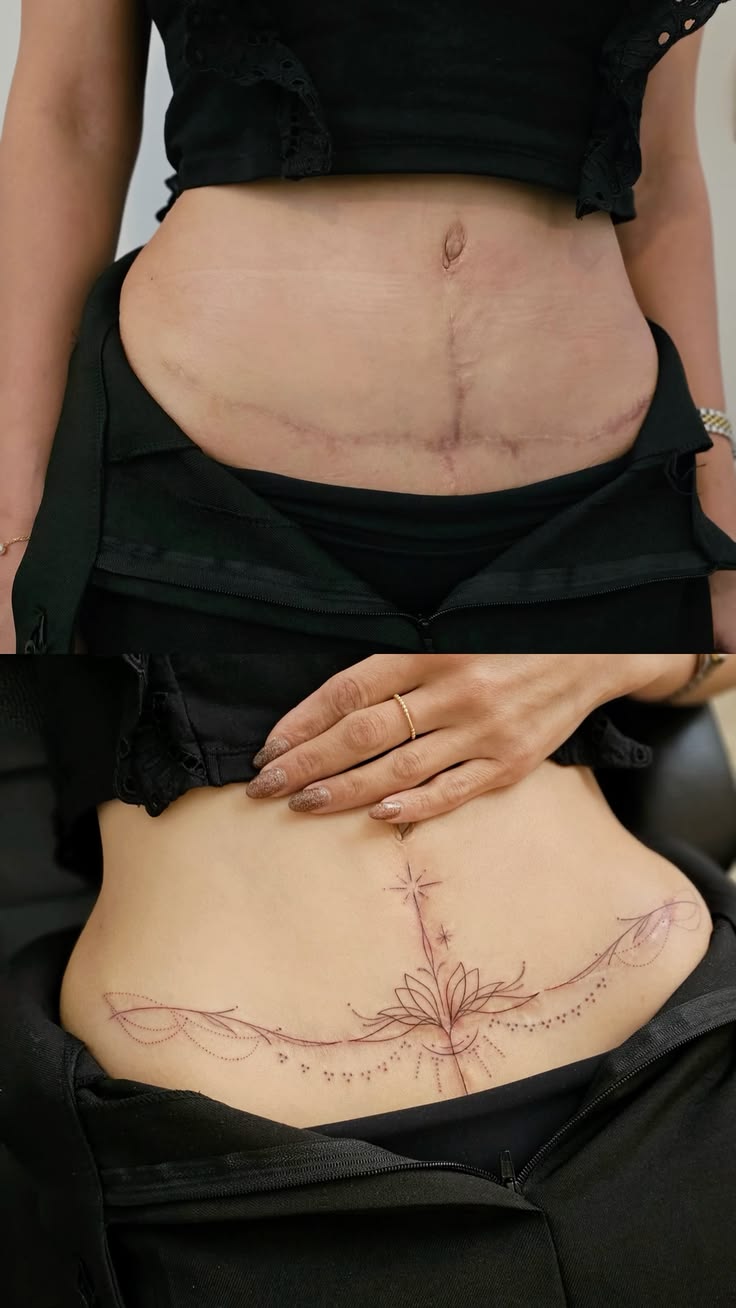
This is a broad category that includes scar camouflage, stretch mark camouflage, areola restoration after surgery, scalp micropigmentation for hair loss, and hairline camouflage after FUE hair transplants. Each application uses different pigments and techniques, but all rely on matching skin tone precisely enough that the result reads as natural rather than obviously tattooed.

How Scar Camouflage Works

Scar tissue behaves differently from surrounding skin, it can be less elastic, take pigment differently, and sit at a slightly different texture. A skilled paramedical artist accounts for this by layering pigment carefully and testing colour match before committing to the full area, often over more than one session.

Scar camouflage before and after result at Devil Art Studio Lahore
A scar camouflage result showing how carefully matched pigment can significantly reduce the visibility of scar tissue.

Who Paramedical Tattooing Helps

Clients come to us after C-sections, surgical procedures, accidents, burns, and stretch marks from pregnancy or weight change. It’s also increasingly requested after hair transplant surgery and by clients dealing with vitiligo, both of which we cover in dedicated guides on FUE scar camouflage and vitiligo camouflage tattooing.

Why Precision Matters More Here Than in Decorative Work

There’s very little room for error in paramedical work, an uneven pigment match is far more noticeable than an uneven line in a decorative piece, since the entire goal is blending in rather than standing out. This is why experience with skin tone matching specifically, not just tattooing generally, matters so much for this category of work.

What to Expect From a Consultation

We assess the affected area, discuss realistic expectations, and always test pigment match before committing to full coverage. Results vary based on scar texture, skin tone, and how the area has healed, we’ll always give you an honest read on what’s achievable before you book.

Areas We Specialise In

Beyond general scar camouflage, we also offer areola tattooing and nipple reconstruction and scalp micropigmentation for hair loss, both specialised extensions of the same paramedical skill set.

Book a Paramedical Consultation

Every case is different, so results are best discussed in person. Message Devil Art Studio on WhatsApp at 0333-2999499 to arrange a confidential consultation.